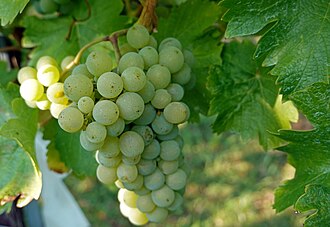
Tag: White grapes

White grape profiles. Origin, ampelography, viticulture notes and quick facts. Filter by country to explore regional styles.

  • GRECO

    Ampelique Grape Profile

    Greco

    Origin, viticulture, morphology, wine styles, and place.

    Greco is a white grape variety from southern Italy, most closely associated with Campania, Irpinia, and the mineral white wines of Greco di Tufo DOCG. It is a white grape with the shoulders of a red: firm, golden, savoury, volcanic, and built around grip rather than softness.

    Greco matters because it expands the idea of what Italian white wine can be. It is not simply crisp, floral, or easy. At its best, Greco is structured, phenolic, mineral, age-worthy, and deeply tied to the volcanic and calcareous landscapes of inland Campania. It can show yellow fruit, citrus peel, herbs, almond, salt, smoke, and a firm bitter line that makes it one of southern Italy’s most serious white grapes.

    Grape personality

    Firm, mineral, golden, and quietly severe. Greco is not a soft white grape. It brings density, bitter citrus, almond skin, herbs, yellow fruit, volcanic tension, and a tactile structure that can make the wine feel almost carved rather than poured.

    Best moment

    A cool glass with seafood, herbs, lemon, and mountain air in mind. Greco feels most itself with shellfish, grilled fish, smoked mozzarella, bitter greens, or southern Italian dishes where salt, citrus, and texture matter.


    Greco carries the hard light of Irpinia: lemon peel, yellow fruit, stone, herbs, salt, and the quiet pressure of volcanic ground beneath the vine.


    Origin & history

    A southern Italian name with Greek memory

    Greco’s name points toward Greek settlement and ancient southern Italian wine culture, but its modern identity is most clearly Campanian. In Irpinia, especially around Tufo and nearby hill towns, Greco has become the basis for one of Italy’s most distinctive structured white wines: Greco di Tufo.

    Read more →

    The word Greco can be confusing because several Italian grapes have historically carried “Greek” names. In this profile, Greco refers primarily to the white Campanian variety behind Greco di Tufo, not every grape called Greco or Greco Bianco in southern Italy.

    Its fame rests on a rare combination: density without obvious sweetness, freshness without lightness, and a mineral, smoky, sometimes sulphurous edge linked to the soils and slopes of Irpinia. Greco di Tufo became DOCG in 2003 and remains the grape’s most important appellation identity.

    Greco is therefore both ancient in feeling and precise in modern expression. Its best wines speak less of easy fruit and more of stone, skin, salt, herb, and time.


    Ampelography

    Golden berries, thick skins, and serious texture

    Greco’s physical character helps explain its wine style. It is a white grape capable of deep yellow colour, firm extract, and a slightly phenolic grip. The berries can give wines that feel full-bodied, oily, structured, and almost tannic when compared with lighter Italian whites.

    Read more →

    Greco does not rely on explosive floral perfume. Its identity is more tactile and mineral. The skins can bring structure and bitterness, while the fruit profile often moves through yellow apple, pear, peach, citrus peel, herbs, and almond.

    This is one reason Greco can age better than many drinkers expect from white wine. With bottle time, the fruit can turn more honeyed, waxy, smoky, and nutty, while the underlying mineral tension remains.

    • Leaf: vigorous canopy that needs good exposure and airflow to preserve precision.
    • Bunch: generally compact enough to require attention in humid conditions, especially near harvest.
    • Berry: white to golden, with skins that can contribute grip, colour, and bitter-savoury detail.
    • Impression: dense and structured for a white grape, more mineral and tactile than simply aromatic.

    Viticulture notes

    A grape that needs hills, air, and discipline

    Greco performs best where ripeness, acidity, and phenolic structure can develop together. In Irpinia, altitude, slopes, volcanic material, limestone, and marked day-night temperature differences help give the grape its combination of body, freshness, and mineral definition.

    Read more →

    If harvested too early, Greco can feel hard and bitter. If harvested too late, it may become heavy and lose the tension that makes it compelling. Good growers aim for a narrow balance: ripe fruit, firm skins, preserved acidity, and no excess softness.

    Canopy management is important because Greco needs enough light to ripen its skins and enough shade to avoid aromatic dullness or sunburn. In volcanic and calcareous soils, water balance also matters: stress can sharpen the wine, but too much stress can reduce fruit detail.

    Greco is therefore not a grape for lazy abundance. It rewards careful picking, precise pressing, and cellar work that respects its natural structure instead of trying to make it light and simple.


    Wine styles & vinification

    Still, riserva, sparkling, and age-worthy whites

    Greco is best known for dry white wines, especially Greco di Tufo, but it can also appear as riserva and metodo classico sparkling wine. The still wines are often dry, firm, full-bodied, mineral, and savoury, with a structure that can support several years of bottle development.

    Read more →

    In most serious examples, winemaking avoids excessive aromatic decoration. Stainless steel can preserve tension and mineral detail, while careful lees work may add breadth. Oak is possible, but too much can blunt the grape’s stony, bitter-citrus identity.

    Greco di Tufo DOCG requires Greco as the dominant grape, with Coda di Volpe allowed in smaller proportions. The appellation’s personality is shaped by tuff, volcanic ash soils, hills, and a tradition of wines that feel more structured than immediately charming.

    With age, Greco can develop honey, beeswax, smoke, dried herbs, almond, and a more savoury mineral depth. It is one of the Italian whites that can reward patience when produced from strong sites.


    Terroir & microclimate

    Tuff, limestone, altitude, and Irpinian tension

    Greco’s most famous terroir is Tufo in Irpinia, where volcanic tuff, limestone, clay, altitude, and cool mountain influence create wines of structure and mineral persistence. The landscape gives Greco a stern beauty: ripe enough for depth, cool enough for tension, and mineral enough for length.

    Read more →

    The word Tufo itself points to tuff, a volcanic material that helps shape the region’s reputation. These soils are not the only reason Greco di Tufo tastes as it does, but they are central to the wine’s cultural identity and mineral imagination.

    Irpinia is inland Campania, not coastal postcard Italy. Its hills, forests, cooler nights, and complex soils produce white wines with more backbone than many expect from the south. Greco thrives in this tension between Mediterranean sun and mountain restraint.

    Outside Tufo, Greco can lose some of its most dramatic mineral edge, but it can still show density, bitterness, citrus, and savoury fruit. Its best sites are those that give the grape enough difficulty to become articulate.


    Historical spread & modern experiments

    From local strength to serious Italian white

    Greco has not become a global grape, but it has become one of Italy’s most respected native white varieties. Its modern rise belongs to the wider rediscovery of Campania’s serious whites, alongside Fiano and Falanghina, and to producers who recognised that Greco’s firmness could be a virtue rather than a flaw.

    Read more →

    For much of the modern wine market, white wine was expected to be fresh, simple, and young. Greco resists that narrow idea. It can be powerful, slightly bitter, phenolic, and age-worthy, asking the drinker to enjoy structure as much as fruit.

    There is also a useful distinction between Greco in Campania and Greco Bianco in Calabria. The names overlap historically, but the wines and regional meanings are not identical. Campanian Greco is best understood through Greco di Tufo, while Calabrian Greco Bianco has its own story, especially in sweet Greco di Bianco.

    Modern experiments with lees ageing, sparkling versions, and site-specific bottlings continue to show that Greco has more range than many once assumed. Its future lies in precision, patience, and respect for texture.


    Tasting profile & food pairing

    Lemon peel, pear, almond, herbs, smoke, and stone

    Greco typically shows lemon peel, yellow apple, pear, peach, grapefruit, herbs, almond, honey, smoke, and mineral notes. It can be full-bodied and firm, with acidity, phenolic bite, and a salty or bitter finish that makes it especially strong with food.

    Read more →

    Aromas and flavors: lemon peel, grapefruit, yellow apple, pear, peach, yellow flowers, honey, fennel, sage, almond, smoke, salt, wet stone, and sometimes beeswax with age. Structure: medium to full body, firm acidity, noticeable phenolic grip, mineral persistence, and a bitter-savoury finish.

    Food pairings: grilled prawns, clams, sea bass, octopus, lemon chicken, smoked mozzarella, buffalo mozzarella, bitter greens, fried courgette flowers, anchovy dishes, artichokes, pasta with herbs, grilled vegetables, and aged pecorino.

    Greco is not always the easiest white wine for casual sipping, but it is excellent at the table. Its grip, salt, bitterness, and density let it stand beside foods that would make lighter whites disappear.


    Where it grows

    Campania first, with southern Italian echoes

    Greco’s most important home is Campania, especially Irpinia and the Greco di Tufo DOCG zone in the province of Avellino. Related names and Greco-type varieties also appear elsewhere in southern Italy, including Calabria and parts of Puglia, but the Campanian identity is the central one for this profile.

    Read more →
    • Greco di Tufo: the grape’s most famous appellation, centred on Tufo and surrounding Irpinian hill towns.
    • Irpinia: a cooler, inland Campanian landscape where altitude, soils, and mountain influence shape serious whites.
    • Campania beyond Tufo: Greco appears in other regional wines and blends, sometimes alongside Fiano, Falanghina, or Coda di Volpe.
    • Calabria and southern Italy: Greco Bianco and related names have their own regional meanings, including sweet Greco di Bianco traditions.

    Greco is therefore best understood through place. Its name may be broad and historical, but its most compelling modern voice comes from the hills and tuff-rich soils of Irpinia.


    Why it matters

    Why Greco matters on Ampelique

    Greco matters because it shows that white grapes can be powerful without being obvious. It is not built on easy perfume or simple freshness. Its identity is structure, bitterness, mineral pressure, yellow fruit, and the capacity to become more interesting with time.

    Read more →

    On Ampelique, Greco belongs beside grapes such as Fiano, Albana, Garganega, and Assyrtiko: white varieties that are not merely refreshing, but architectural. They have bones, texture, place, and a certain seriousness.

    It also helps explain Campania’s importance in the story of Italian white wine. The region is not only Aglianico and powerful reds. It is also home to some of Italy’s most characterful whites, shaped by altitude, volcanic soils, old grapes, and strong local identity.

    Greco is therefore essential for a serious grape library: historic, local, firm, mineral, food-loving, and more complex than its short name suggests.

    Keep exploring

    Continue through the GHI grape group to discover more varieties that shape classic regions, historic blends, and the hidden architecture of wine.

    Quick facts

    Identity

    • Color: white
    • Main names / synonyms: Greco, Greco di Tufo, Greco B., Greco Bianco in some regional contexts
    • Parentage: unknown or not securely established; historically associated with southern Italian and Greek-linked naming traditions
    • Origin: southern Italy, with modern identity centred on Campania and Irpinia
    • Common regions: Campania, Irpinia, Greco di Tufo DOCG, Tufo, Avellino, plus related Greco names in Calabria and southern Italy

    Vineyard & wine

    • Climate: warm southern climate moderated by altitude, hills, airflow, and cool nights
    • Soils: volcanic tuff, limestone, clay, marl, and well-drained Irpinian hillside soils
    • Growth habit: vigorous and structured, requiring canopy balance, airflow, and careful harvest timing
    • Ripening: mid to late, with phenolic ripeness and acidity needing careful alignment
    • Styles: dry whites, Greco di Tufo DOCG, riserva, metodo classico sparkling wine, regional blends
    • Signature: firm mineral structure, bitter citrus, yellow fruit, herbs, almond, and age-worthy grip
    • Classic markers: lemon peel, pear, yellow apple, peach, honey, herbs, almond, smoke, salt, wet stone
    • Viticultural note: Greco needs strong sites and precise picking; too early can be hard, too late can be heavy

    If you like this grape

    If Greco interests you, explore grapes that share its southern Italian identity, mineral structure, or serious white-wine profile. Fiano offers a more aromatic and waxy Campanian counterpoint, Falanghina brings brighter coastal freshness, and Albana shares Greco’s textured, phenolic, food-loving white-wine character.

    Closing note

    Greco is a white grape with stone in its voice. It does not try to be soft or charming first. It arrives with citrus, salt, herbs, bitterness, and mineral pressure, then slowly reveals how much depth a southern Italian white wine can hold.

    Continue exploring Ampelique

    Greco carries Irpinia in white: citrus peel, stone, salt, herbs, almond, and the quiet strength of volcanic hills.
  • SAUVIGNON BLANC

    Ampelique Grape Profile

    Sauvignon Blanc

    Origin, viticulture, morphology, wine styles, and place.

    A world classic white grape of French origin, celebrated for brightness, aromatic precision, and one of the clearest signatures in modern wine: Sauvignon Blanc can be piercing and mineral, green and herbal, smoky and textural, tropical and sunlit, or quietly complex. At its best it is not just a grape of aroma, but a grape of direction — vivid, alert, and deeply shaped by climate, harvest timing, and place.

    Sauvignon Blanc feels instantly recognizable, yet it is more varied than its reputation suggests. Beneath the clichés of gooseberry, grass, and grapefruit lies a vine capable of serious site expression, fine structural freshness, and remarkable stylistic range. Few white grapes move so effortlessly between youthful energy and intellectual precision.

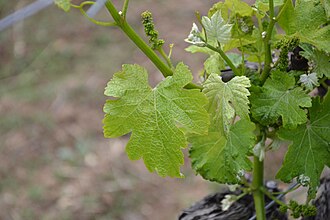
    Sauvignon Blanc grape leaf in spring growth
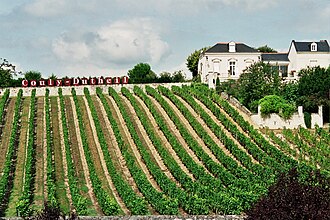
    Loire Valley vineyard in France with rows of vines
    Sauvignon Blanc grape cluster among green leaves
    Grape personality

    The electric herbalist.
    Sauvignon Blanc is vivid, green-edged and sharply focused: citrus, herbs, flint and freshness gathered into one unmistakable line.

    Best moment

    Early evening, bright table.
    Goat cheese, herbs, shellfish, citrus, cool air and that first sharp sip that makes everything feel awake.


    Sauvignon Blanc rarely slips into the room unnoticed.
    It arrives in flashes of light: with citrus, green edges, cool herbs, and a bright electric nerve. Yet beneath all that energy, there is discipline: a grape that turns freshness into focus, and brightness into precision.


    Origin & history

    A French original with a voice the world immediately recognized

    Sauvignon Blanc is French in origin, and even in its most international expressions it continues to carry that inheritance clearly. It is associated above all with the Loire Valley and Bordeaux, though the two regions show strikingly different possibilities. In the Loire, especially in Sancerre and Pouilly-Fumé, the grape became one of the great vehicles for tension, brightness, and mineral precision. In Bordeaux, it entered a different conversation — one involving blending with Sémillon, barrel work, texture, and in some cases the noble rot wines of Sauternes and Barsac through its relation to white Bordeaux traditions.

    Read more →

    Its deeper genealogy also matters. Sauvignon Blanc is one of the parents of Cabernet Sauvignon, which gives it a certain quiet historical significance beyond white wine alone. In other words, it belongs not only to a lineage of crisp, aromatic whites, but to one of the most consequential family lines in modern viticulture. This dual role — as an iconic variety in its own right and as a parent of another world classic — helps explain why its presence in grape history is larger than many casual drinkers might assume.

    The modern rise of Sauvignon Blanc accelerated dramatically in the late twentieth century, especially as New Zealand turned it into one of the most recognizable varietal styles in the world. Marlborough’s intensely aromatic, high-acid versions changed public perception of the grape. Suddenly Sauvignon Blanc was not only a French classic or a blending component, but a vivid, standalone international phenomenon. That broad success, however, should not flatten the grape into a single profile. Sauvignon Blanc has always been more than one expression.

    Its historical arc is therefore unusually rich. It can be read as a Loire terroir grape, a Bordelais structural grape, a parent variety of enormous consequence, and a modern aromatic benchmark. Few white grapes carry so many identities at once while remaining so unmistakably themselves.


    Ampelography

    A bright-fruited vine with a sharp visual identity

    Sauvignon Blanc often gives a very distinct impression in the vineyard. The bunches tend to be relatively small to medium and often compact, with small, round berries that remain green-yellow and can move toward golden tones with ripeness. Leaves are generally medium-sized and strongly shaped, with a more energetic, marked outline than some broader, more neutral white varieties. The vine feels alert in appearance, much like the wines feel alert in the glass.

    Read more →

    Its ampelographic character matters because it connects to style. Small berries and firm skins contribute to aromatic intensity and a certain tensile feeling in the must and finished wine. The grape does not generally behave like a broad, yielding white. It behaves like a variety intent on definition. Even before fermentation, Sauvignon Blanc often suggests that it is headed somewhere bright, pointed, and aromatic.

    In the field, the grape’s compact bunches can also create practical concerns, particularly around disease pressure in humid conditions. That means morphology is never merely descriptive. With Sauvignon Blanc, structure in the vineyard often foreshadows both aromatic intensity and viticultural challenge. It is a grape of brightness, but not of ease.

    • Leaf: medium-sized, clearly shaped, energetic outline
    • Bunch: small to medium, often compact
    • Berry: small, green-yellow to golden
    • Impression: vivid, tight, precise, aromatic by nature

    Viticulture

    A grape of freshness, timing, and very little forgiveness

    Sauvignon Blanc is often described as a fresh, aromatic variety, but that freshness depends on discipline. It ripens earlier than many structured white grapes, and the window between under-ripeness and a loss of edge can be surprisingly narrow. Pick too soon and the wine may become aggressively green, thin, or hard. Pick too late and the wine can lose its lift, blur its aromatics, and drift toward a tropical broadness that may be pleasant but less defined. Few white varieties make harvest timing so visible.

    Read more →

    Climate matters enormously. In cooler zones, Sauvignon Blanc can preserve the kind of acidity and aromatic tension that make the best examples feel electric. In warmer climates, it often moves toward passion fruit, ripe citrus, melon, and softer herbal tones, which can be attractive but need careful management to avoid heaviness. The best sites are therefore often places where sunlight is sufficient, but nights remain cool enough to protect precision.

    Soils also shape the style. Flint, chalk, limestone, marl, and certain alluvial gravels can lend definition, salinity, and a more structured outline. Fertile or wetter soils may push the vine toward excess vigor, which can weaken aromatic concentration and make canopy work more difficult. Because bunches can be compact, airflow is important, and disease pressure can become a significant issue in humid vintages. Sauvignon Blanc, for all its apparent brightness, is not a carefree vineyard variety.

    This is part of what makes it serious. The best Sauvignon Blancs are not just aromatic accidents. They are the result of precise decisions: row orientation, canopy balance, yield control, picking date, and sometimes multiple harvest passes. The variety may taste immediate, but good Sauvignon Blanc is almost never casual.


    Wine styles

    From flint and citrus to tropical lift and smoky texture

    Sauvignon Blanc’s aromatic identity is one of the strongest in white wine. Citrus zest, gooseberry, green herbs, boxwood, nettle, passion fruit, grapefruit, fresh-cut grass, flint, smoke, white peach, and elderflower can all belong to its world depending on climate and cellar handling. Yet what makes the grape truly interesting is not that it smells like these things, but that the balance between them can shift dramatically with place. Sauvignon Blanc is one of the clearest demonstrations that aroma alone is not style. Proportion is style.

    Read more →

    In the Loire, particularly in Sancerre and Pouilly-Fumé, Sauvignon Blanc often takes on a cooler register: citrus, crushed stone, smoke, white flowers, and a more restrained herbal edge. In Marlborough it can become explosively aromatic, with passion fruit, lime, gooseberry, and piercing freshness. In Bordeaux, especially when blended with Sémillon or touched by oak and lees, it may gain texture, lanolin-like breadth, and a more layered mouthfeel. In warmer zones, the fruit can move toward guava, melon, and ripe tropical tones, sometimes at the expense of the grape’s most defining tension.

    Winemaking choices matter as well. Stainless steel preserves brightness and aromatic precision. Lees ageing can add subtle creaminess and breadth. Barrel fermentation or neutral oak maturation can soften the grape’s sharp edges and produce more gastronomic, structured styles. Fermentation temperature, skin contact decisions, reductive handling, and the use of solids all shape how vivid, mineral, smoky, or textural the final wine becomes.

    This is why Sauvignon Blanc deserves more respect than its popularity sometimes receives. At its lowest level it is easy to caricature. At its best it is exacting, saline, textured, and deeply shaped by intention. It can be simple refreshment, yes. But it can also be serious white wine of real precision.


    Terroir

    A white grape that turns climate into aroma and shape

    Sauvignon Blanc may not be terroir-transparent in exactly the same way as Chardonnay, because its varietal aroma is stronger and more immediately assertive. Yet it is still one of the world’s most climate-sensitive white grapes. Coolness, sunlight, ripening speed, soil water balance, and harvest date all leave direct marks on the final wine. The grape turns environmental nuance into aroma with unusual speed.

    Read more →

    In cool climates, the grape tends to show sharper herbal tones, lime, grapefruit, and mineral cut. In slightly warmer but still balanced climates, the profile may open toward white peach, passion fruit, and softer floral detail. In hot sites, the wine can become broadly tropical and less defined, sometimes losing the very energy that makes Sauvignon Blanc distinctive. That sensitivity to thermal rhythm is why the grape can be both thrilling and disappointing depending on where it is grown.

    Soils contribute in more subtle ways. Flint, silex, limestone, chalk, and certain gravelly or alluvial sites can sharpen the wine’s shape and produce the smoky, stony qualities prized in regions such as Pouilly-Fumé and Sancerre. More fertile sites may yield broader, less focused wines. The grape does not simply want nutrients; it wants enough restraint in the site to keep its aromatic energy from spilling into vagueness.

    Sauvignon Blanc therefore matters as a study in the interaction between inherent varietal character and environmental modulation. The aroma is unmistakably Sauvignon Blanc. But the kind of Sauvignon Blanc it becomes — severe, smoky, tropical, leafy, saline, or textural — depends profoundly on place.


    History

    From Loire classic to international benchmark

    Sauvignon Blanc’s modern life has been shaped by two very different kinds of prestige. One is the quieter old prestige of Sancerre, Pouilly-Fumé, and fine white Bordeaux — wines whose reputation was built over time through gastronomy, structure, and consistency. The other is the explosive international success of Marlborough Sauvignon Blanc, which turned the grape into one of the world’s most immediately recognizable white wine styles.

    Read more →

    New Zealand’s impact cannot be overstated. It did not invent Sauvignon Blanc, but it dramatically expanded the world’s appetite for it. The grape became a varietal category in its own right for a new generation of drinkers. That visibility was commercially transformative. But it also brought risk: when one aromatic style becomes dominant, many people begin to mistake that style for the entire identity of the grape.

    In recent years, many growers and winemakers have pushed back productively against that simplification. They have explored older-vine Sauvignon Blanc, barrel-fermented versions, skin contact, lees work, single-site bottlings, lower-intervention methods, and more restrained aromatic profiles. The result is a broader modern understanding: Sauvignon Blanc is not one style but a family of expressions united by freshness, aromatic precision, and the management of energy.

    That ongoing evolution is one reason the grape remains culturally alive. It can satisfy casual drinkers seeking brightness, but it can also reward serious attention. Sauvignon Blanc keeps moving between the everyday and the exacting, which is a rare and valuable position for any grape to hold.


    Pairing

    A natural partner for brightness, salt, herbs, and green detail

    Sauvignon Blanc is one of the table’s most useful white wines because it brings acidity, aromatic lift, and herbal compatibility to food. It does not usually ask for cream or weight in the way richer Chardonnays might. Instead, it excels with salt, freshness, vegetables, herbs, shellfish, goat cheese, and dishes that benefit from a cleansing, energetic counterpoint. It can make a plate feel brighter and more awake.

    Read more →

    Aromas and flavors: lime, grapefruit, gooseberry, passion fruit, green herbs, nettle, elderflower, cut grass, white peach, flint, and smoke depending on origin and style. Structure: typically high in acidity, medium in body, vivid in aroma, and directed more by brightness and tension than by weight.

    Food pairings: oysters, mussels, ceviche, asparagus, peas, herbs, goat cheese, grilled fish, salade niçoise, tomato dishes with freshness, and dishes built around citrus or green nuance. Loire styles pair beautifully with chèvre. Marlborough styles can work brilliantly with shellfish and Southeast Asian-inspired freshness when the aromatics are not overwhelmed by spice.

    Textural or barrel-aged Sauvignon Blanc broadens the table slightly, allowing for roast fish, herb-roasted chicken, and dishes with more savory depth. But even then, the grape generally wants freshness somewhere in the frame. It is a wine of brightness first, and the table tends to reward that honesty.


    Where it grows

    A global white with a strong Loire and Bordeaux memory

    Sauvignon Blanc now grows in many of the world’s wine regions, but its identity is still anchored by France. The Loire remains the great reference for taut, mineral, site-led versions. Bordeaux remains essential for broader, blended, and sometimes oak-shaped expressions. New Zealand gave the grape enormous global visibility. Beyond that, Sauvignon Blanc has established itself in California, Chile, South Africa, Australia, Austria, Italy, and many cooler or moderate sites capable of preserving aromatic lift and acidity.

    Read more →
    • France: Loire Valley and Bordeaux above all
    • New Zealand: especially Marlborough, but also other cooler regions
    • United States: California and selected cooler sites
    • Chile & South Africa: strong modern expressions with freshness and intensity
    • Elsewhere: Australia, Austria, Italy, and additional cool to moderate climates worldwide

    Its success across so many regions comes from a combination of recognizability and responsiveness. Drinkers recognize the aromatic family. Growers learn that site and timing can reshape it profoundly. That balance between familiarity and nuance is part of the grape’s enduring strength.


    Why it matters

    Why Sauvignon Blanc matters on Ampelique

    Sauvignon Blanc matters on Ampelique because it reveals how a grape can be both instantly recognizable and deeply nuanced. Many people think of it as a simple aromatic variety. In reality, it is a remarkably useful lens for understanding ripening, site, and style. It can teach the difference between cool and warm climate whites, between stainless steel purity and lees-aged texture, between varietal force and terroir modulation.

    Read more →

    It also occupies an important cultural position. Sauvignon Blanc has become one of the world’s gateway fine-wine grapes because it is so immediate and engaging. Yet behind that accessibility lies enough detail to keep experienced drinkers interested for years. In that sense, it is a bridge grape: one that can welcome readers into the world of varieties while still rewarding serious study.

    There is also something exemplary about the way Sauvignon Blanc carries both reputation and misunderstanding. It is often reduced to aroma alone, yet its best versions prove that brightness need not mean simplicity. It can be mineral, textural, smoky, gastronomic, and age-worthy in the right form. This makes it an ideal grape for a platform like Ampelique, which exists not only to identify varieties, but to deepen how we understand them.

    For Ampelique, Sauvignon Blanc is therefore more than a famous white grape. It is a study in aromatic identity, climatic expression, modern globalization, and the fine line between immediacy and depth. It is one of the clearest reminders that freshness can be serious.


    Quick facts

    • Color: white
    • Parentage: Savagnin Blanc × unknown parent
    • Parentage role: parent of Cabernet Sauvignon, together with Cabernet Franc
    • Origin: France
    • Most common regions: Loire Valley, Bordeaux, Marlborough, California, Chile, South Africa, Australia, Austria, Italy and other cool to moderate regions
    • Climate: cool to moderate, freshness-sensitive
    • Soils: flint, limestone, chalk, gravel, varied restrained sites
    • Styles: crisp, aromatic, textured, blended, sometimes oak-shaped
    • Signature: acidity, aromatic precision, energy
    • Classic markers: grapefruit, gooseberry, herbs, flint, citrus, smoke

    Closing note

    A great Sauvignon Blanc is never only about aroma. It is about timing, cut, freshness, and the way a vivid grape can still hold seriousness inside brightness. At its best, it tastes like light with structure.

    If you like this grape

    If you appreciate Sauvignon Blanc’s brightness, herbal lift and aromatic precision, you might also enjoy Riesling for its electric acidity, Chenin Blanc for its freshness and versatility, or Sémillon for a broader white grape often linked to Sauvignon Blanc in Bordeaux.

    A world classic, but still one of the clearest lessons in what freshness can mean.

  • PINOT BLANC

    Ampelique Grape Profile

    Pinot Blanc

    Origin, viticulture, morphology, wine styles, and place.

    Pinot Blanc is a pale mutation of the Pinot family, valued for its calm fruit, adaptable vineyard character, and gentle white-wine expression. It is a grape of softness, balance, and quiet reliability, often less dramatic than Chardonnay or Riesling, but deeply useful in regions where subtlety and texture matter.

    Pinot Blanc matters because it occupies a quiet but important place in the Pinot family. It is not simply a neutral white grape, and it is not a lesser Chardonnay. It is a pale-skinned expression of Pinot genetics, shaped by mutation, regional selection, and centuries of vineyard use. Its best role is often one of balance: moderate aroma, good texture, gentle acidity, and a practical ability to produce refined white wines without needing to dominate the table.

    Grape personality

    Calm, rounded, discreet, and quietly adaptable. Pinot Blanc behaves like the gentle side of the Pinot family: less perfumed than Pinot Gris, less famous than Chardonnay, but balanced, useful, and quietly elegant.

    Best moment

    A simple meal where texture matters. Pinot Blanc suits roast chicken, freshwater fish, young cheeses, quiche, asparagus, creamy vegetables, and quiet lunches where softness and freshness need to sit together.


    Pinot Blanc is a quiet grape with a Pinot heart: pale, balanced, softly fruited, and most expressive when restraint is allowed to matter.


    Origin & history

    A pale mutation from the Pinot family

    Pinot Blanc is part of the old Pinot family, and its identity begins with mutation rather than crossing. It is generally understood as a pale-berried mutation of Pinot, closely related to Pinot Noir and Pinot Gris. This makes it different from grapes that were deliberately bred for a specific purpose. Pinot Blanc emerged through natural variation within one of Europe’s most important grape families. Historically, it has often lived in the shadow of better-known relatives, especially Pinot Noir, Pinot Gris, and Chardonnay. It has also been confused with Chardonnay in older vineyards because the two can look similar before careful identification. Yet Pinot Blanc has its own identity: quieter, softer, less forceful, and very useful in cool and moderate regions where balance matters more than aromatic drama.

    Read more

    The grape’s history is closely tied to Burgundy, Alsace, Germany, and the broader central European world of Pinot varieties. In several regions, old plantings and naming traditions blurred the boundaries between Pinot Blanc, Chardonnay, and other pale grapes, which partly explains why its identity was not always sharply defined.

    Alsace gave Pinot Blanc a particularly visible role, though even there the name can sometimes include wines associated with Auxerrois. Germany, Austria, northern Italy, and parts of Central Europe have also preserved strong traditions around the grape under names such as Weissburgunder or Pinot Bianco.

    Today, Pinot Blanc is best understood not as a superstar grape, but as a quiet regional specialist. It belongs wherever growers want freshness, texture, moderate aroma, and a white wine that can serve the table without demanding the whole conversation.


    Ampelography

    Pinot structure with pale fruit

    Ampelographically, Pinot Blanc carries the compact, orderly feeling of the Pinot family. Its berries are pale rather than red or grey-pink, but the vine still belongs to the same broad family pattern of relatively compact bunches, moderate vigour, and site-sensitive fruit. In the vineyard, Pinot Blanc can be visually close to Chardonnay, which historically caused confusion before DNA work and careful identification clarified the distinction. The bunches need attention because compact clusters can create disease pressure in damp conditions. The grape’s appearance is not dramatic, and its aromas are not loud, so its identity is often expressed through behaviour: balanced growth, pale berries, moderate acidity, and a natural tendency toward soft, gently textured white wines. It is a vine of quiet structure rather than display.

    Read more

    The grape’s pale berries are the most obvious visual difference from Pinot Noir and Pinot Gris. Yet this colour shift does not erase the family resemblance. Pinot Blanc still tends to behave like a Pinot: sensitive to site, capable of elegance, and not always easy to separate from related varieties in old mixed or poorly documented plantings.

    Its compact bunches mean airflow and canopy openness matter. This is especially true in regions where autumn humidity can become a problem. Good Pinot Blanc viticulture is therefore not only about ripeness, but about keeping the fruit clean and balanced until harvest.

    • Leaf: typically Pinot-like and not usually the main everyday identification feature.
    • Bunch: relatively compact, requiring careful airflow and disease management.
    • Berry: pale-skinned, producing white wines with gentle fruit and moderate aroma.
    • Impression: calm, family-linked, discreet, moderately vigorous, and site-sensitive.

    Viticulture notes

    Balanced growth, compact bunches, and careful timing

    Pinot Blanc is generally a practical but not careless vineyard variety. It tends to offer balanced growth, moderate vigour, and useful ripening in cool to moderately warm climates. Its strength lies in producing fruit that can become complete without excessive heat, while still retaining enough freshness for dry white wines. The main challenges are linked to bunch structure, yield, and timing. Compact clusters can increase rot pressure in humid conditions, so canopy management and airflow are important. If yields are too high, Pinot Blanc can become neutral and thin. If picked too late, it may lose the gentle freshness that keeps its soft fruit in shape. The best growers treat it as a precision grape, not a background filler.

    Read more

    In Alsace, Germany, Austria, and northern Italy, Pinot Blanc often benefits from sites that are warm enough to build texture but cool enough to keep definition. It does not need the highest-acid sites, but it can become dull if the climate is too warm or the crop too heavy.

    Yield control is therefore important. Pinot Blanc can produce clean, pleasant fruit at generous crops, but the most interesting examples usually come from more careful viticulture. Moderate yields help the grape show pear, apple, almond, and a more convincing mid-palate.

    Harvest timing shapes the final personality. Picked with freshness, the grape feels clean and elegant. Picked for more ripeness, it becomes broader and creamier. The best choice depends on region, intended style, and the balance of the season.


    Wine styles & vinification

    Gentle whites with pear, almond, and texture

    Although this profile is mainly about the grape, Pinot Blanc is easiest to understand through the style of wine it naturally gives. It usually produces dry white wines with pear, apple, lemon skin, almond, white flowers, and a soft, rounded texture. It is rarely intensely aromatic, which is one reason it can be confused in style with other gentle white grapes. Yet good Pinot Blanc has its own balance: less sharp than Riesling, less rich than Chardonnay, less perfumed than Pinot Gris, and often more quietly textured than simple neutral whites. In the cellar, it can be made in stainless steel for freshness, with lees for added roundness, or occasionally with subtle oak when the fruit has enough depth. Heavy handling can easily obscure its calm personality.

    Read more

    In Alsace, Pinot Blanc is often used for fresh, food-friendly whites and can also play a role in sparkling wines. In Germany and Austria, Weissburgunder can be more precise and structured, sometimes with more serious dry-wine ambition. In northern Italy, Pinot Bianco can show mountain freshness and clean fruit.

    The grape does not need strong winemaking decoration. Its best forms are usually clear, dry, textural, and balanced. Lees contact can support its mid-palate, but too much oak or too much ripeness can make it lose the simple elegance that defines it.

    This is why Pinot Blanc works so well as a table wine. It has enough body to be useful with food, but not so much aroma or acidity that it dominates. Its quietness is practical, not empty.


    Terroir & microclimate

    Cool slopes, moderate warmth, and gentle clarity

    Pinot Blanc works best in climates that allow full but not excessive ripeness. It is well suited to cool and moderately warm regions where the growing season gives enough time for texture and fruit, while still preserving freshness. Alsace, Baden, Pfalz, Austria, Alto Adige, and other northern or upland regions show why the grape fits these conditions. It does not usually express terroir as sharply as Riesling, nor does it translate soil with the dramatic clarity of some more acid-driven grapes. Instead, it shows place through texture, fruit shape, acidity, and the quiet balance of the palate. Calcareous soils, well-drained slopes, and cool nights can all help Pinot Blanc feel more defined. In poor or over-warm sites, it can become broad and forgettable.

    Read more

    The grape’s moderate aromatic profile means that terroir expression depends on subtle details. Soil structure, crop load, canopy health, and ripeness level all become visible through the wine’s texture. A good Pinot Blanc often feels more defined than aromatic.

    Cool nights are especially helpful. They preserve the freshness that Pinot Blanc needs to avoid softness. The grape can build pleasant body, but that body needs a line of acidity and mineral calm to feel complete rather than heavy.

    This makes Pinot Blanc a grape of moderation. It does not ask for extreme sites, but it does ask for thoughtful ones: enough warmth, enough freshness, and enough care to let quiet detail emerge.


    Historical spread & modern experiments

    From Pinot mutation to regional specialist

    Pinot Blanc spread through regions where Pinot family grapes were already valued, especially across eastern France, Germany, Austria, northern Italy, and parts of Central Europe. Its identity changed with language and region: Pinot Blanc in France, Weissburgunder in Germany and Austria, Pinot Bianco in Italy. In Alsace, it became a familiar part of the region’s white-wine landscape, often giving soft, accessible wines and contributing to sparkling styles. In Germany and Austria, Weissburgunder has gained more serious attention as growers make precise dry wines from good sites. In northern Italy, especially Alto Adige, Pinot Bianco can show mountain freshness and fine texture. The grape’s modern story is not about one dominant home, but about many regional interpretations of a quiet Pinot mutation.

    Read more

    The grape’s reputation has improved in recent decades because producers have treated it with more care. Once seen mainly as a pleasant, simple white, Pinot Blanc can now be found in more ambitious dry styles, especially where low yields, older vines, and careful cellar work are used.

    Its spread also shows how naming shapes perception. Weissburgunder can sound like a serious dry Germanic white, Pinot Bianco like a mountain Italian grape, and Pinot Blanc like a gentle Alsace variety. Genetically they point to the same grape, but culturally they can feel different.

    This is part of Pinot Blanc’s charm. It is not a single loud international brand. It is a grape that changes accent from region to region while keeping its central character: pale Pinot, gentle fruit, texture, and calm balance.


    Tasting profile & food pairing

    Pear, apple, almond, and soft freshness

    Pinot Blanc usually gives wines with pear, apple, lemon peel, white flowers, almond, and sometimes a soft creamy or bready note when lees contact is used. The palate is often more important than the nose: rounded, dry, gentle, and medium-bodied rather than sharp or flamboyant. In lighter versions, Pinot Blanc can be fresh, simple, and easy to drink. In more serious versions, especially as Weissburgunder or Pinot Bianco from good sites, it can show fine texture, subtle depth, and a clean mineral line. Food pairing is one of the grape’s strengths. It works with roast chicken, trout, asparagus, quiche, creamy vegetable dishes, mild cheeses, pork with herbs, and soft mushroom preparations. It is a grape made for quiet meals.

    Read more

    Aromas and flavors: pear, apple, lemon skin, almond, white blossom, melon, fresh bread, light cream, and gentle herbs. Structure: dry, rounded, moderate in acidity, medium in body, and usually softly textured.

    Food pairing: roast chicken, trout, pike-perch, quiche Lorraine, asparagus, leek tart, young cheeses, creamy pasta, mushrooms, pork with herbs, and simple vegetable dishes. Pinot Blanc is flexible because it rarely overpowers food.

    The pleasure of Pinot Blanc is not intensity. It is proportion: enough fruit, enough freshness, enough texture, and enough restraint to feel useful at the table.


    Where it grows

    Alsace, Germany, Austria, Italy, and cool-climate Pinot regions

    Pinot Blanc is grown in several European regions where the Pinot family has deep roots. Alsace is one of its most familiar homes, though wines labelled Pinot Blanc may sometimes include or sit close to Auxerrois traditions. Germany grows it as Weissburgunder, where it can range from simple dry whites to serious, site-driven bottlings. Austria also treats Weissburgunder with respect, often producing clean, dry wines with body and subtle fruit. In northern Italy, Pinot Bianco is important in Alto Adige and other cooler regions, where altitude and mountain light give freshness and shape. The grape is also found in parts of Switzerland, Slovenia, Croatia, Hungary, and newer cool-climate areas. Its spread follows a clear pattern: Pinot Blanc thrives where moderate climates allow pale Pinot fruit to remain fresh, balanced, and quietly textured.

    Read more
    • Alsace: a classic home for gentle, food-friendly Pinot Blanc styles.
    • Germany: known as Weissburgunder, with increasing serious dry-wine ambition.
    • Austria: valued for dry whites with freshness, texture, and moderate fruit.
    • Northern Italy: Pinot Bianco can show mountain clarity, especially in Alto Adige.

    Pinot Blanc is not defined by one single country. It is a regional translator with many names, shaped by local language, climate, and the ambition of the grower.


    Why it matters

    Why Pinot Blanc matters on Ampelique

    Pinot Blanc matters because it shows the quiet complexity of the Pinot family. It is not the most famous member, and it does not rely on dramatic aromatics, but it carries a long story of mutation, identification, regional naming, and practical vineyard use. It also shows how a grape can be valuable without being loud. Pinot Blanc can make simple wines, but it can also make refined, textural, serious dry whites when grown with care. On Ampelique, it belongs because it connects Burgundy, Alsace, Germany, Austria, and northern Italy through one pale Pinot thread. It teaches that grape identity is not only about flavour, but also about family, morphology, site, language, and regional interpretation.

    Read more

    The grape is also important because it helps explain the subtle differences between related varieties. Pinot Blanc, Auxerrois, Chardonnay, Pinot Gris, and Chasselas can all appear gentle or moderate in certain settings, but their vineyard behaviour and structural personalities are different.

    Pinot Blanc rewards a deeper look. It is easy to dismiss when overcropped or made simply, but in the right hands it becomes elegant, textural, and quietly expressive. That makes it a perfect Ampelique grape: modest on the surface, rich in context.

    For anyone learning grape varieties, Pinot Blanc is essential because it proves that quiet wines often begin with fascinating vines. Its value lies in restraint, family history, and the many regional voices it can carry.

    Keep exploring

    Continue through the PQR grape group to discover more varieties that show how family, mutation, climate, and quiet regional traditions shape wine.

    Quick facts

    Identity

    • Color: white
    • Main names / synonyms: Pinot Blanc, Weissburgunder, Pinot Bianco, Beli Pinot
    • Parentage: pale mutation within the Pinot family, closely related to Pinot Noir and Pinot Gris
    • Origin: historic Pinot family regions of western and central Europe
    • Common regions: Alsace, Germany, Austria, northern Italy, Switzerland, Slovenia, Croatia, Central Europe

    Vineyard & wine

    • Climate: cool to moderately warm climates with enough freshness for balance
    • Soils: adaptable, often good on calcareous and well-drained sites
    • Growth habit: moderate vigour, compact clusters, generally balanced but yield-sensitive
    • Ripening: early to mid-ripening, depending on region and site
    • Styles: dry white, sparkling base, textural dry whites, regional Weissburgunder and Pinot Bianco styles
    • Signature: pear, apple, almond, white flowers, soft texture, moderate acidity, gentle freshness
    • Classic markers: pale fruit, rounded palate, mild aromatics, calm Pinot-family structure
    • Viticultural note: compact bunches need airflow; quality improves with yield control and careful harvest timing

    If you like this grape

    If you enjoy Pinot Blanc, look for other restrained white grapes where texture, soft fruit, moderate acidity, and food-friendly balance are more important than aromatic intensity.

    Closing note

    Pinot Blanc is a grape of quiet competence: pale, balanced, softly textured, and deeply connected to the Pinot family. It does not ask for attention loudly, but it rewards anyone who notices detail.

    Continue exploring Ampelique

    A pale Pinot of texture, calm fruit, quiet balance, and many regional voices.

  • GARGANEGA

    Ampelique Grape Profile

    Garganega

    Origin, viticulture, morphology, wine styles, and place.

    Garganega is a white Italian grape variety from Veneto, best known as the principal grape behind Soave. It is a grape of quiet architecture: almond, pear, flowers, volcanic stone, and a patient mineral line that often reveals itself slowly.

    Garganega deserves attention because it shows how restrained white wine can still be profound. It is not a grape of loud aromatics or tropical immediacy. Its strength lies in slow-ripened texture, mineral tension, orchard fruit, white flowers, hay, almond skin, and a calm savoury finish. In the hills of Soave Classico and the volcanic slopes above Verona, it can become layered, age-worthy, and deeply expressive. It also carries one of Italy’s great sweet-wine traditions through Recioto di Soave.

    Grape personality

    Subtle, mineral, and quietly persistent. Garganega rarely speaks in bright colour or obvious perfume. It prefers texture, restraint, and detail: pear skin, almond, chamomile, citrus peel, dried herbs, and a stony freshness that gives the wine its calm, enduring shape.

    Best moment

    A spring evening in the hills above Verona. Garganega feels most itself with risotto, herbs, lake fish, young cheeses, and the soft light of a meal that does not need to hurry. It is a grape for quiet tables and slow discovery.


    Garganega is not a grape that rushes toward you. It waits, gathers itself, and slowly opens into almond, pear, stone, flowers, and the dry golden hush of Venetian hills.


    Origin & history

    A Venetian grape shaped by Soave

    Garganega is one of the historic white grapes of north-eastern Italy, most closely associated with the hills of Soave in Veneto. Its identity is inseparable from the landscape east of Verona, where volcanic soils, limestone slopes, pergola-trained vines, and long growing seasons have shaped its quiet but persistent character.

    Read more →

    The name Garganega is strongly linked with Soave, but the variety is older and broader than one famous appellation. It has long been cultivated in Veneto and surrounding areas, where it became valued for its productivity, late ripening, disease resilience in suitable sites, and ability to produce both dry and sweet wines. In historic vineyards, the grape was often grown on pergola systems, a training method that suited its vigor and protected grapes from excessive sun.

    Soave gave Garganega its international reputation, but also sometimes simplified its image. For decades many drinkers knew Soave mainly as an easy white wine. Yet in the hillside zones, especially around Soave Classico, Garganega can be serious, mineral, and capable of ageing. It can express both volcanic sharpness and softer limestone breadth, with a flavour profile that is more about quiet detail than aromatic impact.

    The grape is also central to Recioto di Soave, one of Italy’s classic sweet white wines. Grapes are dried before fermentation, concentrating sugars, aromas, and texture. This dual identity matters: Garganega can be fresh and dry, but also honeyed, intense, and meditative. Few white grapes show such a calm bridge between everyday drinking and historic sweetness.


    Ampelography

    Generous bunches and late golden ripening

    Garganega is a vigorous white grape with medium to large bunches, rounded berries, and a tendency to ripen late. Its fruit can remain greenish-yellow for much of the season before developing a warmer golden tone when maturity is reached.

    Read more →

    The vine is known for its vigor and productivity, which means vineyard management is crucial. If allowed to overcrop, Garganega can produce pleasant but diluted wines, losing the mineral line and almond-like finish that make the grape distinctive. Balanced yields, old vines, hillside exposure, and suitable soils bring greater depth and concentration.

    Bunches are often medium to large and can be relatively loose or winged, depending on clone and site. This structure can be helpful in reducing compact-cluster problems, although humidity and canopy density still require attention. The berries are usually medium-sized, round to slightly oval, with skins that allow both fresh white wine production and drying for sweet wines.

    • Leaf: Medium to large, usually broad, with a vigorous canopy that needs thoughtful management.
    • Bunch: Medium to large, often elongated or winged, with a structure that can support late harvesting.
    • Berry: Medium, rounded, green-yellow to golden when fully ripe, with a neutral but fresh pulp.
    • Impression: A productive, late-ripening white grape whose quality depends on restraint, exposure, and patient maturity.

    Viticulture notes

    Late ripening needs patience and control

    Garganega is naturally productive and late-ripening, so its best vineyards are those that combine warmth, airflow, slope, and moderated yields. The grower’s task is to let the grape ripen fully without losing freshness or slipping into heaviness.

    Read more →

    Because Garganega can carry generous crops, yield control is one of the most important factors in quality. On fertile flatland it can produce simple, easy wines, but on hillside sites with restricted vigor it gains structure and depth. Old vines are especially valued because they often moderate production naturally and help bring a more concentrated expression of fruit and mineral tone.

    Traditional pergola training has long been used in the Soave area. It provides shade, supports vigor, and protects grapes during warm seasons. Modern producers may also use Guyot or other systems where they want more direct exposure and tighter control. Neither approach is automatically superior; the success depends on site, vine age, canopy balance, and the wine style being pursued.

    The late harvest window is central to Garganega. Picked too early, the wines can feel neutral and angular. Picked too late, they may become broad and lose the delicate line of almond, citrus, and herbs. The finest examples come from vineyards where the grapes achieve full phenolic ripeness while still holding enough acidity to keep the wine alive.


    Wine styles & vinification

    Dry Soave, textured whites, and Recioto

    Garganega is best known for dry white wines, especially Soave, but it can also produce richer single-vineyard wines, sparkling examples, late-harvest styles, and the historic sweet wine Recioto di Soave.

    Read more →

    In simple dry wines, Garganega can be fresh, pale, and easy to drink, with pear, apple, lemon, and almond notes. In more serious Soave Classico, especially from hillside vineyards, it becomes more structured and layered. Lees ageing can add creaminess and depth, while still allowing the grape’s mineral and herbal line to remain visible.

    The best dry Garganega often avoids obvious oak. When wood is used, it tends to be restrained, supporting texture rather than dominating aroma. The grape’s natural style is subtle, so heavy winemaking can easily obscure its identity. Stainless steel, concrete, large old wood, and careful lees work are all used, depending on producer philosophy.

    Recioto di Soave shows another face of Garganega. Grapes are dried after harvest, concentrating sugar and flavour before fermentation. The resulting wines can be golden, sweet, honeyed, and complex, with apricot, candied citrus, almond, saffron, and dried flowers. This sweet tradition proves that Garganega is not merely a neutral white grape, but a variety with enough structure to hold concentration and age.


    Terroir & microclimate

    Volcanic hills, limestone, and cool nights

    Garganega is deeply shaped by the hills of Soave, where volcanic basalt, limestone, altitude, and exposure create different expressions of the grape. The finest sites give it both ripeness and restraint.

    Read more →

    Volcanic soils are central to the image of Soave Classico. They can bring tension, savoury depth, and a distinctive stony impression. Garganega grown on these soils often feels less fruity and more mineral, with flavours that lean toward citrus peel, almond, dried herbs, and a lightly smoky or saline edge.

    Limestone and mixed calcareous soils can give a different kind of precision: chalky texture, brightness, and a more floral expression. Because Garganega is not loudly aromatic, these soil differences are not always obvious in youth. They often appear in texture, finish, and the way the wine develops after several years in bottle.

    Microclimate matters because Garganega needs a long season. Warm days help ripening, while cooler nights help preserve acidity and aromatic freshness. The best hillside vineyards allow the grape to ripen slowly, building flavour without losing its dry, mineral, almond-edged finish.


    Historical spread & modern experiments

    From local workhorse to serious white

    Garganega has travelled with the reputation of Soave: sometimes celebrated, sometimes underestimated. Its modern story is partly the story of growers proving that the grape can be much more than a simple, neutral white.

    Read more →

    In the twentieth century, Soave became widely exported and often associated with light, easy-drinking white wine. That commercial success brought recognition, but it also diluted the image of Garganega. The grape’s finest hillside expressions were sometimes hidden behind a broader category of simple bottles.

    The modern revival of serious Soave has returned attention to vineyard origin, older vines, lower yields, volcanic hills, single sites, and more precise winemaking. Garganega has benefited from this shift. It now stands as one of Italy’s most important white grapes for anyone interested in terroir-driven, age-worthy wines that remain moderate and food-friendly.

    Outside Soave, Garganega appears in other Veneto wines and has genetic or historical connections with several Italian varieties. But its essential identity remains tied to the Soave hills. That is where its restraint makes the most sense: a grape shaped by slope, soil, shade, sun, and the long patience of ripening.


    Tasting profile & food pairing

    Pear, almond, herbs, and volcanic stone

    Garganega’s tasting profile is usually understated but distinctive. Expect pear, apple, lemon, white flowers, chamomile, almond, hay, herbs, and a dry mineral finish. The best wines combine softness of fruit with firmness of structure.

    Read more →

    Aromas and flavors: Pear, yellow apple, lemon peel, white peach, chamomile, acacia, almond, hay, dried herbs, honeyed notes with age, and a stony or lightly saline finish. Structure: Usually medium-bodied, dry, moderately aromatic, with balanced acidity, soft texture, and a slightly bitter almond finish.

    Food pairings: Risotto with herbs or seafood, lake fish, grilled vegetables, roast chicken, polenta, asparagus, young cheeses, pasta with sage butter, white beans, and dishes with olive oil and gentle bitterness. Sweeter Recioto styles pair beautifully with almond pastries, fruit tarts, blue cheese, and lightly spiced desserts.

    Age brings another dimension. Fine Garganega can develop honey, wax, saffron, dried flowers, nuts, and deeper savoury tones while retaining freshness. It does not age like Riesling or Chardonnay; it ages in its own quieter way, becoming broader, calmer, and more textural without losing the almond and stone at its core.


    Where it grows

    The white grape of Soave and Veneto

    Garganega grows most famously in Veneto, especially in Soave and Soave Classico. It is also found in neighbouring areas, where it may appear in dry white blends, sweet wines, and local expressions connected to the broader Venetian wine landscape.

    Read more →
    • Soave Classico: The historic hillside heartland, known for volcanic and limestone soils, old vines, and the most structured dry expressions.
    • Soave DOC: A broader area with a wide range of styles, from light and simple wines to more serious examples from better sites.
    • Recioto di Soave: The traditional sweet-wine expression, made from dried grapes and capable of great richness and longevity.
    • Wider Veneto: Garganega appears in other local wines and blends, often contributing body, almond notes, and gentle acidity.

    The grape’s strongest voice remains in Soave’s hills. There, Garganega is not just a variety but a landscape language: volcanic ridges, limestone patches, old pergolas, long ripening, and wines that often need a little time to show their full detail.


    Why it matters

    Why Garganega matters on Ampelique

    Garganega matters because it proves that a great white grape does not have to be loud. Its importance lies in place, texture, patience, and the way it can carry both dry mineral wines and historic sweet wines with equal dignity.

    Read more →

    On Ampelique, Garganega belongs among the grapes that teach restraint. It is easy to overlook because it does not advertise itself through explosive fruit or immediate aroma. But once placed in the right landscape and farmed with care, it becomes one of Italy’s most eloquent white varieties.

    It is also a grape that connects viticulture and culture. Pergola training, hillside soils, drying lofts for Recioto, the reputation of Soave, and the modern return to single-site seriousness all belong to its story. This makes Garganega more than a tasting note. It becomes a way to understand how tradition can be renewed without becoming artificial.

    For a grape library, Garganega is essential. It is historic, regionally important, stylistically flexible, and still slightly underestimated. It invites readers to slow down and notice the quieter architecture of wine: fruit, stone, almond, air, and time.

    Keep exploring

    Continue through the GHI grape group to discover more varieties that shape classic regions, historic blends, and the hidden architecture of wine.

    Quick facts

    Identity

    • Color: white
    • Main names / synonyms: Garganega, Garganego, Grecanico Dorato
    • Parentage: Ancient Italian variety; exact parentage complex and not central to its practical identity
    • Origin: Italy, especially Veneto and the Soave area
    • Common regions: Soave, Soave Classico, Recioto di Soave, wider Veneto, and related plantings in north-eastern Italy

    Vineyard & wine

    • Climate: Warm hillside climates with enough airflow and cool nights to preserve freshness
    • Soils: Volcanic basalt, limestone, calcareous clay, and mixed hillside soils
    • Growth habit: Vigorous and productive; often suited to pergola or carefully managed training systems
    • Ripening: Late; needs patient harvesting for full flavour and texture
    • Styles: Dry Soave, Soave Classico, single-vineyard whites, sparkling, late-harvest, and Recioto di Soave
    • Signature: Pear, almond, chamomile, citrus peel, herbs, soft texture, and mineral finish
    • Classic markers: Medium body, restrained aroma, almond bitterness, orchard fruit, floral lift, and stony persistence
    • Viticultural note: Yield control and hillside exposure are essential for depth, structure, and age-worthy quality

    If you like this grape

    If you like Garganega, explore other white grapes with quiet structure, savoury detail, mineral length, and a slightly almond-edged finish. Verdicchio shares its Italian restraint and bitter-almond freshness, while Trebbiano di Soave is closely connected to the same regional world. Fiano brings a southern echo of texture, herbs, nuts, and age-worthy depth.

    Closing note

    Garganega is a grape of patience. It asks for time in the vineyard, time in the glass, and sometimes time in the bottle. Its beauty is not in volume but in quiet persistence: pear, almond, hay, flowers, volcanic stone, and a finish that feels dry, calm, and complete.

    Continue exploring Ampelique

  • ASSYRTIKO

    Ampelique Grape Profile

    Assyrtiko

    Origin, viticulture, morphology, wine styles, and place.

    Assyrtiko is a white Greek grape, most famously rooted in Santorini, known for intense acidity, mineral tension, pale berries and drought-defying strength. Its vine belongs to wind, ash, salt, old basket-trained roots and sunlight sharpened by the Aegean Sea.

    Assyrtiko is one of Greece’s great white grapes because the vine can ripen under fierce light while keeping a striking acid line. On Santorini, old vines grow in volcanic soils, often trained low in basket-like forms to protect fruit from wind and sun. The grape itself is not showy in perfume. Its power comes from structure: compact clusters, firm pale berries, drought resistance, salt-edged freshness and a rare ability to turn difficult landscapes into precise white wine.

    Grape personality

    Severe, luminous, drought-hardy, and beautifully disciplined. Assyrtiko is a white grape with moderate leaves, compact clusters, firm pale berries and exceptional acid retention. Its personality is mineral-feeling, saline, wind-shaped, structured, restrained in aroma and remarkably strong in dry Greek vineyards.

    Best moment

    Seafood, salt, lemon, volcanic wind, and a table near the water. Assyrtiko feels natural with oysters, grilled fish, octopus, prawns, feta, capers, herbs and citrus. Its best moment is bright, dry, coastal and focused, where freshness cuts cleanly through food.


    Assyrtiko grows like a white flame in volcanic dust: pale berries, hard light, wind, salt and roots that remember drought.


    Contents

    Origin & history

    Aegean roots and the volcanic memory of Santorini

    The grape is most famously linked to Santorini, where old vines grow in volcanic ash, pumice and wind-swept island conditions. That landscape shaped its reputation: not as a soft aromatic white, but as a severe, dry, acid-driven grape capable of holding freshness under extreme sunlight.

    Read more

    The low basket training of Santorini, often called kouloura, is part of the grape’s visual identity there. Vines are shaped close to the ground, with shoots woven into protective rings that shelter clusters from wind, sand, heat and direct sun. Few grape varieties are so closely tied to a training system.

    From Santorini, Assyrtiko has spread widely across Greece because growers value its acid retention and structural force. Mainland versions can be fruitier or softer, while island examples often show the most saline, stony and austere expression.

    Its importance on Ampelique is clear: Assyrtiko is a vine that proves white grapes can be powerful through acidity, dryness, soil expression and endurance rather than perfume alone.


    Ampelography

    Moderate leaves, compact clusters and firm pale berries

    In the vineyard, Assyrtiko is not defined by decorative foliage. The adult leaf is usually medium-sized, rounded to pentagonal, with three to five lobes that are often moderately marked rather than deeply cut. The blade can appear firm, slightly blistered and practical, with clear teeth along the margin.

    Read more

    The petiolar sinus is generally open or only slightly overlapping, while lateral sinuses remain moderate. In windy island vineyards the canopy is often shaped more by training and survival than by textbook neatness. The plant’s visible identity is therefore also architectural: low, coiled, protective and close to the earth.

    Clusters are commonly medium-sized, conical or cylindrical-conical, and often compact. The berries are small to medium, round to slightly oval, pale green-yellow to golden at maturity, with firm skins and a strong capacity to retain acidity even when sugars rise.

    • Leaf: medium-sized, rounded to pentagonal, often three to five lobes.
    • Cluster: medium-sized, conical or cylindrical-conical, usually compact.
    • Berry: small to medium, round to slightly oval, pale green-yellow to golden.
    • Impression: firm, drought-hardy, acid-retentive, wind-shaped and structurally powerful.

    Viticulture notes

    Drought, wind, old roots and acid retention

    Few white grapes are so admired for keeping acidity under heat. Assyrtiko can ripen to full sugar while still holding a bright, sometimes almost electric line. This makes it valuable in dry Greek climates, but also demanding: balance depends on yield, exposure, water stress and harvest timing.

    Read more

    On Santorini, low rainfall, wind and poor volcanic soils create naturally small crops. The basket-trained vine protects fruit and conserves what little moisture is available. Old roots are especially important because they help the plant survive drought and draw steadiness from an unforgiving site.

    Compact clusters require care in more humid mainland sites, where disease pressure is higher than on Santorini. Airflow remains essential. In fertile vineyards, yield control helps prevent wines from becoming broad without depth.

    The grower’s task is to protect tension. Assyrtiko does not need aromatic exaggeration; it needs clean fruit, strong acidity and enough extract to carry its mineral, saline frame.


    Wine styles & vinification

    Dry whites with salt, citrus and structural force

    In the cellar, Assyrtiko is usually made as a dry, structured white. Stainless steel preserves lemon, lime, green apple, salt and stone. Lees contact can add breadth without softening the line too much. Oak is possible, but it must respect the grape’s natural austerity.

    Read more

    Santorini styles are often the most intense: dry, saline, volcanic-feeling and capable of ageing. Mainland examples may show more fruit, softer texture or a slightly broader profile. The grape can also appear in blends, sweet Vinsanto-style wines on Santorini, and more experimental textured wines.

    Skin contact and amphora can work when handled with restraint, because the grape has enough structure to carry phenolic texture. Still, excess extraction can turn its precision into hardness. The best winemaking keeps a clean edge.

    Its strongest wines feel less like fruit and more like architecture: citrus, salt, stone, acid, extract and a dry finish that seems to lengthen rather than fade.


    Terroir & microclimate

    Volcanic ash, sea wind and the grammar of dryness

    Santorini gives Assyrtiko its most famous terroir language: volcanic soils, almost no organic matter, strong wind, sea influence and intense sun. These conditions produce low yields and concentrated berries, while the grape’s acid retention keeps the wine from becoming heavy.

    Read more

    The island’s dry climate and sandy volcanic material have also helped preserve very old vines. These old vines are not romantic decoration; they are functional. Deep, established root systems make survival possible where young vines would struggle.

    On the mainland, the same grape changes voice. Fruit may become more visible, acidity may feel slightly less severe, and texture may soften. Good sites still need drainage, airflow and enough stress to prevent the vine from becoming too generous.

    Its terroir expression is less about fragrance than force: salt, stone, lemon, smoke, dryness and the feeling that the vine has translated hardship into clarity.


    Historical spread & modern experiments

    From island identity to national Greek reference

    Assyrtiko’s modern spread across Greece is one of the clearest signs of its quality. A grape once most strongly associated with Santorini is now planted in many mainland and island regions because growers want its acid structure, drought tolerance and international recognition.

    Read more

    Its success has not erased the importance of origin. Santorini remains the benchmark because the island gives the grape its most extreme and recognisable expression. Mainland plantings can be excellent, but they usually speak a different dialect: less volcanic severity, more fruit or broader texture.

    Modern experimentation has expanded the styles: unoaked dry whites, oak-aged versions, lees-aged wines, blends, amphora bottlings and sweet wines from dried grapes. The variety can handle many approaches because its acidity and extract give it a strong skeleton.

    Its future depends on protecting that skeleton. Assyrtiko is strongest when it remains dry, clear, precise and rooted in site rather than made into a generic full-bodied white.


    Tasting profile & food pairing

    Lemon, salt, stone, smoke and piercing freshness

    A typical dry Assyrtiko shows lemon, lime, green apple, sea salt, wet stone, smoke, herbs and sometimes a faint waxy or honeyed note with age. The palate is dry, firm and acid-driven, often with more body and extract than the aroma suggests.

    Read more

    Aromas and flavors: lemon, lime, green apple, grapefruit, sea salt, stone, smoke, herbs, beeswax and sometimes honeyed notes with age. Structure: dry, high-acid, firm, saline, textured and ageworthy in serious examples.

    Food pairings: oysters, grilled fish, octopus, prawns, lemon chicken, feta, capers, tomatoes, artichokes, herbs and olive-oil based dishes. Its acidity and salt make it especially strong with seafood.

    It is not a soft sipping grape by nature. Its pleasure comes from focus, length and the way the wine makes food taste cleaner and sharper.


    Where it grows

    Santorini first, then Greece more widely

    Santorini remains the essential reference point, but Assyrtiko is no longer limited to the island. It is grown across several Greek regions, where it adapts to different soils and climates while keeping its core character: acidity, structure and dry white-wine force.

    Read more
    • Santorini: the benchmark, with volcanic soils, old vines, basket training and saline intensity.
    • Other Aegean islands: can show sea influence, dryness and bright acidity.
    • Northern Greece: may give a cleaner citrus profile with more mainland fruit expression.
    • Greek mainland: important for modern plantings, blends and broader stylistic experiments.

    It should be introduced through Santorini before anything else, because that island explains the grape’s most famous structure and visual vineyard identity.


    Why it matters

    Why Assyrtiko matters on Ampelique

    Assyrtiko matters because it is one of the world’s great white grapes of structure. It shows that a white variety can be powerful without being aromatic, rich without being soft, and expressive without needing obvious fruitiness.

    Read more

    For growers, it is a lesson in adaptation: drought, wind, volcanic soil, low yields, old roots and acid retention. For drinkers, it is a lesson in precision: lemon, salt, stone and length rather than perfume and softness.

    Its vineyard form is just as important as its flavour. The low basket vines of Santorini make visible what the grape must survive: wind, heat, drought and exposure. Few varieties connect plant architecture and wine style so clearly.

    On Ampelique, Assyrtiko belongs among the essential grapes because it teaches through endurance, not ease. It is a white grape shaped by hardship into clarity.

    Keep exploring

    Continue through the ABC grape group to discover more varieties that shape Greek vineyards, island whites, and the living architecture of wine.

    Quick facts

    Identity

    • Color: white
    • Main name: Assyrtiko
    • Origin: Greece, most famously Santorini
    • Key identity: high-acid Greek white grape with saline, mineral-feeling structure
    • Regional role: benchmark island grape now widely planted across Greece

    Vineyard & wine

    • Leaf: medium-sized, rounded to pentagonal, often three to five lobes
    • Cluster: medium-sized, conical or cylindrical-conical, usually compact
    • Berry: small to medium, round to slightly oval, pale green-yellow to golden
    • Growth: drought-hardy, acid-retentive and strongly shaped by training and site
    • Climate: dry, windy, sunny Greek vineyards, especially volcanic island conditions
    • Styles: dry whites, Santorini wines, blends, oak-aged versions and sweet Vinsanto styles
    • Signature: lemon, lime, salt, stone, smoke, green apple and piercing freshness
    • Viticultural note: old vines, low yields, drought stress and basket training are central on Santorini

    If you like this grape

    If Assyrtiko appeals to you, explore white grapes with acid, salt and strong place identity. Malagousia offers a softer aromatic Greek contrast, Vidiano gives Cretan texture, while Albariño provides another coastal white with citrus and saline freshness.

    Closing note

    Assyrtiko is a grape of survival and precision: compact bunches, firm pale berries, wind-trained vines and an acid line that refuses to disappear. Its beauty is dry, salty and severe, like sunlight reflected from volcanic stone.

    Continue exploring Ampelique

    Assyrtiko reminds us that some vines speak through endurance: root, wind, ash, salt and a white line of light.