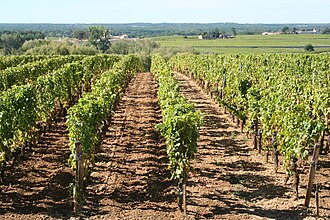
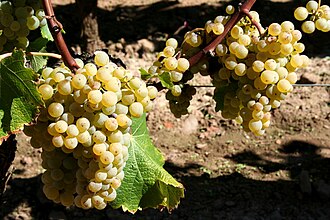
Tag: French grapes

French grape varieties, a broad group of grapes from one of the world’s most influential wine countries, shaped by history, regional diversity, and deep viticultural tradition.

  • ALIGOTÉ

    Ampelique Grape Profile

    Aligoté

    Origin, viticulture, morphology, wine styles, and place.

    Aligoté is a white Burgundian grape variety known for bright acidity, citrus clarity, mineral tension, and a quietly resilient vineyard character. It is a grape of cool light, limestone edges, green apple, white flowers, and a lean Burgundian precision that often feels more honest than ornamental.

    Aligoté deserves attention because it has lived for centuries in the shadow of Chardonnay while keeping a very different kind of Burgundian voice. It is sharper, lighter, more direct, and often more transparent in its youth. In simple wines it can be crisp and refreshing; in old-vine examples from serious limestone sites, especially in Bouzeron and selected Côte Chalonnaise or Côte de Beaune parcels, it can become textured, saline, floral, and quietly age-worthy. Aligoté is not Chardonnay’s lesser sibling. It is a separate idea: a white grape built around acidity, freshness, modesty, and mineral line.

    Grape personality

    Fresh, precise, and quietly stubborn. Aligoté is not lush or dramatic. It speaks through acidity, citrus, green apple, white flowers, and mineral tension. Its personality is alert rather than rich: a grape that keeps the wine upright, brisk, and beautifully direct.

    Best moment

    A bright table with oysters, goat cheese, herbs, or simple fish. Aligoté feels most itself when the food is clean, salty, fresh, and not too heavy. It is a wine for appetite, conversation, and the first glass that wakes the palate.


    Aligoté is Burgundy in a sharper key: pale fruit, limestone breath, cool acidity, and a quiet refusal to become Chardonnay.


    Origin & history

    Burgundy’s other white grape

    Aligoté is one of Burgundy’s historic white grapes, long grown beside Chardonnay but rarely given the same prestige. It has been part of the Burgundian vineyard for centuries, especially in less famous sites where its acidity, reliability, and fresh style made it useful and distinctive. Its story is not one of sudden fashion, but of survival, patience, and gradual rediscovery.

    Read more →

    For much of modern wine history, Aligoté was treated as Burgundy’s secondary white grape. Chardonnay occupied the grand vineyards, famous names, and expensive bottles, while Aligoté was often grown in cooler, flatter, or less celebrated parcels. This practical hierarchy shaped its reputation. Many drinkers came to see Aligoté as simple, sharp, and useful mostly for everyday drinking or for the Kir aperitif.

    Yet Aligoté has always had more potential than that reputation suggests. Old vines, especially those planted on limestone-rich sites, can produce wines with real texture, salinity, floral detail, and age-worthy acidity. The village of Bouzeron in the Côte Chalonnaise gave Aligoté a dedicated appellation and helped change its modern image from humble background grape to serious Burgundian variety.

    Today Aligoté is enjoying a thoughtful revival. Producers value its freshness in a warming climate, sommeliers appreciate its directness, and drinkers increasingly enjoy its less obvious Burgundian charm. It remains modest compared with Chardonnay, but that modesty is part of its identity.


    Ampelography

    Small berries, firm acidity, and a lean frame

    Aligoté is a white grape with a naturally crisp profile, usually producing wines of pale colour, high acidity, moderate body, and clear citrus or green-fruit character. In the vineyard it is less flamboyant than aromatic varieties, but its modest appearance hides a precise structural identity: freshness first, then fruit, then mineral line.

    Read more →

    The vine is often described as vigorous and capable of producing generous crops if not controlled. That productivity partly explains why Aligoté was historically treated as a useful everyday grape. When yields are too high, the wines can become neutral, thin, and aggressively sharp. When yields are moderated, especially from older vines, the grape can show far more nuance: lemon peel, white peach, acacia, chalk, almond, herbs, and a saline finish.

    Aligoté is not as broad or naturally rich as Chardonnay. Its berries tend to give wines with less mid-palate fat and more angular freshness. This is not a weakness when the grape is understood on its own terms. The best examples do not imitate Chardonnay. They embrace tension, verticality, and a transparent relationship with cool sites and limestone soils.

    • Leaf: Usually medium-sized, held on a vine that can show good vigor and needs balanced canopy management.
    • Bunch: Small to medium, often compact, with quality strongly influenced by yield and site selection.
    • Berry: Pale green to golden at maturity, with juice marked by high acidity and clean white-fruit character.
    • Impression: A lean, fresh white grape whose quality depends on controlled crops, old vines, and sites that reward acidity.

    Viticulture notes

    Productive, acidic, and site-sensitive

    Aligoté can be generous in the vineyard, but its best wines come when that generosity is restrained. The grower’s task is to preserve the grape’s natural acidity while building enough ripeness and texture to prevent the wine from feeling merely sharp. It is a grape where small decisions in pruning, yield, exposure, and harvest timing have a clear effect in the glass.

    Read more →

    Because Aligoté naturally holds acidity, it can perform well in cooler conditions where other grapes might struggle to ripen fully. But acidity alone is not enough. If picked too early or cropped too heavily, the wine can become hard, green, and simple. Good Aligoté needs phenolic ripeness, a little fruit weight, and enough flavour development to balance its vivid line.

    Old vines are particularly important. Their lower natural yields and deeper root systems can give Aligoté more concentration and texture. This is why many of the most compelling examples come from old parcels, sometimes planted with old massal selections rather than highly productive modern material. These wines can feel narrower than Chardonnay, but also more electric and mineral.

    Climate change may increase Aligoté’s relevance. In warmer years, its acidity becomes an advantage, giving producers a white grape that can remain fresh without tasting underripe. The modern challenge is to move beyond the old idea of Aligoté as merely simple and acidic, and to treat it as a serious vineyard interpreter.


    Wine styles & vinification

    From crisp everyday white to serious old-vine Burgundy

    Aligoté can make many styles, from simple, brisk, unoaked whites to serious old-vine wines with texture, lees depth, and mineral persistence. Its natural acidity gives winemakers a clear structural backbone. The question is how much roundness, ageing, and complexity to build around that line without covering the grape’s clean energy.

    Read more →

    The simplest Aligoté wines are often fermented in stainless steel and released young. These wines emphasise lemon, green apple, pear skin, white flowers, and a brisk finish. They can be delicious when clean and lively, especially as aperitif wines. This is the style that helped Aligoté become associated with Kir, where its acidity balances crème de cassis.

    More ambitious examples may use older barrels, larger neutral vessels, lees ageing, and slower élevage. These choices can add texture without making the wine heavy. The best wines remain recognisably Aligoté: vivid, linear, and slightly saline. They may gain notes of almond, hay, lemon oil, white peach, chalk, and gentle reduction.

    Sparkling wines and blends can also feature Aligoté, though its strongest identity remains still dry white wine. When treated carefully, it can show that lightness is not the same as simplicity. It can be refreshing, gastronomic, and serious at once.


    Terroir & microclimate

    Limestone, cool air, and old-vine tension

    Aligoté responds strongly to site. On ordinary ground with high yields, it can feel sharp and plain. On limestone-rich slopes, with older vines and careful farming, it can become one of Burgundy’s most transparent white grapes, showing citrus, chalk, salt, white flowers, and a fine-boned texture that feels both modest and exact.

    Read more →

    Bouzeron is the clearest example of Aligoté’s terroir potential. The appellation, located in the Côte Chalonnaise, is dedicated to the grape and has helped restore confidence in its serious side. Here, Aligoté can show more than acidity: it can show depth, stone, floral lift, and a quiet sense of place.

    Cooler exposures help preserve the grape’s natural energy, while limestone soils often sharpen the wine’s mineral impression. In warmer sites, Aligoté may gain more fruit, but if the acidity softens too much, it can lose the very quality that makes it compelling. Its best terroirs do not make it broad; they make it complete.

    Aligoté’s terroir language is therefore more about line than mass. It does not usually give the golden volume of Chardonnay. Instead, it gives direction: a white wine that seems to move forward through the mouth, carried by acidity, stone, and quiet fruit.


    Historical spread & modern experiments

    From overlooked Burgundy to modern revival

    Aligoté has travelled beyond Burgundy, especially into Eastern Europe and cooler wine regions, but its emotional centre remains Burgundian. Its modern story is one of reassessment: a grape once dismissed as ordinary is now being explored by serious growers, natural wine producers, and classic Burgundian domaines alike.

    Read more →

    In Eastern Europe, Aligoté became important in several countries where its acidity, productivity, and cold-climate suitability made it valuable. It can be found in places such as Bulgaria, Romania, Ukraine, Moldova, and other regions shaped by continental conditions. In these contexts, it often plays a practical role as a fresh white wine grape.

    The most interesting modern experiments, however, often return to Burgundy. Producers now bottle single-parcel Aligoté, old-vine Aligoté, skin-contact versions, low-intervention styles, and carefully aged wines that show more structure than the grape’s old reputation allowed. These bottles have helped change how sommeliers and wine drinkers speak about the variety.

    Aligoté’s revival is not about turning it into Chardonnay. It is about allowing the grape to be more fully itself. Its best future lies in old vines, thoughtful sites, modest winemaking, and a growing respect for wines that are fresh, linear, and quietly expressive.


    Tasting profile & food pairing

    Lemon, green apple, chalk, flowers, and salt

    Aligoté usually tastes bright, dry, and refreshing, but serious examples can be more layered than expected. The classic profile includes lemon, lime, green apple, pear skin, white flowers, wet stone, almond, herbs, and a saline finish. Its acidity is central, but the best wines add texture and quiet depth around that freshness.

    Read more →

    Aromas and flavors: Lemon, lime zest, green apple, pear, white peach, acacia, hawthorn, chalk, wet stone, almond skin, fresh herbs, hay, and sea-salt-like minerality. Structure: Light to medium body, high acidity, moderate alcohol, lean texture, and a clean, mouthwatering finish.

    Food pairings: Oysters, mussels, grilled sardines, white fish, goat cheese, Comté, fresh salads, lemon chicken, asparagus, herb omelettes, sushi, fried small fish, and simple dishes with butter, salt, or citrus. Aligoté is especially good when food needs brightness rather than richness.

    The key to enjoying Aligoté is not to expect opulence. Its beauty is appetite. It refreshes, sharpens, clears the palate, and returns easily to the glass. In its best form, it feels like a cool stone path through Burgundy: narrow, bright, and full of quiet detail.


    Where it grows

    Burgundy, Bouzeron, and cool continental regions

    Aligoté’s most important home is Burgundy, especially the regional Bourgogne Aligoté appellation and the village of Bouzeron in the Côte Chalonnaise. Beyond France, it has found roles in parts of Eastern Europe, where cool or continental climates suit its acidity and practical vineyard character.

    Read more →
    • Bourgogne Aligoté: The broad Burgundian identity for the grape, ranging from simple fresh wines to serious old-vine bottlings.
    • Bouzeron: The key village appellation dedicated to Aligoté, often associated with more serious, site-specific expressions.
    • Côte Chalonnaise and Côte de Beaune: Areas where old vines and careful producers can make textured, mineral Aligoté.
    • Eastern Europe: Countries such as Romania, Bulgaria, Moldova, Ukraine, and others have used Aligoté for fresh white wines.

    Wherever it grows, Aligoté needs a clear purpose. If farmed only for volume, it becomes ordinary. If treated as a serious cool-climate white grape, it becomes one of the most quietly rewarding varieties in the Burgundian family.


    Why it matters

    Why Aligoté matters on Ampelique

    Aligoté matters because it shows that a grape can be important without being luxurious. It adds contrast to the story of Burgundy: not golden richness, but pale tension; not famous grand cru language, but modest old-vine detail; not imitation Chardonnay, but a sharper, leaner, more appetite-driven identity.

    Read more →

    For Ampelique, Aligoté is essential because it helps make the grape library more honest. Burgundy is not only Chardonnay and Pinot Noir. It is also Aligoté, Gamay, César, Melon de Bourgogne, and many quieter threads. Aligoté brings one of those threads into focus: a grape that was overlooked because it did not fit the grand narrative, yet kept producing wines of real character.

    It also speaks to the future. As climates warm and drinkers seek fresher, lower-weight wines, Aligoté’s acidity and restraint feel increasingly valuable. Its revival is not nostalgic; it is practical and contemporary. It offers freshness without simplicity and seriousness without heaviness.

    That makes Aligoté a beautiful Ampelique grape. It reminds readers that not every important variety announces itself loudly. Some remain in the corner of the vineyard, waiting for someone to notice how much light they carry.

    Keep exploring

    Continue through the ABC grape group to discover more varieties that shape classic regions, historic blends, and the hidden architecture of wine.

    Quick facts

    Identity

    • Color: white
    • Main names / synonyms: Aligoté, Aligoté Vert, Aligoté Doré, Plant Gris, Troyen Blanc
    • Parentage: Gouais Blanc × Pinot family variety
    • Origin: France, especially Burgundy
    • Common regions: Burgundy, Bouzeron, Côte Chalonnaise, Eastern Europe, and selected cool-climate plantings elsewhere

    Vineyard & wine

    • Climate: Cool to moderate climates where acidity remains bright but fruit can ripen fully
    • Soils: Limestone and marl are especially important for mineral, structured expressions
    • Growth habit: Vigorous and productive; quality depends on yield control and careful farming
    • Ripening: Early to mid-season; naturally high acidity is a defining trait
    • Styles: Crisp dry white, old-vine white Burgundy, Bouzeron, sparkling wine, and occasional skin-contact styles
    • Signature: Lemon, green apple, pear skin, white flowers, almond, chalk, herbs, and saline freshness
    • Classic markers: High acidity, pale colour, lean body, mineral line, citrus brightness, and appetite-driven finish
    • Viticultural note: Old vines and controlled yields transform Aligoté from simple acidity into real texture and depth

    If you like this grape

    If you like Aligoté, explore other white grapes where acidity, mineral tension, and understated freshness are central. Chardonnay offers Burgundy’s broader and more famous white expression, Melon de Bourgogne shares a crisp Atlantic-style mineral directness, and Savagnin brings a more intense, alpine-Jura character built on acidity and depth.

    Closing note

    Aligoté is a grape of clarity rather than grandeur. It does not try to outshine Chardonnay. It offers another kind of Burgundy: lean, bright, mineral, and alive with appetite. In old vines and careful hands, its modesty becomes its strength.

    Continue exploring Ampelique
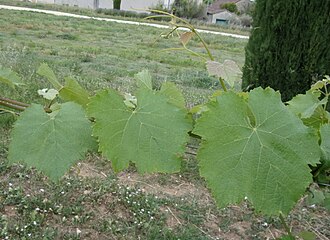
  • CHATUS

    Ampelique Grape Profile

    Chatus

    Origin, viticulture, morphology, wine styles, and place.

    Chatus is a rare black grape from the Ardèche and Cévennes edge of France, known for colour, acidity, tannin and stubborn local memory. It belongs to terraces, chestnut hills, poor acidic soils, dark berries and a revival shaped by patient growers.

    Chatus is not a polished international red grape. It is old, regional, almost lost, and strongly tied to the southern Massif Central, especially the Ardèche Cévennes. In the vineyard it is vigorous, fairly fertile, upright and adapted to poor dry acidic soils. In the glass it can be deeply coloured, firm, acidic and strongly tannic. On Ampelique, Chatus matters because it shows how a demanding grape can return from the margins with real identity.

    Grape personality

    Dark, upright, tannic, and fiercely regional. Chatus is a black grape with vigorous growth, medium to large bunches, small round berries and a firm acid-tannin frame. Its personality is rustic, resilient, demanding, mountain-edged and deeply attached to poor acidic soils and Ardèche terraces.

    Best moment

    Chestnut woods, slow meat, winter herbs, and time in bottle. Chatus feels natural with lamb, game, beef stew, lentils, mushrooms, charcuterie and aged cheese. Its best moment is cool, savoury, patient, fireside and local, when tannin has softened without losing strength.


    Chatus stands on Ardèche terraces like dark stone after rain: tannic, old, wind-marked and slowly returning to voice.


    Contents

    Origin & history

    An old Ardèche grape from the Cévennes edge

    Chatus is one of the most characterful old black grapes of the Ardèche, especially the Cévennes d’Ardèche and the southern Massif Central. It belongs to a landscape of steep terraces, chestnut trees, sandstone, schist, dry slopes, poor acidic soils and growers who had to work hard to keep vines alive on difficult ground.

    Read more

    The grape was once more widespread in parts of the south of the Massif Central and related Alpine areas, including Dauphiné and Savoie, and it is also connected with northern Italy, especially Piedmont. Yet its emotional centre remains Ardèche, where the modern revival has given Chatus a renewed local identity.

    Phylloxera, changing vineyard economics and the difficulty of cultivating old terraces pushed Chatus toward disappearance. Like many demanding heritage varieties, it was easier to abandon than to modernise. Its later recovery depended on surveys, conservatory work, clonal selection and a group of growers willing to believe that the grape still had something to say.

    Today Chatus is officially listed and classified in France, but it remains rare. Its importance is not measured only in hectares. It matters because it reconnects a difficult landscape with a dark, structured, local grape that almost vanished from practical memory.


    Ampelography

    Bronzed young leaves, pentagonal foliage and black berries

    Chatus has a strong ampelographic identity. The young shoot tip carries a high density of prostrate hairs, and the young leaves can show bronze spots. The adult leaves are pentagonal, usually with three or five lobes, and the blade may appear twisted, slightly revolute, blistered and goffered.

    Read more

    The petiolar sinus is closed and V-shaped, with lobes that may be parallel or overlapping. The teeth are medium-sized with straight sides. On the underside of the leaf, there is a low to medium density of erect and prostrate hairs. These details make Chatus more than a wine name; they give it a visible vine body.

    The bunches are medium to large, while the berries are small and round. That combination helps explain the wine’s concentration. Chatus can produce deeply coloured wines with a serious tannic frame, especially when yields are controlled and the fruit reaches full maturity.

    • Leaf: pentagonal, three or five lobes, closed V-shaped petiolar sinus.
    • Bunch: medium to large, giving the vine a generous but demanding fruit structure.
    • Berry: small, round, black-skinned and suited to deeply coloured red wines.
    • Impression: upright, dark, hairy at the shoot tip, structured in leaf and wine.

    Viticulture notes

    Vigorous, upright and made for poor acidic soils

    Chatus is fairly fertile and has an erect bearing. It can be managed with short or long pruning, but its vigor means that it needs thoughtful vineyard control. One of its most important strengths is its ability to cope with fairly poor, dry soils, especially acidic soils where other varieties may struggle.

    Read more

    This helps explain its Ardèche identity. The Cévennes terraces are not easy vineyards. They ask for vines that can handle limited fertility, dry slopes, drainage, wind and hand work. Chatus answers that landscape with strength, but not with simplicity. It is a grape that must be guided, not merely planted.

    PlantGrape describes Chatus as only slightly susceptible to downy and powdery mildew. Even so, disease pressure depends on site, canopy and season. In a variety with strong tannin and acidity, the grower’s real craft is to reach full phenolic maturity without losing the line that makes the wine alive.

    Chatus ripens mid-season, around three weeks after Chasselas in the French reference system. That timing suits its serious structure. Picked too early, it can feel angular. Picked well, it gives colour, acidity, tannin and dark fruit with real regional force.


    Wine styles & vinification

    Deep colour, high tannin and a need for patience

    Chatus produces wines that are deeply coloured, fairly acidic and above all very tannic. This is the central fact of the grape. It is not a soft early-drinking red by nature. It needs careful extraction, enough fruit maturity and often time in bottle to let the structure become expressive rather than hard.

    Read more

    Modern Chatus wines can show black cherry, blackberry, plum skin, elderberry, spice, violet, herbs, earth, leather and a faint chestnut-wood austerity. The aromatic profile depends strongly on ripeness, vinification and ageing. What tends to remain constant is the impression of dark structure.

    Winemakers have to decide how much of Chatus they want to show. Gentle extraction can make the wine more approachable, while longer ageing can reveal its deeper character. Oak may be useful when it polishes texture, but it should not disguise the grape’s regional darkness.

    The best Chatus is not merely rustic. It is serious, firm and alive. Its charm is not immediate sweetness, but the way tannin, acidity and dark fruit slowly settle into a wine that feels inseparable from its hills.


    Terroir & microclimate

    Terraces, sandstone, chestnut slopes and acidic ground

    Chatus is happiest when its vigor has something poor and stony to push against. In the Ardèche Cévennes, that often means old faïsses, dry terraces, sandstone, schist, acidic soils, chestnut country and slopes where drainage, exposure and wind shape the vine before the winemaker ever touches the fruit.

    Read more

    The grape’s adaptation to acidic soils is important. On the wrong ground, especially where limestone conditions interfere with vine balance, Chatus can be less convincing. On poor acid slopes, its natural strength becomes an advantage rather than a problem.

    Altitude and slope also matter. The grape needs warmth for maturity, but it benefits from freshness, especially because its wines already carry serious tannin. A little elevation, ventilation and diurnal range can help maintain acidity while allowing dark fruit to ripen fully.

    This is why Chatus feels so inseparable from place. It is not only a variety; it is a conversation between old terraces, dry ground, hard work, dark grapes and the slow patience required to turn firmness into beauty.


    Historical spread & modern experiments

    Nearly lost, then slowly rebuilt

    Chatus is a revival grape. French cultivated-area data show how small its modern base became, with very limited hectares in the late twentieth century before a modest recovery. The grape has never returned as a large commercial force, but it has returned strongly enough to have a recognisable identity again.

    Read more

    Certified French clones include 1046 and 1285, both linked to Ardèche selection work. A conservatory of around sixty clones was planted in Ardèche in 2001 after surveys in the south of the Massif Central and Italy. That is not glamorous work, but it is exactly how rare grapes survive.

    The modern Chatus story is also collective. It depends on local growers, cooperatives, conservation projects and drinkers willing to accept a wine that is firmer and more regional than many easy modern reds. Its revival is therefore cultural as much as viticultural.

    Chatus remains rare, but rarity is not the same as fragility. When a grape has a clear place, a strong style and growers who know why it matters, it can hold its ground even without becoming famous.


    Tasting profile & food pairing

    Black fruit, herbs, firm tannin and mountain freshness

    Chatus tastes dark and structured. The fruit may suggest blackberry, black cherry, plum, elderberry, dried fig or medlar-like ripe fruit, with notes of herbs, violet, pepper, leather, earth and chestnut. Its acidity gives lift, while tannin gives grip and ageing potential.

    Read more

    Aromas and flavors: blackberry, black cherry, plum skin, overripe dark fruit, violet, pepper, dried herbs, earth, leather, chestnut and smoky spice. Structure: deep colour, firm acidity, pronounced tannin, medium to full body and strong ageing potential.

    Food pairings: lamb shoulder, beef daube, venison, wild boar, duck, sausages, lentils, mushrooms, chestnuts, grilled aubergine, hard mountain cheeses and slow winter cooking. Chatus likes food with depth, fat and savoury patience.

    Young Chatus can feel tight, even severe. With time, the wine becomes more generous: the fruit darkens, the tannin softens and the landscape starts to show. This is a grape for patience rather than quick charm.


    Where it grows

    Ardèche first, then old Alpine and Italian traces

    Chatus is most closely associated today with the Ardèche, especially the Cévennes d’Ardèche and the south-western part of the department. Official French material also places the variety in the south of the Massif Central, in Alpine areas such as Dauphiné and Savoie, and in northern Italy’s Piedmont region.

    Read more
    • Ardèche: the modern emotional and cultural centre of Chatus revival.
    • Cévennes d’Ardèche: terraces, chestnut slopes and poor acidic soils give the grape its strongest image.
    • South of the Massif Central: the broader traditional zone where Chatus has historical roots.
    • Dauphiné, Savoie and Piedmont: additional historical or catalogue-linked areas connected to the variety.

    Even with these wider links, Chatus should be introduced first through Ardèche. That is where its revival story, cultural meaning, vineyard image and modern identity come together most clearly.


    Why it matters

    Why Chatus matters on Ampelique

    Chatus matters because it is not easy. It resists the smooth global story of wine. It asks for poor soils, careful farming, patient winemaking and drinkers who understand tannin, acidity and time. That makes it a powerful example of why rare grapes deserve attention.

    Read more

    For growers, Chatus is a heritage grape with agronomic logic: upright bearing, vigor, fertility, adaptation to poor acidic soils and a structure that can become beautiful when managed well. For winemakers, it offers a serious red style that does not need to imitate Syrah, Grenache or Cabernet.

    It also matters because the Ardèche revival shows how local identity can be rebuilt. A grape can almost disappear, then return through memory, selection, cooperation and stubborn care. That story belongs at the heart of a grape library.

    Chatus reminds us that diversity is not always gentle. Sometimes it is dark, tannic, inconvenient and deeply worth saving. Its value is the taste of place refusing to become simple.

    Keep exploring

    Continue through the ABC grape group to discover more varieties that shape classic regions, mountain vineyards, and the living architecture of wine.

    Quick facts

    Identity

    • Color: black
    • Main name: Chatus
    • Official synonyms: no officially recognised synonym in France or the EU
    • Origin: France, traditionally cultivated in the south of the Massif Central and Ardèche
    • Key area: Cévennes d’Ardèche, especially terraces and poor acidic slopes
    • Other links: Dauphiné, Savoie and northern Italy, especially Piedmont

    Vineyard & wine

    • Growth: vigorous, fairly fertile and erect in bearing
    • Pruning: can be managed with short or long pruning
    • Soils: especially well adapted to poor, dry and acidic soils
    • Phenology: budburst five days after Chasselas; maturity around three weeks after Chasselas
    • Disease note: little susceptible to downy and powdery mildew, according to PlantGrape
    • Styles: deeply coloured, acidic, very tannic red wines, often needing ageing
    • Signature: blackberry, black cherry, plum, herbs, violet, earth, leather and firm tannin
    • Viticultural note: Chatus needs maturity and restraint; its structure should be shaped, not exaggerated

    If you like this grape

    If Chatus appeals to you, explore other black grapes with firmness, regional depth and mountain or southern character. Mondeuse brings Alpine grip, Syrah gives Rhône darkness, and Carignan shows how old vines, acidity and tannin can become compelling with patience.

    Closing note

    Chatus is a grape of dark colour, old terraces and difficult beauty. It asks for poor acidic ground, careful hands and time. When treated with patience, it gives Ardèche a red voice that feels rugged, local and unmistakably alive.

    Continue exploring Ampelique

    Chatus reminds us that some grapes return not because they are easy, but because a place still recognises itself in them.

  • CLAIRETTE

    Ampelique Grape Profile

    Clairette

    Origin, viticulture, morphology, wine styles, and place.

    Clairette is a white southern French grape with late ripening, pale golden berries, discreet perfume, and a long history in Rhône, Provence, Languedoc, and sparkling wines from Die. Its beauty is quiet and sunlit: apple skin, fennel, white blossom, warm stone, and the pale calm of an old Mediterranean vine.

    Clairette is not a sharp, loud, citrus-first grape like Piquepoul, and it is not as broad as some richer southern whites. Its strength is subtler: warmth without heaviness, texture without too much perfume, and an ability to move between dry still wines, blends, sweet styles, and gentle sparkling traditions. On Ampelique, Clairette matters because it shows how an old grape can be modest, adaptable, and quietly essential.

    Grape personality

    Late, pale, and quietly versatile. Clairette is a white grape with vigorous growth, warm-climate confidence, gentle aromatics, and a naturally rounded frame. Its personality is not forceful or flamboyant, but adaptable, lightly floral, textural, and able to carry still, sparkling, dry, sweet, or blended southern styles.

    Best moment

    A southern table with herbs and soft light. Clairette feels right with grilled fish, roast chicken, fennel, goat cheese, olives, courgettes, lemon, almonds, or Provençal vegetables. Its best moment is calm, dry, lightly floral, gently textured, and made for warm food rather than dramatic display.


    Clairette is the pale breath of the south: blossom, fennel, old stone, ripe apple, and sunlight softened before evening.


    Contents

    Origin & history

    An old southern French grape with many lives

    Clairette, usually called Clairette Blanche when precision is needed, is one of the old white grapes of southern France. It belongs to the Rhône, Provence, Languedoc, Diois, Costières de Nîmes, and several Mediterranean-influenced regions where warmth, wind, limestone, and old blending traditions have shaped white wine for centuries.

    Read more

    The name Clairette is sometimes linked with clarity, brightness, or pale colour, and that feels appropriate. The grape does not usually make dramatic, deeply aromatic wines. Instead, it gives pale, gently scented whites with apple, blossom, fennel, pear, peach, and sometimes an almond-like finish. It can be modest, but never meaningless.

    Historically, Clairette has mattered in more than one form. It is part of southern Rhône white blends, it gives its name to Clairette du Languedoc and Clairette de Bellegarde, and it is connected with the sparkling traditions of Clairette de Die and Crémant de Die in the Diois. In Clairette de Die, Muscat often gives much of the overt perfume, but Clairette remains part of the regional identity.

    The grape’s story is also one of confusion. “Clairette” has sometimes been used as a synonym for other white varieties in different local contexts. On Ampelique, it is best treated carefully as Clairette Blanche: an old, late-ripening, adaptable white grape that has helped shape the southern French white-wine vocabulary.


    Ampelography

    Pale berries, southern vigour, and a restrained aromatic frame

    Clairette is a vigorous white grape that ripens late and suits warm, often poor southern sites. Its berries are pale to golden at maturity, and its wines tend to show a relatively gentle aromatic range: apple, pear, white flowers, fennel, lime blossom, peach, apricot, and sometimes a light bitter-almond note.

    Read more

    The grape’s physical character supports its wine style. Clairette is not usually about razor-sharp acidity. It tends toward roundness and texture, especially when harvested ripe. That makes it useful in blends, where it can soften, fill and lengthen the palate. In warm sites, however, acidity must be watched carefully, because Clairette can lose freshness if picked too late or handled heavily.

    It is sometimes described as versatile almost to the point of shapeshifting. Harvest earlier and it may be fresher and lighter. Harvest later and it can become rounder, more alcoholic, more honeyed, or suitable for sweet or late-harvest styles. That flexibility explains why Clairette appears in so many different wine traditions.

    • Leaf: part of the old southern French ampelographic landscape, usually discussed through regional use rather than global fame.
    • Bunch: generally productive and suited to warm, dry, well-ventilated vineyards when yields are managed.
    • Berry: white to golden at maturity, with discreet aromas and a tendency toward texture rather than sharpness.
    • Impression: vigorous, late, pale, adaptable, lightly floral, and more quietly structural than aromatic.

    Viticulture notes

    Late-ripening, vigorous, and happiest in warm poor soils

    Clairette is a late-ripening and vigorous vine that fits warm southern sites, especially where soils are poor enough to restrain excessive growth. It does not need rich, fertile ground to show its value. In fact, too much fertility can make the vine too generous and the wine too broad.

    Read more

    In the vineyard, the key is balance. Clairette can produce generously, but high yields tend to dilute its already subtle aromatic profile. Canopy management, airflow, and harvest timing are important. In humid periods, the vine can be vulnerable to downy mildew, so dry wind and open exposure are helpful allies.

    Because Clairette ripens late, it needs enough season to move beyond neutrality. Picked too early, it can be bland and hard. Picked too late, especially in very warm sites, it can become soft, alcoholic, and low in tension. The best viticulture aims for pale ripeness, delicate aroma, and enough freshness to hold the wine together.

    Clairette’s value in a warming climate is complex. It likes heat and can tolerate southern dryness, yet it does not always keep acidity as fiercely as Piquepoul or Bourboulenc. Its success depends on site choice, picking date, and whether the winemaker wants freshness, texture, sweetness, or sparkling base material.


    Wine styles & vinification

    Still, sparkling, dry, sweet, blended, and sometimes beautifully old-fashioned

    Clairette is one of southern France’s more versatile white grapes. It can be made as a dry still wine, used in southern Rhône and Provençal blends, appear in historic appellations such as Clairette du Languedoc, and contribute to sparkling wines such as Clairette de Die and Crémant de Die.

    Read more

    In southern Rhône whites, Clairette can sit beside Grenache Blanc, Bourboulenc, Roussanne, Marsanne, Picpoul, Picardan and other regional grapes. Its role is often to add pale fruit, subtle floral notes, texture, and a gentle southern dryness. It is not always the acid spine of the blend, but it can give breadth and calm.

    As a varietal dry wine, Clairette can be charming but needs careful handling. It is prone to oxidation if treated carelessly, and young dry versions are often the most direct. Expect apple, pear, peach, lime blossom, fennel and almond rather than tropical force. Some wines are deliberately more textured, with lees work or older-vine depth giving a more serious shape.

    In sweet or sparkling styles, Clairette shows another face. Late-harvest or passerillage versions can become honeyed and rounded, while sparkling wines use its regional identity and gentle profile as part of a wider blend. The grape’s story is therefore not one style, but a whole set of southern possibilities.


    Terroir & microclimate

    Warm stones, poor soils, dry wind, and southern patience

    Clairette’s natural home is warm, dry, and southern. It works in poor limestone, stony terraces, clay-limestone slopes, and Mediterranean vineyards where the vine can ripen slowly without being pushed into excessive vigour. It likes heat, but still needs balance if the wine is to remain fresh.

    Read more

    In the southern Rhône, Clairette can gain warmth, texture and delicate stone-fruit notes. In Provence and Languedoc, it often feels more Mediterranean: pale herbs, white flowers, almond, fennel and a soft dry finish. In the Diois, at higher altitude and under cooler influence, it enters a different world of sparkling and aromatic styles.

    The grape has sometimes been described as a kind of “terroir sponge”, because it can change expression depending on maturity, site and style. That does not mean it becomes loud. Rather, it absorbs context: warm stone, mountain coolness, late harvest sweetness, or the quiet frame of a blended southern white.

    Its terroir expression is therefore soft-edged rather than sharp. Clairette does not shout limestone or salt in the way some more acid-driven grapes can. It speaks through texture, pale fruit, gentle herbs, warmth, and the quiet feeling of a white wine grown in old southern light.


    Historical spread & modern experiments

    From old southern workhorse to renewed quiet interest

    Clairette spread because it was useful. It could grow in hot southern places, produce reliably, and adapt to several wine types. For a long time, that usefulness was more important than varietal fame. It became part of blends, local appellations, sparkling traditions, and regional drinking culture.

    Read more

    In earlier wine culture, grapes like Clairette were often judged by their role rather than by their individual identity. They filled out blends, added texture, offered local continuity, and helped build wines that matched regional food. Modern wine writing, with its focus on single varieties, has sometimes made these grapes look less important than they are.

    Today, interest in indigenous varieties and old Mediterranean blends gives Clairette a new context. Producers looking for lighter extraction, less obvious oak, more regional identity and more food-friendly whites may rediscover Clairette’s calm strengths. It is not a grape for copycat Chardonnay. It belongs to another aesthetic.

    Its future is likely to remain mixed: blending grape, local varietal, sparkling component, sweet-wine material, and occasional old-vine curiosity. That suits Clairette. Its value is not in being one thing everywhere, but in quietly adapting without losing its southern, pale, herbal character.


    Tasting profile & food pairing

    Apple, fennel, lime blossom, peach, almond, and soft southern texture

    Clairette usually gives gentle, pale-fruited wines rather than intensely aromatic ones. Expect apple, pear, lime blossom, white flowers, fennel, peach, apricot, almond, honeyed hints in riper styles, and sometimes a slightly bitter or oxidative edge if the wine is old-fashioned or handled without enough freshness.

    Read more

    Aromas and flavors: green apple, pear, citrus blossom, lime flower, fennel, white peach, apricot, almond skin, dried herbs, honey, and sometimes light wax or oxidation. Structure: medium body, moderate to sometimes low acidity, gentle texture, possible warmth, and a dry or softly rounded finish.

    Food pairings: grilled fish, prawns, roast chicken with lemon, fennel salad, goat cheese, olives, almonds, courgettes, artichokes, ratatouille, herb omelette, light pork, soft cheeses, and Mediterranean vegetable dishes. Clairette works best with food that welcomes texture and herbs rather than piercing acidity.

    Its charm is not always immediate in a loud tasting lineup. Clairette is better at the table, where its soft fruit, herbal detail and quiet body can make simple southern food feel complete without taking over the meal.


    Where it grows

    Rhône, Provence, Languedoc, Diois, and beyond

    Clairette grows mainly in southern France, especially across the Rhône Valley, Provence, Languedoc, Costières de Nîmes and the Diois. It also appears in smaller amounts outside France, including South Africa, where it has often been used in blending rather than promoted as a famous varietal wine.

    Read more
    • Southern Rhône: used in white blends, including Côtes du Rhône blanc, Châteauneuf-du-Pape blanc, Lirac blanc and related appellations.
    • Languedoc: important in historic Clairette du Languedoc and broader Mediterranean white-wine traditions.
    • Diois: connected with Clairette de Die and Crémant de Die, where sparkling styles define the regional identity.
    • Provence and Costières de Nîmes: part of the southern white-grape palette, often blended for texture and freshness.

    Clairette’s geography is wide but still coherent. It belongs to warm places, old blends, and southern food culture. Its best-known regions may differ in style, but they all show the grape’s ability to move between dryness, texture, sparkle, sweetness, and pale Mediterranean perfume.


    Why it matters

    Why Clairette matters on Ampelique

    Clairette matters because it shows that southern white grapes do not all serve the same purpose. Some bring acidity, some bring perfume, some bring weight. Clairette brings adaptability: a pale, lightly herbal, textured voice that can become still, sparkling, dry, sweet, young, or age-worthy depending on place and handling.

    Read more

    For growers, it offers a late-ripening vine for warm sites. For winemakers, it offers a flexible blending and styling tool. For drinkers, it explains why southern French white wine can feel old-fashioned in the best way: herbal, soft, dry, pale, and tied to food rather than spectacle.

    It also matters because it resists simple categories. Clairette can be part of a fresh white blend, a traditional sparkling wine, a richer textured white, or a sweet late-harvest style. Few grapes move so quietly across so many forms without becoming famous for just one of them.

    Its lesson is modest but important: a grape can be historically important without being fashionable. Clairette keeps old southern wine culture connected to its roots: local, useful, sunlit, and quietly human.

    Keep exploring

    Continue through the ABC grape group to discover more varieties that shape classic regions, historic blends, and the living architecture of wine.

    Quick facts

    Identity

    • Color: white
    • Main names / synonyms: Clairette, Clairette Blanche, Blanquette, Clairette de Die in wine context
    • Parentage: traditional southern French variety; exact parentage not widely established
    • Origin: southern France, especially Rhône, Provence, Languedoc and Diois contexts
    • Common regions: Rhône Valley, Languedoc, Provence, Diois, Costières de Nîmes, Clairette du Languedoc, Clairette de Die

    Vineyard & wine

    • Climate: warm, dry southern sites; also cooler Diois conditions for sparkling styles
    • Soils: poor limestone, clay-limestone, stony terraces, warm slopes and Mediterranean soils
    • Growth habit: vigorous, late-ripening, productive, best with controlled yields
    • Ripening: late, needing patience and careful timing to avoid softness or neutrality
    • Styles: dry still whites, blends, sparkling wines, sweet wines, late-harvest or passerillage styles
    • Signature: apple, pear, fennel, lime blossom, peach, apricot, almond, gentle texture
    • Classic markers: pale colour, restrained perfume, rounded palate, southern herbal detail
    • Viticultural note: can be sensitive to downy mildew and can oxidize if handled carelessly

    If you like this grape

    If Clairette appeals to you, explore southern white grapes that carry texture, freshness, herbs, and quiet Mediterranean character. Bourboulenc gives structure, Piquepoul gives citrus bite, and Grenache Blanc brings body, warmth, and soft orchard-fruit roundness.

    Closing note

    Clairette is not a dramatic grape, but it keeps a long southern memory alive: pale fruit, herbs, texture, sparkle, sweetness, and old blending wisdom. It reminds us that quiet vines can carry many generations of wine culture.

    Continue exploring Ampelique

    Clairette reminds us that some grapes do not ask to shine; they simply keep the old southern light in the glass.

  • JACQUÈRE

    Ampelique Grape Profile

    Jacquère

    Origin, viticulture, morphology, wine styles, and place.

    Jacquère is a white grape of Savoie, known for pale, fresh, alpine wines with lemon, green apple, white flowers, mountain herbs, and a clean mineral line. It is a grape of cool slopes, bright acidity, glacial stones, simple mountain food, and a refreshing clarity that feels almost like cold air in the glass.

    Jacquère deserves a focused profile because it is one of the clearest voices of Savoie. It does not try to impress through weight, oak, high alcohol, or tropical fruit. Its identity is built on lightness, acidity, pale citrus, mountain herbs, chalky freshness, and a very direct connection to alpine food culture. In the vineyard, Jacquère can be generous, but in the glass its best examples remain precise and transparent. It is the grape behind many of Savoie’s most refreshing white wines, especially in areas such as Apremont and Abymes, where mountain geology and cool air shape its crisp, stony style.

    Grape personality

    Fresh, alpine, and beautifully direct. Jacquère is not a grape of heavy texture or dramatic perfume. Its personality is brisk and transparent: lemon, green apple, white flowers, wet stone, and cool mountain air. It feels honest, refreshing, and closely tied to place.

    Best moment

    A simple alpine table with cheese, fish, herbs, and mountain freshness. Jacquère feels most natural with raclette, fondue, lake fish, trout, charcuterie, fresh cheese, herbs, salads, and dishes where crispness matters more than richness.


    Jacquère is mountain freshness made visible: lemon, stone, white flowers, cool wind, and the clean appetite of Savoie.


    Origin & history

    The crisp white grape of Savoie

    Jacquère is strongly associated with Savoie in eastern France, where it forms the backbone of several pale, crisp, mountain-influenced white wines. It is especially linked to Apremont and Abymes, areas shaped by dramatic alpine geology. The grape’s identity is not built on grandeur, but on freshness, drinkability, and a direct expression of cool slopes and stony soils.

    Read more →

    Savoie has long been a region of small mountain vineyards, local grape varieties, and wines made for regional food rather than international show. Jacquère fits that world perfectly. It is light, refreshing, and practical, but also deeply expressive when grown in the right sites.

    The grape is often linked to the historic landslide of Mont Granier, whose debris helped shape the vineyards of Apremont and Abymes. Whether approached geologically or culturally, Jacquère belongs to this landscape of broken limestone, glacial influence, and cool alpine air.

    Its modern role is important because it gives Savoie a clear, accessible white-wine signature. Jacquère is not rare in the way some alpine grapes are rare, but it is regionally specific, honest, and difficult to confuse with broader international styles.


    Ampelography

    Pale fruit, high freshness, and a light frame

    Jacquère is a white grape that usually gives light-bodied wines with bright acidity, pale colour, and clean citrus-driven fruit. Its berries do not naturally lead to heavy, oily, or strongly aromatic wines. Instead, the grape gives clarity: lemon, green apple, pear skin, white flowers, herbs, and a cool mineral sensation that often feels more structural than perfumed.

    Read more →

    The grape’s appeal lies in restraint. Jacquère is not neutral exactly, but it is subtle. Its aromas are pale and clean rather than intense: lemon water, green apple, alpine flowers, wet stone, and sometimes a faint herbal edge. This makes it particularly refreshing with food.

    Jacquère can be productive, so quality depends on avoiding dilution. When yields are too high or sites are too cool, the wines can become thin. When the grape is managed well, it gives a beautifully clean expression of alpine freshness: light in weight, but not empty.

    • Leaf: Part of a vigorous alpine vine that benefits from balanced canopy work and good exposure.
    • Bunch: Can be generous, so yield management is important for concentration and definition.
    • Berry: Pale green to yellow at maturity, giving citrus, apple, floral, and mineral-driven wines.
    • Impression: A light, fresh white grape whose beauty lies in clarity, acidity, and alpine directness.

    Viticulture notes

    Generous growth that needs control

    Jacquère can produce generously, which is both useful and risky. In a cool mountain region, productivity helps make it practical, but too much crop can reduce flavour and leave the wine thin. Good viticulture aims for balance: enough fruit to keep the grape’s easy freshness, but not so much that citrus, flowers, and mineral definition disappear.

    Read more →

    Savoie’s slopes are often complex: changing exposures, mountain shadows, limestone scree, glacial deposits, and varying altitudes. Jacquère needs sites that allow ripening without sacrificing acidity. Too little ripeness makes the grape severe; too much softness removes its purpose.

    Canopy work and airflow are important, especially in mountain weather where humidity and sudden changes can affect fruit health. The grape’s fresh style depends on clean fruit. Oxidised, overcropped, or poorly ripened grapes quickly make wines that feel dull rather than crisp.

    The best Jacquère comes from discipline rather than intensity. It does not need to become powerful. It needs to remain clean, bright, lightly textured, and unmistakably alpine.


    Wine styles & vinification

    Dry, pale, crisp, and made for the table

    Jacquère is usually made as a dry white wine designed for freshness and early drinking. Stainless steel and other neutral vessels are common because the grape’s strength is clarity. The best wines are pale, crisp, lightly floral, and mineral, with lemon, green apple, pear, white flowers, and a clean finish that feels especially natural beside alpine food.

    Read more →

    Apremont and Abymes are among the classic names for Jacquère-based wines. These styles are rarely about cellar ambition. They are about freshness, place, and usefulness: wines that cut through cheese, refresh after salt, and make simple mountain meals feel complete.

    Lees ageing can add a little texture, but heavy oak would usually work against the grape. Jacquère does not need decoration. Its value lies in its clean architecture: acidity, pale fruit, mineral lift, and a thirst-quenching finish.

    Some examples can show more depth than expected, especially from better sites and careful yields, but Jacquère remains at its best when it is not forced into grandeur. Its beauty is refreshment with regional character.


    Terroir & microclimate

    Limestone debris, cool slopes, and alpine air

    Jacquère is closely linked to Savoie’s alpine terroirs: limestone slopes, scree, glacial material, cool valleys, lake influence, and mountain air. In places such as Apremont and Abymes, the grape reflects a landscape marked by stone and altitude. The wines often feel pale and mineral because the environment itself pushes them toward freshness and clarity.

    Read more →

    The famous limestone debris around Apremont and Abymes gives Jacquère one of its strongest terroir associations. These wines can feel almost like liquid geology: light, sharp-edged, and stony, with fruit that stays pale and restrained.

    Cool nights and mountain air help preserve acidity, while sunny exposures allow enough ripeness for citrus and apple notes to emerge. This balance is essential. Without ripeness, Jacquère can feel severe; without freshness, it loses its alpine identity.

    Its terroir language is not rich or expansive. It is narrow, clean, and refreshing: lemon, white flowers, mountain herbs, chalk, and wet stone. That precision is the grape’s deepest charm.


    Historical spread & modern experiments

    A local grape with renewed interest

    Jacquère has remained largely local to Savoie and nearby alpine France. It never became a global white grape, but modern interest in mountain wines has given it new visibility. Drinkers looking for lighter, fresher, lower-alcohol whites have rediscovered the grape’s appeal: direct, regional, food-friendly, and refreshingly free from international polish.

    Read more →

    Historically, Jacquère was often seen as a practical local grape, well suited to everyday wines and alpine food. Its reputation was not always glamorous. But that practicality is now part of its charm. In a world of powerful whites, Jacquère offers a different kind of pleasure.

    Modern producers may work with cleaner fruit, better site selection, controlled yields, and more careful lees handling. These improvements can give the grape more definition without changing its nature. Jacquère should remain light and alpine, not inflated.

    Its limited spread makes it valuable in a grape library. Jacquère is a reminder that some varieties matter because they are close to one place, one cuisine, and one landscape, rather than because they travel everywhere.


    Tasting profile & food pairing

    Lemon, green apple, white flowers, herbs, and wet stone

    Jacquère usually tastes pale, fresh, and mineral. Typical notes include lemon, lime, green apple, pear skin, white flowers, mountain herbs, chalk, wet stone, and sometimes a faint saline edge. The body is light, the acidity is lively, and the finish is clean. Its pleasure is not complexity alone, but refreshment with a strong sense of place.

    Read more →

    Aromas and flavors: Lemon, lime, green apple, pear, white flowers, alpine herbs, chalk, wet stone, and a clean mineral note. Structure: Light body, bright acidity, pale colour, dry finish, and a refreshing, food-friendly profile.

    Food pairings: Raclette, fondue, alpine cheeses, charcuterie, trout, lake fish, fresh goat cheese, salads, herb omelette, shellfish, and simple dishes with lemon or herbs. Jacquère works beautifully where salt, fat, and freshness meet.

    The grape is especially useful at the table because it clears the palate without demanding attention. It is simple in the best sense: clean, direct, regional, and deeply drinkable.


    Where it grows

    Savoie, Apremont, Abymes, and alpine France

    Jacquère grows most meaningfully in Savoie, where it is the main grape behind several of the region’s crisp white wines. Apremont and Abymes are especially important names, but the grape also appears more widely in Savoie’s alpine vineyards. Its range is not global; its importance comes from being closely adapted to one mountain region.

    Read more →
    • Savoie: The grape’s principal home and the core of its cultural and viticultural identity.
    • Apremont: A classic source of pale, crisp, mineral Jacquère wines shaped by limestone debris and alpine freshness.
    • Abymes: Another key expression, often associated with light, dry, stony wines made for regional food.
    • Nearby alpine France: Small related plantings and mountain contexts where freshness remains central.

    Jacquère is most convincing when it tastes local. It should feel like Savoie: cool, pale, stony, refreshing, and close to the mountain table.


    Why it matters

    Why Jacquère matters on Ampelique

    Jacquère matters because it shows the beauty of lightness. Not every important grape needs power, prestige, or age-worthiness. Some grapes matter because they carry a place honestly. Jacquère gives Savoie one of its clearest signatures: pale fruit, sharp freshness, limestone, alpine air, and a style of wine built for food rather than spectacle.

    Read more →

    For Ampelique, Jacquère is important because it balances grapes such as Altesse and Gringet. Altesse brings more texture and honeyed depth. Gringet brings rarity and delicacy. Jacquère brings the region’s most direct expression of crisp alpine refreshment.

    It also teaches a useful lesson about grape value. A variety does not have to be famous worldwide to matter. Jacquère matters because it belongs somewhere very clearly. It is regional, practical, food-friendly, and transparent.

    That makes Jacquère a beautiful Ampelique grape. It is not grand, but it is precise. It gives the reader a glass of mountain clarity: lemon, stone, white flowers, cool air, and appetite.

    Keep exploring

    Continue through the JKL grape group to discover more varieties that shape classic regions, historic blends, and the hidden architecture of wine.

    Quick facts

    Identity

    • Color: white
    • Main names / synonyms: Jacquère, Jacquere
    • Parentage: Traditional Savoie variety; exact parentage not usually central to its identity
    • Origin: Strongly associated with Savoie in eastern France
    • Common regions: Savoie, Apremont, Abymes, Chignin, and nearby alpine French vineyards

    Vineyard & wine

    • Climate: Cool to moderate alpine climates with fresh nights, mountain air, and bright exposures
    • Soils: Limestone debris, glacial deposits, scree, marl, and well-drained mountain-influenced soils
    • Growth habit: Can be productive; quality depends on balanced yields and clean fruit
    • Ripening: Needs enough maturity for citrus and apple fruit while preserving acidity and freshness
    • Styles: Dry alpine white, Apremont, Abymes, light mineral white, fresh table wine
    • Signature: Lemon, lime, green apple, pear, white flowers, mountain herbs, chalk, wet stone, and bright acidity
    • Classic markers: Pale colour, light body, crisp acidity, low to moderate alcohol, and clean mineral freshness
    • Viticultural note: Jacquère is strongest when yield control protects flavour without losing its natural lightness

    If you like this grape

    If you like Jacquère, explore other alpine or light-bodied white grapes. Altesse gives a softer, more honeyed Savoie expression, Gringet offers rare mountain delicacy, and Chasselas shares a quiet, pale, mineral freshness in several alpine and lake-influenced regions.

    Closing note

    Jacquère is a grape of alpine clarity. It does not need weight to be memorable. Its beauty lies in lemon, stone, flowers, herbs, and the refreshing honesty of Savoie: light, clean, local, and deeply connected to the mountain table.

    Continue exploring Ampelique

  • SÉMILLON

    Ampelique Grape Profile

    Sémillon

    Origin, viticulture, morphology, wine styles, and place.

    Sémillon is one of the world’s great quiet white grapes: golden-skinned, textural, long-lived, and deeply associated with Bordeaux and Hunter Valley. It is not famous because it shouts. It matters because it can carry wax, citrus, hay, lanolin, honey, noble rot, and age with a calm authority few white varieties can match.

    Sémillon can seem modest in youth, especially beside more aromatic grapes such as Sauvignon Blanc or Riesling. Yet that modesty is part of its secret. It has a way of gathering depth slowly: lemon turning to wax, pear to honey, straw to toast, freshness to golden persistence. It is a grape of patience, texture, vulnerability, and remarkable transformation.

    Semillon Grape leaf close up
    Sauternes vineyard Bordeaux France
    Semillon grape cluster close up
    Grape personality

    The quiet alchemist.
    Sémillon is calm, waxy, golden and patient: a grape that can turn modest citrus fruit into honey, lanolin, toast and age-worthy depth.

    Best moment

    Late lunch, golden light.
    Roast chicken, shellfish, soft cheese, honeyed richness, quiet conversation and a wine that reveals itself slowly.


    Sémillon does not hurry to impress.
    It waits, gathers wax, straw, honey and time, then turns quietness into one of white wine’s deepest forms of grace.


    Origin & history

    A Bordeaux white with a golden second life

    Sémillon is most deeply associated with Bordeaux, where it became essential to both dry and sweet white wine. In dry Bordeaux, especially in Graves and Pessac-Léognan, it brings body, roundness, waxy texture and ageing potential, often beside the sharper line of Sauvignon Blanc. In Sauternes and Barsac, it takes on an even more dramatic role: as the main grape behind some of the world’s greatest botrytised sweet wines. Few white grapes have such a strong double identity.

    Read more →

    Its historical prestige was never built on obvious perfume alone. Sémillon does not behave like Muscat, Gewürztraminer or Sauvignon Blanc. Its language is quieter: lemon, pear, straw, wax, lanolin, honey, gentle nuts and an almost oily texture. That quietness can make young Sémillon seem understated. With time, however, it can become one of the most complex white grapes in the world. Its greatness often appears gradually rather than immediately.

    The grape’s second great story belongs to Australia, especially Hunter Valley. There, Sémillon developed a dry style unlike Bordeaux: often low in alcohol, unoaked, lemony and almost austere when young, yet capable of ageing into toast, honey, wax and remarkable complexity. This Australian identity is crucial because it proves that Sémillon is not only a Bordeaux blending grape or a sweet wine vehicle. It can stand alone as a profound dry white variety.

    Today, Sémillon matters because it resists easy classification. It can be quiet or rich, dry or sweet, broad or tense, youthful or very long-lived. It is a grape that rewards the drinker who listens closely.


    Ampelography

    Golden berries, calm foliage and a vulnerable skin

    Sémillon is not a dramatic-looking vine. Its leaves are usually medium-sized, rounded to slightly pentagonal, with three to five lobes that are present without being deeply sculptural. The overall field impression is balanced, practical and quietly vigorous. Its identity is less about visual flamboyance than about what the fruit can become: textural, golden, waxy, and capable of remarkable change through ripening, botrytis and bottle age.

    Read more →

    The bunches are usually medium-sized and may be moderately compact. The berries are golden-skinned when ripe, and their relatively thin skins are central to the grape’s entire story. Thin skins make Sémillon susceptible to botrytis, sunburn and rot pressure in the wrong conditions. Yet in the right sweet wine landscape, that same susceptibility becomes the opening through which noble rot can create concentration, honey, saffron, apricot and enormous persistence.

    This is one of the reasons Sémillon is so interesting as a grape, not only as a wine style. Its physical vulnerability is not separate from its greatness. The same berry structure that can create risk in the vineyard can also enable some of the most profound sweet wines ever made. Sémillon lives on that edge between fragility and depth.

    • Leaf: medium-sized, rounded to slightly pentagonal, usually 3–5 lobes
    • Bunch: medium-sized, often moderately compact
    • Berry: golden-skinned, relatively thin-skinned, prone to botrytis
    • Impression: calm, practical, productive, quietly noble

    Viticulture

    Productive, sensitive, and shaped by timing

    Sémillon can be productive and reliable, but quality depends strongly on balance. If yields are too generous, the grape may become broad, neutral or heavy. If farmed with discipline, it can develop shape, waxy depth, citrus line and the kind of quiet structure that supports long ageing. It is not usually a grape of high aromatic fireworks. It needs texture, freshness and careful timing to become expressive.

    Read more →

    In Bordeaux, Sémillon often benefits from its partnership with Sauvignon Blanc. The vineyard logic is partly structural: Sémillon brings texture and breadth, while Sauvignon Blanc brings sharper acidity and aromatic lift. For sweet wines, the logic changes. There, the aim is to allow botrytis to develop under the right conditions, usually through a delicate combination of morning mist, autumn humidity, dry afternoons and careful harvest passes.

    Hunter Valley presents a different viticultural logic. There, Sémillon is often picked early, before high sugar, preserving freshness and moderate alcohol. The young wines can seem almost austere: lemony, taut, light and restrained. But with bottle age, they develop remarkable complexity without needing heavy oak or obvious winemaking decoration. This makes Hunter Valley Sémillon one of the great examples of how picking decisions can define an entire regional style.

    Disease pressure is always part of the conversation. Botrytis can be noble or destructive depending on timing, site and intention. Sunburn can also be a concern because of the grape’s skin. The best growers treat Sémillon not as an easy neutral white, but as a variety whose greatness depends on reading the season with care.


    Wine styles

    From restrained dry whites to golden botrytis

    Sémillon’s style range is wide, but its personality remains recognizable. In dry wines it often shows lemon, pear, hay, straw, beeswax, lanolin, gentle nuts and a rounded, almost waxy texture. In blends, especially with Sauvignon Blanc, it adds body and depth. In sweet wines affected by noble rot, it can become golden, honeyed, apricot-rich, saffron-scented and extraordinarily persistent. Its power is not usually sharp aromatics. Its power is transformation.

    Read more →

    Dry white Bordeaux often uses Sémillon as a textural counterweight to Sauvignon Blanc. The best examples are not merely blends of convenience. They show how Sémillon can broaden the palate, add age-worthiness and soften the bright edge of Sauvignon Blanc without erasing freshness. With time, these wines may develop wax, honey, toast, herbs and a deeper savoury complexity.

    Hunter Valley Sémillon is perhaps the most distinctive dry expression. It can begin life pale, light, citrus-driven and almost narrow. Then, with years in bottle, it develops toast, lemon butter, wax, honey and nutty complexity, often without having seen new oak. This ageing curve is one of the great mysteries and pleasures of the variety. Sémillon proves here that quiet wines can become profound through time alone.

    In Sauternes and Barsac, noble rot changes everything. Botrytis concentrates sugar, acidity and flavour, transforming the grape into a source of honey, marmalade, apricot, saffron, dried citrus and immense length. These wines are luxurious, but the greatest ones are not merely sweet. They are balanced by acidity, bitterness, texture and time. Sémillon provides the golden body that makes them last.


    Terroir

    A grape that reads microclimate more than drama

    Sémillon is terroir-sensitive, but not always in an obvious aromatic way. It does not usually announce soil and climate through piercing perfume. Instead, place appears through texture, weight, acidity, waxiness, botrytis development, fruit tone and ageing rhythm. One site may produce a lean, citrus-led wine. Another may give broader pear, wax and honey. In sweet wine regions, microclimate becomes almost the whole story, because noble rot depends on a precise balance of humidity and drying conditions.

    Read more →

    In Bordeaux, gravel, clay-limestone and mixed soils can support different expressions, but Sémillon’s most famous transformations often rely on climate as much as soil. In Sauternes and Barsac, morning mists from local water influences can encourage botrytis, while drier afternoons help prevent destructive rot. The grape’s thin skin allows the process to take hold. Without that microclimatic choreography, the same variety would not become the same wine.

    In Hunter Valley, the terroir lesson is almost opposite. The region is warm, yet cloud cover, rainfall patterns, early picking and long local experience create a style that is light in alcohol and built for slow bottle development. This shows how Sémillon does not respond to climate in a simple way. Human timing and regional tradition are part of its terroir expression.

    Sémillon therefore teaches a subtle lesson. Not every terroir grape is loud. Some speak through texture, timing and age. Sémillon is one of those.


    History

    From noble Bordeaux to rediscovered dry white

    Sémillon’s history has moved through prestige, neglect and rediscovery. In Bordeaux, it never really disappeared from importance, because it remained central to Sauternes, Barsac and white Bordeaux blends. But as global wine markets became more varietal and aroma-driven, Sémillon often struggled for attention. It is not an easy grape to explain quickly. It does not always taste impressive in youth. Its deepest virtues may require age, context and patience.

    Read more →

    Australia kept another part of the story alive. Hunter Valley Sémillon showed that the grape could become iconic in dry form, and that a white wine did not need obvious fruit, high alcohol or strong oak to age beautifully. South Africa, Chile and other regions have also preserved old plantings or renewed interest in the variety, often through more careful farming and less heavy-handed winemaking.

    Modern Sémillon has benefited from a wider reappraisal of texture in white wine. Drinkers who once focused mainly on perfume and acidity are increasingly interested in mouthfeel, phenolic shape, old vines, restrained aromatics and bottle development. That shift suits Sémillon well. It is a grape for people who like the quieter architecture of wine.

    This makes the grape feel newly relevant. It is old-fashioned in the best sense: agricultural, patient, textural and not built for instant applause. Yet that is precisely why it feels valuable now.


    Pairing

    A grape for texture, richness and gentle depth

    Dry Sémillon works especially well where texture matters. Its waxy body and gentle citrus make it a natural partner for shellfish, roast chicken, richer fish dishes, soft herbs, creamy sauces and cheeses. Sweet Sémillon, especially botrytised versions, belongs to a different table: foie gras, blue cheese, pâté, fruit desserts, almond pastries and salty-rich contrasts. Few grapes can move so naturally from restraint to opulence.

    Read more →

    Aromas and flavors: lemon, pear, quince, straw, hay, beeswax, lanolin, honey, toast, almond, apricot, marmalade and saffron depending on style and age. Structure: usually textural rather than sharply aromatic, with medium body in dry wines and deep concentration in noble-rot wines.

    Food pairings: oysters, scallops, roast chicken, creamy fish, crab, lobster, pâté, soft cheeses, Comté, blue cheese, foie gras, apricot tart, almond cake and fruit-based desserts in sweeter versions. Dry Sémillon loves food with roundness. Sweet Sémillon loves food with salt, fat or fruit.

    The key is not to treat Sémillon as merely neutral. Its strength is subtle shape. It can support a dish without dominating it, then quietly deepen the whole experience through texture and length.


    Where it grows

    A Bordeaux grape with an Australian voice

    Sémillon’s main homes remain France and Australia. Bordeaux gives the grape its classical frame: dry blends in Graves and Pessac-Léognan, and sweet wines in Sauternes, Barsac and related appellations. Hunter Valley gives it a second iconic identity: dry, light, unoaked, citrus-led and long-lived. Beyond these centres, Sémillon appears in South Africa, Chile, Argentina, California, Washington, New Zealand and other regions, sometimes as a varietal wine and often as a blending partner.

    Read more →
    • France: Bordeaux, Graves, Pessac-Léognan, Sauternes, Barsac, Cérons
    • Australia: Hunter Valley, Barossa Valley, Margaret River and other regions
    • South Africa: old-vine and blended expressions, including historic Cape plantings
    • Americas: Chile, Argentina, California, Washington and smaller plantings elsewhere
    • Elsewhere: New Zealand and selected warm to moderate regions

    Its distribution reflects its usefulness. It can provide body in blends, nobility in sweet wines, and surprising longevity in dry wines. But it is at its best where growers understand that quiet fruit still needs exact farming.


    Why it matters

    Why Sémillon matters on Ampelique

    Sémillon matters on Ampelique because it broadens the idea of what greatness in a white grape can look like. Not every important grape is highly perfumed, sharply acidic or instantly charming. Some grapes matter because they hold texture, time and transformation. Sémillon is one of those. It reminds us that subtlety can be a kind of power.

    Read more →

    It is also a perfect grape for explaining why morphology matters. Thin skins, botrytis sensitivity, golden berries and moderate compactness are not just vineyard details. They shape the entire cultural meaning of Sémillon. Without those physical traits, Sauternes and Barsac would not exist in the same way. Without careful early picking, Hunter Valley Sémillon would not have its extraordinary ageing story.

    The grape also helps connect readers to blending. In a world that often celebrates single varieties, Sémillon shows the intelligence of partnership. With Sauvignon Blanc, it becomes part of one of the great white wine conversations: freshness meeting wax, citrus meeting body, edge meeting depth. It teaches that a grape can be essential even when it is not always alone on the label.

    For Ampelique, Sémillon is therefore not a minor supporting grape. It is a quiet pillar: a variety that carries Bordeaux history, Australian identity, botrytis magic, dry-white restraint and the slow beauty of age.


    Quick facts

    • Color: white
    • Parentage: exact parentage not firmly established; historic French white variety from the Bordeaux world
    • Origin: France, strongly associated with Bordeaux
    • Most common regions: Bordeaux, Sauternes, Barsac, Graves, Pessac-Léognan, Hunter Valley, Barossa Valley, Margaret River, South Africa, Chile, Argentina, California and Washington
    • Climate: moderate to warm; also successful where early picking preserves freshness
    • Soils: gravel, clay-limestone, mixed Bordeaux soils and well-drained vineyard sites
    • Styles: dry white, blended white, unoaked age-worthy white, noble-rot sweet wine
    • Signature: waxy texture, golden fruit, lanolin, honey, age-worthiness and botrytis affinity
    • Classic markers: lemon, pear, hay, beeswax, lanolin, honey, apricot, saffron and toast with age

    Closing note

    A great Sémillon is never only about fruit. It is about wax, patience, golden skin, careful timing and the strange beauty of transformation. It can be quiet, but it is not small. It can be hidden inside a blend, yet still give the wine its body and future. Few white grapes show so clearly how time can turn restraint into depth.

    If you like this grape

    If you appreciate Sémillon’s waxy texture, golden depth and quiet ageing ability, you might also enjoy Sauvignon Blanc for its brighter Bordeaux partner role, Chenin Blanc for another age-worthy white with many styles, or Chardonnay for a more famous white grape with texture, place and longevity.

    A quiet white grape with golden patience — modest in youth, profound when time begins to speak.