Ampelique Grape Profile
Syrah
Origin, viticulture, morphology, wine styles, and place.
A world classic dark grape of Rhône origin, celebrated for perfume, structure, and the rare ability to unite savory depth with sensual fruit: Syrah can be peppery and cool, smoky and mineral, floral and dark-fruited, or broad and sunlit, yet at its best it remains a grape of tension and character. Few red varieties speak so vividly in both whisper and thunder.
Syrah is one of the world’s great paradox grapes. It can be severe and silken, violet-scented and meaty, black-fruited and almost stony. It can feel Northern Rhône severe, Australian expansive, Mediterranean dark, or mountain-born and tense. At the highest level, Syrah is not simply powerful. It is articulate.

Syrah carries darkness with lift. It can smell of violets and black olive, of pepper and stone, as though shadow itself had learned elegance.
Contents
Origin & history
A Rhône-born classic with a voice of shadow, spice, and lift
Syrah is historically rooted in the Rhône Valley, especially the northern Rhône, where it reached one of the most compelling forms any red grape has ever achieved. In places such as Hermitage, Côte-Rôtie, Cornas, Saint-Joseph, and Crozes-Hermitage, Syrah became a medium for wines that could be smoky, peppery, dark-fruited, mineral, floral, and age-worthy all at once. It is one of the rare red varieties whose greatness depends not merely on richness or tannin, but on the tension between darkness and lift.
Read more →
Modern DNA research clarified that Syrah is the offspring of Dureza and Mondeuse Blanche, two varieties from southeastern France. That finding matters because it places the grape firmly in a French historical context and quietly dissolves the romantic myths that once linked it to Persia and the city of Shiraz. Those myths were attractive because Syrah feels dramatic enough to have traveled from legend. But its true story is, in its own way, better: a French grape that became universal not through mythology, but through intrinsic force and distinctiveness.
Its later journey across the world gave it multiple identities. In Australia, often under the name Shiraz, it became a major national red grape capable of everything from generous, sunlit, full-bodied wines to highly site-conscious, peppery, fine-boned examples. In South Africa, California, Washington, Chile, Argentina, and Mediterranean Europe, Syrah found new homes and new accents. Yet even in its most international forms, the memory of the Rhône remains close. Great Syrah often still carries some trace of that northern Rhône dialect: black fruit, savory depth, pepper, floral lift, and a mineral edge beneath the surface.
Syrah’s history is therefore a story of expansion without erasure. It traveled far, but it did not become anonymous. This is one reason it belongs among the world classics. It is recognizable enough to carry identity across continents, yet subtle enough to remain shaped by site in meaningful ways.
Ampelography
A dark-skinned vine of intensity and contour
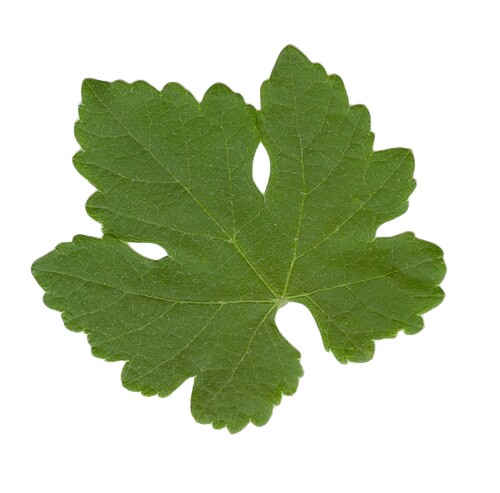
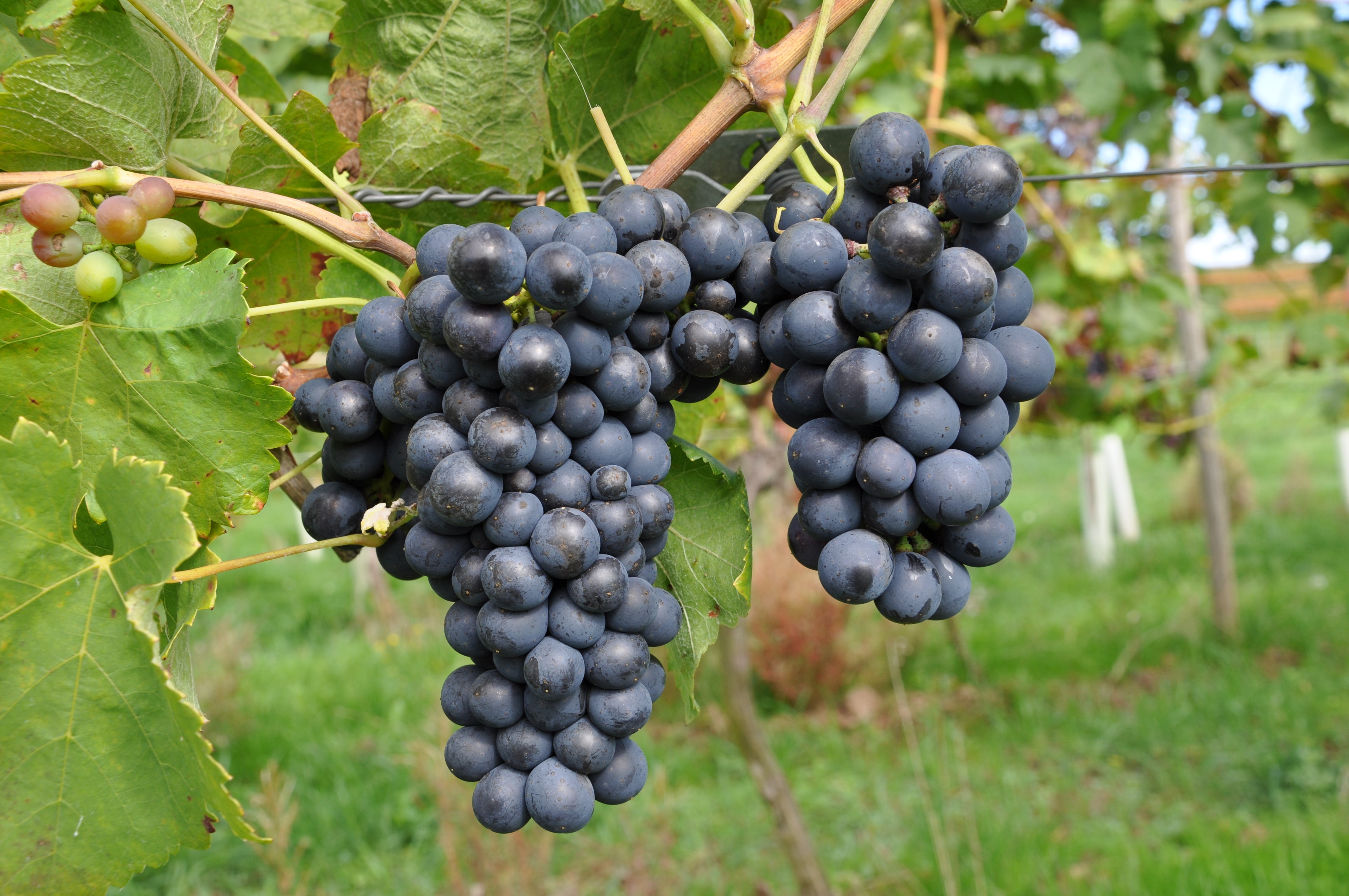
Syrah’s morphology supports its reputation for color, concentration, and structure. The bunches are typically medium-sized, often relatively compact, with small to medium berries and dark, pigment-rich skins. Leaves are medium and characterful, with a structured outline that feels neither broad nor soft. Visually, the vine suggests density and purpose. It is not a casual-looking grape. Even in the vineyard, Syrah often seems to gather itself inward.
Read more →
Those dark skins and modest berry size are critical to the wine’s eventual profile. Color extraction, savory phenolics, and tannic frame all begin there. Syrah’s power is never only a matter of sugar or body. It is materially built into the fruit. This is one reason even lighter-bodied examples can still feel dark in tone and serious in structure. The grape carries a certain intrinsic gravity.
Yet Syrah is not merely a grape of force. Its morphology also supports aromatic lift. The most compelling wines often show violets, cracked pepper, olive, smoke, and a kind of dark freshness that would be impossible if the variety were only about mass. In other words, Syrah’s physical form gives rise both to intensity and to finesse. That duality defines much of its greatness.
- Leaf: medium-sized, structured, clear outline
- Bunch: medium, often compact
- Berry: small to medium, dark, pigment-rich
- Impression: concentrated, taut, aromatic within darkness
Viticulture
A grape of warmth, precision, and narrow margins
Syrah is a grape that needs enough warmth to ripen fully, but not so much heat that it loses shape, savory complexity, and aromatic lift. This makes it exquisitely dependent on the quality of warmth rather than warmth alone. The finest Syrah sites often offer sunshine by day, relief by night, and enough season to build fruit depth without cooking it into blunt sweetness. In cooler climates it can become peppery, strict, and violet-scented; in warmer zones it may move toward blackberry, plum, olive paste, chocolate, and fuller weight.
Read more →
Site exposure and soil are therefore critical. In the northern Rhône, steep slopes and poor granitic soils help produce wines of tension and dark mineral detail. In Mediterranean climates or warmer New World settings, altitude, aspect, and diurnal range often become essential tools for preserving energy. Syrah does not want to be rushed. It wants a ripening arc with enough sunlight to mature tannins and enough restraint to keep perfume alive.
Viticulturally, Syrah can be demanding. It may suffer from drought stress in certain climates, and bunch compactness can increase disease risk under humid pressure. Vigor management matters, as does crop load. Overcropped Syrah can become hollow at the center while retaining a dark shell of color and tannin — a disappointing outcome that demonstrates how much the grape depends on internal concentration rather than surface drama.
The best Syrah is therefore grown with an almost musical sense of tension. Enough stress, but not too much. Enough ripeness, but not excess. Enough exposure, but never bleaching. When that balance is achieved, Syrah becomes one of the world’s most expressive red varieties.
Wine styles
From black pepper and violet to smoke, olive, and velvet-dark fruit
Syrah’s aromatic range is one of the most seductive in red wine. It can smell of blackberry, black cherry, plum skin, violet, cracked black pepper, smoked meat, olive tapenade, graphite, lavender, cured bacon, rosemary, and dark spice. Yet to list its aromas is only to circle it. Syrah is as much about movement as about notes. Great Syrah often begins in darkness, then rises suddenly into fragrance. That lift is one of its signatures.
Read more →
Cooler-climate Syrah, especially in northern Rhône-like conditions, may emphasize pepper, violets, smoked stone, olive, and a leaner line of black fruit. Warmer-climate versions can become broader and more plush, with richer blackberry, plum, cocoa, licorice, and sweet spice. Australian Shiraz, particularly in warmer regions, may show more generosity, chocolate, and opulence, while cooler Australian examples can recover some of the peppery, floral detail that links back to Rhône sensibilities.
Winemaking can either deepen or distort this profile. Whole-cluster fermentation may amplify pepper, herbal complexity, and verticality. Oak can add smoke, cedar, cocoa, vanilla, and additional breadth. Extraction choices determine whether tannins feel firm and architectural or hard and drying. Syrah responds strongly to stem inclusion, vessel choice, and élevage, but unlike some more neutral grapes, it rarely disappears under technique. It pushes back. It retains identity.
With age, Syrah can become haunting. The fruit deepens and darkens, while savory notes emerge more fully: leather, black olive, smoke, dried herbs, game, and earth. The finest examples remain energetic as they mature. They do not simply soften; they grow more layered, more resonant, and more human. Syrah can age into a kind of noble dusk.
Terroir
A red grape that translates geology into tone and texture
Syrah is one of those grapes that can carry site not only through flavor, but through mood. Granite, schist, altitude, wind, and solar exposure all seem to alter not just what the wine tastes like, but how it feels. A granitic, cool-climate Syrah may come across as tensile, peppery, stony, and darkly floral. A warmer alluvial or Mediterranean version may feel broader, darker, and more enveloping. The grape keeps its signature, but terroir changes its posture.
Read more →
In Côte-Rôtie, slope and schist can produce wines of fragrance and elegance almost unexpected for such a dark grape. In Hermitage, Syrah can become more monumental and architectural, with a broader chest and deeper bass notes. Cornas often shows a more uncompromising, darker register. In Australia, site differences between Barossa, Eden, Clare, Heathcote, or cooler regions become obvious in terms of body, spice, sweetness of fruit, and tannic shape. Syrah does not erase these places. It carries them forward.
This terroir sensitivity is part of what separates fine Syrah from merely rich Syrah. The latter may be dark, dense, and impressive for a moment. The former has coordinates. You can feel where it comes from — cool slope, warm valley, dry stone, ocean wind, mountain light. That locational intelligence is why Syrah remains so important to serious growers and drinkers alike.
Unlike some more overtly fruity varieties, Syrah often carries a mineral or savory undertow that gives terroir another dimension to work with. This makes it especially compelling. Place is not only tasted in fruit profile, but in the grain of the wine itself.
History
From Rhône nobility to global plurality
Syrah’s historical life is fascinating because it has produced not one global image, but several. In the northern Rhône, it became a grape of classical stature and relative scarcity — admired, serious, and tied to steep, often difficult vineyard sites. In Australia, as Shiraz, it became a grape of far greater scale and broader cultural familiarity, capable of making both everyday wine and monumental icons. These two trajectories did not cancel each other. They enriched the grape’s possibilities.
Read more →
The late twentieth century brought a wider international rise. Syrah became a prestige variety in many warm and moderate climates, often helped by the success of Rhône-inspired blends and by the appeal of a grape that could deliver both perfume and density. In some places the grape was pushed toward sheer sweetness of fruit and oak-driven amplitude. In others, growers pursued cooler, tighter, more site-led versions. As with many classics, expansion produced both simplification and refinement.
Today the grape benefits from that plurality. Drinkers can encounter Syrah as Côte-Rôtie perfume, Hermitage gravitas, Cornas wildness, Barossa depth, cool-climate Australian clarity, South African edge, or New World mountain tension. This multiplicity is one reason Syrah remains exciting. It is a classic still capable of surprise.
The modern return toward freshness, restraint, and site transparency has especially benefited the grape. Syrah does not need to be exaggerated to be memorable. In fact, it often becomes more profound when it is allowed to remain tense, aromatic, and darkly luminous rather than simply large.
Pairing
A red for smoke, char, herbs, and dark savory depth
Syrah belongs naturally with foods that answer its darkness, spice, and savoriness. Grilled lamb, roast game, smoked meats, black olives, rosemary, peppered dishes, mushroom preparations, and deeply reduced sauces all make sense with the grape’s profile. Unlike some broader reds, Syrah often loves savory complexity as much as protein. It is a grape that understands char, herbs, and the edge of smoke.
Read more →
Aromas and flavors: blackberry, black cherry, plum, violets, pepper, olive, smoke, cured meat, lavender, graphite, licorice, and dark spice. Structure: medium to full body, notable tannin, dark fruit intensity, and a savory-mineral undercurrent that can be as important as the fruit itself.
Food pairings: grilled lamb chops, venison, duck, sausages, black olive tapenade, aubergine dishes, mushroom ragout, pepper-crusted beef, and slow-cooked meats with herbal depth. Cooler, more peppery Syrahs work beautifully with game and rosemary. Broader, warmer-climate examples can handle sweeter glazes, smoky barbecue notes, and richer reductions.
One of Syrah’s culinary gifts is that it can make savory details seem more vivid. Olive, pepper, smoke, fat, herb, and char all come into sharper focus. The best pairings with Syrah do not merely match its weight. They answer its complexity.
Where it grows
A global red with a northern Rhône memory
Syrah now grows across the wine world, but its emotional and stylistic center remains in the Rhône. France, especially the northern Rhône, still gives the reference language for the grape. Australia made Shiraz a defining national red variety and demonstrated its breadth at scale. South Africa, California, Washington, Chile, Argentina, Spain, and parts of Italy and Switzerland all contribute important versions, especially in climates or sites that preserve tension alongside ripeness.
Read more →
- France: northern Rhône above all, plus southern Rhône blends
- Australia: Barossa, McLaren Vale, Eden Valley, Clare, Heathcote, cooler regions and beyond
- South Africa: important for savory, site-conscious Syrah
- United States: California, Washington State, and select cooler sites
- Elsewhere: Chile, Argentina, Spain, Italy, Switzerland, and more
Its global success comes from an unusual combination of recognizability and flexibility. Syrah can adapt to many climates, yet still allow site to remain audible. That is why the grape has become both widely planted and endlessly interesting.
Why it matters
Why Syrah matters on Ampelique
Syrah matters on Ampelique because it demonstrates that a red grape can be both deeply expressive and stylistically plural without becoming generic. It teaches that power is not a sufficient category. A great Syrah is not memorable simply because it is dark or full. It is memorable because of how darkness is handled: with pepper, floral lift, savory depth, and site-derived contour.
Read more →
It is also a grape that helps readers understand the relationship between old-world and new-world identities without reducing that conversation to cliché. Syrah and Shiraz are not two different grapes, but they can represent different emphases, climates, and cultural histories. Few varieties illustrate that interpretive flexibility so clearly. The same genetic material can become Côte-Rôtie perfume, Cornas severity, Barossa amplitude, or cool-climate Australian precision. That is a lesson in both viticulture and language.
For Ampelique, Syrah is especially valuable because it brings together many themes the platform wants to map: place, tone, morphology, climate, naming, and the emotional identity of a grape. Syrah is not merely a technical subject. It is one of the varieties through which wine becomes unmistakably cultural. It smells not only of fruit, but of landscape and habit.
That is why it deserves a major place in any serious grape library. To understand Syrah is to understand that red wine can be fragrant without fragility, savory without dullness, and powerful without losing mystery.
Quick facts
- Color: red
- Origin: Rhône Valley, France
- Parentage: Dureza × Mondeuse Blanche
- Climate: moderate to warm, with value placed on freshness
- Soils: granite, schist, varied poor or well-drained sites, plus many global equivalents
- Styles: savory, peppery, floral, structured, plush, age-worthy
- Signature: dark fruit, pepper, violets, smoke, savory depth
- Classic markers: blackberry, olive, pepper, lavender, smoked meat, mineral tension
Closing note
A great Syrah is never only dark. It is dark made articulate — lifted by violet, sharpened by pepper, steadied by stone, and given shape by the slow intelligence of place.
Image credits
Leaf/detail image: Wikimedia Commons – Joey Martoni
Vineyard landscape image: Wikikedia Commons – Alain Rouiller
Syrah cluster image: Julius Kühn Institute https://www.vivc.de/ – Doris Schneider
A world classic, and one of red wine’s clearest lessons in how darkness can still carry light.
 Ampelique
Leave a comment