Ampelique Grape Profile
Malbec
A dark-fruited grape of altitude, violet, and evening light.
Malbec is one of the world’s most recognizable dark red grapes, famous today for the deep, violet-scented wines of Argentina, yet rooted historically in southwest France. It is a grape of color, generosity, altitude, and contrast: dark in the glass, often soft in texture, but at its best held together by freshness, floral lift, and a quiet mineral line. It can be plush and immediate, but also firm, savory, and deeply expressive of place.
Malbec’s beauty lies in the way it gathers light. In Mendoza it catches mountain sun and cool Andean nights. In Cahors it carries a darker memory of limestone, old terraces, and firmer tannin. Between those two worlds, the grape reveals its real character: not simply big, not merely soft, but capable of turning depth into perfume and richness into shape.
The violet shadow.
Malbec is generous, dark-fruited and quietly floral: absorbing sun, stone and cool nights, then giving them back as plum, violet, velvet and a soft but serious depth.
Firelight, mountain air.
Grilled beef, roasted vegetables, dusk over the table, and a glass that feels warm in fruit but cool in its final breath.
Malbec ripens first in color, then in depth, then in perfume.
In the right place, it gathers sunlight and evening cool into the same dark fruit.
Contents
Origin & history
A French origin, an Argentine awakening
Malbec is often associated today with Argentina, but its deeper roots are in southwest France. There it was long known under names such as Côt and Auxerrois, and it played a meaningful role in regions like Cahors, where it helped shape the dark, firm wines once described as “black wines.” It also appeared historically in Bordeaux, though over time it became less important there because of its sensitivity to weather, uneven fruit set, and its sometimes irregular performance in cooler, wetter years.
Read more →
The grape’s modern identity changed dramatically when it crossed the Atlantic. In Argentina, especially in Mendoza, Malbec found conditions that suited it beautifully: bright mountain light, dry air, irrigation control, and cool nights that preserved freshness. There it became not just successful, but emblematic. The grape that had once been a regional French variety grew into one of the clearest symbols of South American fine wine.
Even so, France never lost it completely. Cahors remains an important home for Malbec, though the style there is often firmer, earthier, darker and more structured than many Argentine examples. The contrast between these two homes has helped people understand the grape more clearly. Malbec is not only plush and fruit-driven. It can also be savory, strict, calcareous, and deeply tied to site. It can speak in velvet, but also in stone.
Today Malbec is planted in Argentina, France, Chile, the United States, Australia, South Africa and smaller pockets elsewhere. Yet the grape still seems to need a certain combination of warmth, light, and enough freshness to keep it from becoming heavy. When it finds that balance, it can be one of the most satisfying red grapes in the vineyard and in the glass.
Ampelography
Dark berries, rounded leaves, and generous color
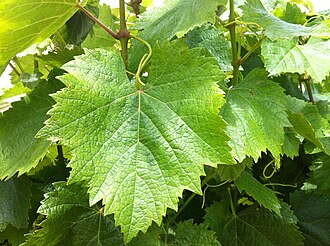
Malbec leaves are medium to large and generally round to slightly pentagonal in outline. They usually show three to five lobes, with moderate sinuses and a petiole sinus that is often open and U-shaped to lightly lyre-shaped. The upper surface is smooth to lightly textured, and the margins are regular and moderately toothed. In the vineyard, Malbec has a practical, generous look rather than a delicate one.
Read more →
The underside of the leaf may show fine hairs along the veins. Young leaves can carry a faint bronze or coppery tint early in the season, a small detail that gives the growing vine a warmer visual character before the canopy settles into mature green. In balanced vineyards, the canopy can look neat and reasonably open, though on fertile soils Malbec may become more vigorous and require careful shoot positioning, leaf work and fruit-zone management.
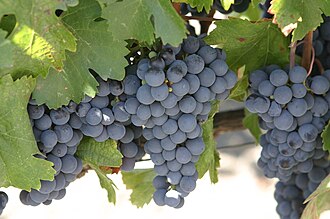
Clusters are medium-sized, conical to cylindrical-conical, and sometimes winged. They may be moderately compact depending on fruit set and site. Berries are medium-sized, round, and dark blue-black, with skins that carry plenty of color. This is one reason Malbec wines often show such a deep purple or almost black hue in youth. The grape announces itself visually long before the nose begins to speak.
- Leaf: medium to large, rounded to slightly pentagonal
- Petiole sinus: open, often U-shaped to lightly lyre-shaped
- Bunch: medium-sized, conical, sometimes winged
- Berry: medium-sized, dark blue-black, strongly pigmented
- Impression: generous, dark, expressive and deeply colored
Viticulture
Sunlight, airflow, and the discipline of freshness
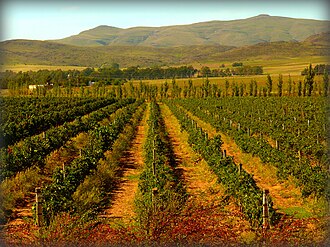
Malbec usually performs best in places where it can ripen fully under bright conditions without losing freshness too quickly. It tends toward moderate vigor, though soil fertility and water availability can push it further. In richer sites, canopy management becomes important to prevent excessive shading and to maintain fruit-zone airflow. The grape likes light, but it also needs relief: a pause in the form of cool nights, altitude, dry air or well-drained soils.
Read more →
Vertical shoot positioning is common in many modern Malbec vineyards, especially where growers want precise control over light, canopy density and fruit exposure. Yield management is equally important. If cropped too heavily, the grape can lose concentration and become less defined. If cropped in balance, it often gives wines with dark fruit, supple texture, floral lift and a pleasing tension between richness and freshness. The best Malbec feels abundant, but not swollen.
Malbec can be sensitive around flowering, and in some seasons poor fruit set or coulure can reduce yields. That makes vineyard rhythm important from early in the year. It is not a grape that simply carries itself without care. Its best expression usually comes from growers who understand both its generosity and its vulnerabilities. In dry regions, disease pressure may be lower, but irrigation, water stress and sun exposure still need careful judgment.
Very cool, damp places can be difficult, since Malbec may struggle with full ripening and fruit set. Very hot, flat sites can also reduce detail and push the wine toward heaviness. The best vineyards give the grape both sunlight and relief. This is why altitude has become so important to modern Malbec: it allows the grape to ripen deeply while keeping the final wine alive.
Wine styles
Dark fruit, violet lift, and many shades of structure
Malbec can be made in a range of styles, but the most familiar examples are deeply colored, dark-fruited reds with moderate to full body and a supple, approachable texture. In warmer New World expressions, the grape often shows plum, blackberry, blueberry, violet, cocoa and sweet spice, with soft tannins and immediate charm. In more traditional or cooler expressions, it may feel firmer, earthier, more savory and more structured.
Read more →
Because the fruit brings so much color and flavor naturally, extraction does not need to be forced. Heavy-handed cellar work can turn Malbec into something dense but simple. The best examples allow the grape’s natural darkness to breathe. Oak is often used, sometimes with very good effect, but balance matters. Malbec can handle wood, yet too much new oak may cover its floral side and make the wine feel sweeter, heavier or less connected to site.
It also works in blends, where it adds color, fruit depth, softness and flesh. In Bordeaux it historically played that role, though it has largely receded there. In southwest France and Argentina, varietal Malbec has become the grape’s clearest modern identity. These wines can range from easy, dark and generous to serious, high-altitude and age-worthy. The best modern versions are not simply bigger. They are more precise.
Malbec’s great stylistic advantage is emotional immediacy. It tends to give pleasure quickly: color, fruit, softness, aroma. But its deeper interest appears when that generosity is disciplined by altitude, limestone, cool nights or thoughtful farming. Then the wine keeps its abundance while gaining a spine. That is where Malbec becomes more than charming. It becomes memorable.
Terroir
Where sun needs a shadow
Malbec responds clearly to place. In cooler or more calcareous sites, it often feels firmer, more floral, more tannic and more savory. In warmer, sunnier places it becomes rounder, darker and softer in texture. Altitude can be especially important, since cool nights help preserve acidity and give shape to what might otherwise become a very broad wine. Malbec needs sun, but its most beautiful expressions also need shadow, whether from night air, elevation, stone or restraint.
Read more →
In Cahors, limestone and terrace sites can shape darker, more structured expressions. The wines may carry black fruit, earth, firm tannin, iron-like savor and a more serious frame. In Mendoza, alluvial soils at altitude often give a softer but still structured style, with dark fruit and violet notes held together by freshness. Even within Mendoza, differences in altitude, soil texture, stone content and water availability can change the wine’s tone significantly.
Gravel, limestone, alluvial fans, sandy loams and well-drained stony soils can all suit the grape, provided the season offers enough light and ripening. On heavier or more fertile soils, vigor may need stronger control. On very hot sites, fruit can become jammy and lose its floral line. On higher or cooler sites, Malbec may keep a vivid aromatic lift: violet, blueberry skin, mountain herbs and a firmer mineral shape.
Microclimate matters because Malbec’s ripening rhythm depends on both light and relief. Too little warmth leaves it strict; too much warmth without freshness can make it feel heavy. The best examples come from places where the grape can keep both depth and definition. It is a dark grape, but its greatness often depends on contrast.
History
From Cahors darkness to Mendoza light
Malbec’s modern journey is one of the clearest examples of how a grape can find a new home without losing its past. Argentina transformed the grape’s global image, showing that it could make wines of generosity, perfume and polish. At the same time, regions like Cahors continued to preserve a firmer, more traditional expression that reminds drinkers of the grape’s French roots. The result is a variety with two strong identities rather than one simple story.
Read more →
For many wine drinkers, Malbec first became familiar as a generous Argentine red: dark, smooth, affordable, satisfying and easy to understand. That accessibility helped it travel quickly in global markets. But the grape’s real modern development has moved beyond simple fruit and softness. Producers increasingly explore altitude, old vines, soil identity, whole-bunch nuance, concrete, larger oak, and earlier picking to preserve energy. The trend is often toward fresher, more site-driven wines rather than simply darker or bigger ones.
Cahors has also changed. While the region still protects Malbec’s darker and more structured face, many producers now seek more polish, precision and drinkability without abandoning depth. The old image of severe black wine has softened, but the region’s limestone seriousness remains. This makes Cahors an important counterpoint to Mendoza: one reminds us of Malbec’s bones, the other of its fruit and light.
The best modern Malbecs show that the grape does not need to choose between generosity and intelligence. It can offer both. It can be approachable without becoming simple, dark without becoming heavy, and polished without losing its deeper agricultural memory.
Pairing
A natural partner for smoke, char, and depth
Malbec is one of the most natural red grapes for grilled, roasted and smoky food. Its dark fruit, generous body and generally approachable tannin make it friendly with beef, lamb, sausages, roasted vegetables, mushrooms, empanadas, hard cheeses and dishes with charred edges. Softer New World styles pair easily with barbecue and roasted meats, while firmer versions work beautifully with richer stews, earthy dishes and slower cooking.
Read more →
Aromas and flavors: blackberry, black plum, blueberry, violet, cocoa, licorice, dark cherry and sometimes earth, leather, tobacco, graphite or dried herbs depending on place and age. Structure: usually medium to full-bodied, with moderate acidity, dark fruit and tannins that can range from soft and velvety to firm and chewy depending on origin and handling.
Food pairings: grilled beef, lamb chops, steak, sausages, empanadas, roast peppers, mushrooms, lentil stews, smoked aubergine, hard cheeses, barbecue, burgers and slow-cooked meat dishes. The grape’s dark fruit loves browning, smoke and spice, while its floral side can lift dishes that might otherwise feel heavy.
Malbec is not only a steak wine, even if that pairing can be excellent. It also works beautifully with vegetable dishes that carry smoke, sweetness or earth: grilled peppers, roasted squash, mushrooms, aubergine, black beans and spiced lentils. The key is depth of flavor. Malbec likes food with warmth, but the best pairings leave room for its violet note to rise.
Where it grows
A grape of two great homes
Malbec has two great reference points: southwest France and Argentina. France gives the grape its origin, its older names, and the darker structure of Cahors. Argentina gives it its modern global image, especially through Mendoza and its high-altitude vineyards. Between these two homes, Malbec shows how one variety can be reshaped by climate, culture and landscape without losing its essential identity.
Read more →
In Argentina, Mendoza remains the central name, but regions such as Salta, the Uco Valley, Patagonia and other high-altitude zones have expanded the grape’s vocabulary. Salta can bring intensity and high-elevation brightness. Patagonia can show cooler restraint. The Uco Valley has become especially important for more precise, site-conscious Malbec, where altitude, stones and cool nights can shape wines of perfume and clarity.
- Argentina: Mendoza, Uco Valley, Luján de Cuyo, Salta, Patagonia
- France: Cahors, southwest France, small plantings in Bordeaux and elsewhere
- South America: Chile and smaller plantings in neighboring regions
- Elsewhere: California, Washington State, Australia, South Africa and selected warm-climate vineyards
Why it matters
Why Malbec matters on Ampelique
Malbec matters on Ampelique because it tells one of the most vivid stories of migration, reinvention and place. Few grapes have changed their global image so dramatically. In France, Malbec was dark, firm and local. In Argentina, it became generous, polished and internationally loved. Yet the best examples from both worlds show that this is not a simple before-and-after story. It is a story about how a grape can be completed by a new landscape.
Read more →
It also helps readers understand that color and depth do not have to mean heaviness. Malbec can be deeply pigmented and still lifted. It can be soft without being simple. It can be powerful without becoming hard. This makes it a useful grape for exploring the difference between richness and balance. In the glass, Malbec often feels generous; in the vineyard, that generosity only becomes beautiful when it is shaped by site and restraint.
For Ampelique, Malbec is also a bridge between old Europe and the modern wine world. It connects Cahors and Mendoza, limestone and alluvial fans, black wine and violet-scented altitude, tradition and reinvention. It shows how grape varieties are not fixed objects, but living relationships between plant, place, climate, farming and culture.
That is why Malbec deserves more than its familiar image as a steak-house red. It is a grape of depth, migration and evening light. It carries a dark color, but its best wines are not dark in spirit. They are generous, fragrant, grounded and alive.
Quick facts
- Color: red
- Parentage: Prunelard × Magdeleine Noire des Charentes
- Origin: southwest France, especially associated with Cahors
- Climate: moderate to warm; especially strong where days are bright and nights are cool
- Soils: limestone, gravel, alluvial fans, sandy loams, well-drained stony soils
- Styles: deeply colored varietal reds and blending wines
- Signature: dark fruit, violet, color, supple texture, altitude freshness
- Classic markers: blackberry, plum, violet, cocoa, licorice, earth, tobacco
Closing note
A great Malbec is never only about darkness. It is about how color becomes perfume, how richness finds shape, and how sunlight can be held in balance by altitude, stone and night air. It is one of the clearest reminders that generosity can still have detail, and that depth can be soft without becoming simple.
Image credits
Malbec leaf image: Wikimedia Commons – Agne27.
Malbec vineyard image: Wikimedia Commons – PABLO GONZALEZ.
Malbec cluster image: Wikimedia Commons – Ian L.
If you like this grape
If you appreciate Malbec’s dark fruit, violet lift and soft but serious structure, you might also enjoy Merlot for its plushness, Cabernet Franc for its aromatic freshness, or Syrah for a darker, peppery red with more savory depth.
A dark grape with a luminous edge — generous in fruit, but most beautiful when mountain air or limestone keeps it awake.
 Ampelique
Leave a comment