Tag: Italian grapes

Italian grape profiles. Origin, ampelography, viticulture tips and quick facts. Use color filters to narrow results.

  • TEROLDEGO

    Ampelique Grape Profile

    Teroldego

    Origin, viticulture, morphology, wine styles, and place.

    Teroldego is a black grape from Trentino, known for deep colour, dark fruit, lively acidity, and a distinctly alpine sense of energy: It can be juicy and rustic, floral and mineral, dark and structured, or unexpectedly elegant when grown with care. Its personality is not built on sheer weight, but on the tension between black fruit, mountain freshness, alluvial soils, and a local identity that remains strongly tied to Campo Rotaliano.

    Teroldego is one of northern Italy’s most individual red grapes. It has the colour and fruit depth of a serious black variety, but it rarely loses the brightness of its alpine setting. At its best, it feels rooted, vivid, dark-fruited and lifted at once: a grape of mountain plains, cool nights, gravelly soils and quiet regional confidence.

    Grape personality

    The dark alpine native of Trentino.
    Teroldego is a black grape of deep pigment, blackberry fruit, violet lift, lively acidity and mountain-shaped structure.

    Best moment

    Mountain food, dark fruit, earthy depth.
    Think grilled sausage, mushrooms, polenta, roast meats, alpine cheeses, game, herbs and cool-evening northern Italian dishes.


    Teroldego carries darkness without heaviness: blackberry, violet, stone, earth and alpine air held together by a cool, vivid line.


    Origin & history

    A Trentino native rooted in the alluvial plain of Campo Rotaliano

    Teroldego is one of the signature native grapes of Trentino in northern Italy. Its strongest home is Campo Rotaliano, a distinctive alluvial plain near the Adige and Noce rivers, framed by mountains and shaped by gravel, sand, silt and centuries of river movement. Few grapes are so closely tied to one compact landscape. This gives Teroldego a strong regional identity: not simply Italian, not simply alpine, but unmistakably Trentino.

    Read more →

    Historically, Teroldego was valued for giving deeply coloured wines with freshness, substance and a certain mountain wildness. It was not a delicate background grape. Even in simple forms, it tends to show dark fruit, violet, earth and energy. The variety belongs to a world of cool nights and warm days, river stones and open sky, where ripeness develops without entirely losing tension.

    Its name has often been connected to local geography and dialect, and its identity has long remained more regional than international. That is part of its charm. Teroldego did not become famous by adapting itself to a global style. It became meaningful by remaining specific. It tells the story of Trentino through pigment, acidity, dark berries and stony freshness.

    Modern growers have helped reveal the grape’s seriousness by managing yields more carefully, focusing on better sites and allowing the fruit to remain vivid rather than heavy. As a result, Teroldego today can be understood not only as a rustic local red, but as one of northern Italy’s most compelling native black grapes.


    Ampelography

    A dark-berried vine with strong pigment and mountain vitality

    Teroldego is a black grape with berries that can produce very deep colour. This pigment is one of the first things people notice in the wine, but the grape should not be reduced to colour alone. Its physical character supports a wine style that can be dark and fresh at the same time. Bunches are usually medium-sized, often conical or cylindrical-conical, and berries are round, blue-black to black, with skins capable of giving intensity without necessarily creating heaviness.

    Read more →

    The leaves are generally medium-sized, rounded to slightly pentagonal, often with three to five lobes. They tend to give a sturdy and practical impression rather than a delicate one. In the vineyard, Teroldego looks like a working mountain grape: balanced, vigorous enough to need attention, and capable of carrying generous fruit if not controlled.

    This morphology matters because Teroldego’s quality depends on more than ripeness. The grape’s natural colour and fruit depth can make a wine seem impressive early, but real distinction comes from healthy berries, balanced crop levels and retained acidity. A dark Teroldego without freshness loses its essential character. A dark Teroldego with freshness becomes something much more compelling.

    • Leaf: medium-sized, rounded to slightly pentagonal, usually 3–5 lobes
    • Bunch: medium-sized, conical to cylindrical-conical, moderately compact
    • Berry: medium, round, dark blue-black to black, strongly pigmented
    • Impression: dark, vigorous, structured, fresh and strongly local

    Viticulture

    A productive vine that needs restraint to reveal its precision

    Teroldego can produce generous crops, and this productivity is one of the reasons careful vineyard management matters so much. If yields are too high, the grape may still give colour and fruit, but the wine can lose definition. The best Teroldego usually comes from vines where crop load, canopy growth and ripening are held in balance. This is how the grape keeps its dark fruit while retaining shape and alpine freshness.

    Read more →

    The classic environment for Teroldego offers an unusual combination: warm enough days for full colour and flavour, but cool enough nights to preserve acidity. The alluvial soils of Campo Rotaliano help regulate vigour and drainage, while the surrounding mountains create a strong sense of seasonal rhythm. This combination supports the grape’s best personality: ripe but not flat, dark but not heavy, fresh but not thin.

    Canopy management is important because fruit-zone health and even ripening are essential. Too much shading can soften aromatic definition and reduce precision. Too much exposure can push the fruit into a broader, warmer profile. Growers therefore seek a middle path: enough sunlight for ripe dark fruit, enough shade and airflow to keep energy and freshness intact.

    Teroldego’s viticultural lesson is clear. It is easy to get colour. It is harder to get clarity. The grape becomes most serious when growers treat freshness, balance and site expression as just as important as pigment and yield.


    Wine styles

    From juicy mountain red to darker, structured and age-worthy styles

    Teroldego is usually made as a dry red wine with deep colour, dark fruit, lively acidity and moderate tannin. In youthful, fruit-forward forms, it can be juicy, vivid and immediately appealing, with blackberry, black cherry, plum and violet. In more serious expressions, it can become darker, more mineral, more structured and more layered, while still retaining the lift that separates it from heavier warm-climate reds.

    Read more →

    Winemaking can shape the final impression strongly. Stainless steel and short ageing can preserve the grape’s fresh, dark fruit and floral side. Larger neutral vessels can support texture without covering the alpine character. Oak can add polish and depth, but too much new wood risks making Teroldego feel less local. The grape’s best voice is usually clearest when fruit, acidity and mountain earth remain visible.

    Teroldego can also show a faintly rustic side, especially in more traditional or less polished wines. That rusticity should not automatically be seen as a fault. When balanced, it gives the grape a sense of place: herbs, earth, bitter almond, mineral darkness and wild berry rather than simple sweetness. The danger comes only when rusticity turns coarse or fruit becomes overworked.

    At its best, Teroldego proves that dark red wine can still feel cool, energetic and alive. It has the colour of a powerful grape, but the movement of a mountain wine.


    Terroir

    Alluvial soils, mountain air and the dark freshness of Trentino

    Teroldego expresses terroir through contrast. Its wines can be deeply coloured and dark-fruited, yet also bright, floral and mineral. That contrast comes from place: warm valley conditions, cool mountain influence, alluvial soils and large diurnal shifts. Campo Rotaliano is especially important because it gives the grape a natural frame: enough warmth for colour, enough drainage for structure, enough alpine air for freshness.

    Read more →

    The soils of the traditional area are not heavy in the usual sense. They are shaped by rivers and stones, and that matters. Good drainage helps control vigour, while the varied alluvial material can contribute to wines that feel earthy, mineral and fresh. Teroldego in such conditions does not only become ripe. It becomes articulated.

    Microclimate also shapes the grape’s aromatic register. Warmer sites can emphasise plum, blackberry and broader fruit. Cooler or more balanced sites can bring violet, black cherry, herbs and a firmer line of acidity. The best wines are not necessarily the biggest. They are the ones that preserve Teroldego’s inner brightness.

    This is why Teroldego’s terroir should be understood as energetic rather than merely geographical. Place shows itself in whether the grape’s darkness can remain alive.


    History

    From regional workhorse to one of Trentino’s clearest native voices

    For much of its history, Teroldego was known mainly within its home region. It did not travel internationally in the way Sangiovese, Nebbiolo or Barbera did. This limited spread kept the grape somewhat hidden, but it also preserved its strong local meaning. Teroldego remained connected to Trentino’s landscape and food culture rather than being remade as a generic red.

    Read more →

    Modern quality work has changed its image. Better vineyard selection, more controlled yields and cleaner cellar practices have shown that Teroldego can be more than rustic and dark. It can be precise, floral, mineral and elegant while still carrying deep fruit. This shift has helped the grape gain more respect among drinkers interested in native Italian varieties.

    There have also been modern experiments with fermentation vessels, oak regimes, extraction levels and more natural approaches. Some producers emphasise freshness and drinkability; others aim for depth and age-worthiness. The best results usually avoid turning Teroldego into a heavy international red. The grape’s real strength lies in being dark and local, not dark and anonymous.

    Its modern story is therefore one of clarification. Teroldego has not needed reinvention so much as better listening. When growers allow it to remain itself, it becomes one of the most distinctive black grapes of northern Italy.


    Pairing

    A dark alpine red for mushrooms, sausage, polenta and mountain food

    Teroldego is a natural partner for foods that combine savoury depth, earthiness and moderate richness. Its dark fruit works well with roast meats and sausage, while its acidity keeps the wine from becoming heavy at the table. This makes it especially useful with northern Italian mountain food: polenta, mushrooms, speck, game, stews, alpine cheeses and dishes with herbs or smoke.

    Read more →

    Aromas and flavors: blackberry, black cherry, plum, violet, wild herbs, earth, mineral tones and sometimes a bitter-almond or dark-stone edge. Structure: deep colour, lively acidity, medium to full body, moderate tannin and a fresh finish that gives movement to the dark fruit.

    Food pairings: grilled sausage, roast pork, venison, mushrooms, polenta, speck, alpine cheeses, herb-roasted chicken, lentils, beetroot, smoky dishes and northern Italian plates with earthy depth.

    The best pairings work because Teroldego brings contrast. It has enough fruit for savoury food, enough acidity for fat, and enough earthiness for dishes rooted in mountain cooking.


    Where it grows

    A local grape with its strongest voice in Trentino

    Teroldego grows most importantly in Trentino, especially around Campo Rotaliano. There are small plantings elsewhere, and the grape has attracted interest among producers who like native Italian varieties, but its strongest identity remains local. This is one of the reasons it is so valuable. It is not a grape that has been absorbed into a global template. It still speaks most clearly from its home.

    Read more →
    • Italy – Trentino: the defining home of Teroldego
    • Campo Rotaliano: the classic alluvial plain most closely associated with the grape
    • Northern Italy: limited additional plantings and regional interest
    • Elsewhere: small experimental plantings, usually among producers interested in Italian native grapes

    Its limited spread should not be seen as weakness. Teroldego’s value lies precisely in its strong connection to place.


    Why it matters

    Why Teroldego matters on Ampelique

    Teroldego matters on Ampelique because it is a strong example of a grape whose meaning is inseparable from place. Many varieties travel widely and become international. Teroldego has remained more concentrated, more local, more tied to Trentino’s mountain plain. That makes it especially valuable for understanding how geography can shape grape identity.

    Read more →

    It also teaches that dark colour does not always mean heaviness. Teroldego can be intensely pigmented, but its best examples remain fresh, agile and lifted. This is an important lesson for a grape library: visual intensity and palate weight are not the same thing. A black grape can carry depth while still feeling alive.

    For readers exploring Italian grapes, Teroldego is a valuable counterpoint to Sangiovese, Nebbiolo, Barbera and Dolcetto. It has a different accent: less Tuscan, less Piedmontese, more alpine, darker in colour, and shaped by river soils and mountain air. It broadens the idea of what native Italian red grapes can be.

    For Ampelique, Teroldego is therefore not just a regional curiosity. It is a grape of pigment, place, freshness and identity: a black grape that shows how local roots can make a variety feel larger than its planting area.


    Quick facts

    • Color: black
    • Main names / synonyms: Teroldego
    • Parentage: historic northern Italian variety; closely linked to the Trentino grape family
    • Origin: Italy, Trentino
    • Common regions: Trentino, especially Campo Rotaliano
    • Climate: moderate alpine-influenced climate with warm days and cool nights
    • Soils: alluvial, gravelly, well-drained river-influenced soils
    • Growth habit: productive enough to need yield control and canopy balance
    • Ripening: best when full colour and fruit maturity develop without losing acidity
    • Disease sensitivity: requires good airflow, healthy bunches and clean fruit for precision
    • Styles: fresh dark reds, structured alpine reds, juicy youthful wines and more serious age-worthy bottlings
    • Signature: blackberry, violet, plum, acidity, dark colour and mountain freshness
    • Classic markers: black cherry, blackberry, plum, herbs, earth, violet, mineral edge
    • Viticultural note: Teroldego’s best quality depends on balancing natural productivity with freshness and site expression

    Closing note

    Teroldego is a black grape of mountain darkness: violet, blackberry, river stones, cool nights and earthy depth. Its beauty lies in the way it keeps freshness inside colour, and local identity inside every dark-fruited line.

    If you like this grape

    If you are interested in Teroldego’s dark alpine profile, you might also explore Lagrein for another northern Italian dark grape, Marzemino for a softer Trentino relation, or Syrah for a broader comparison of dark fruit, violet and savoury structure.

    A dark alpine grape from Trentino, shaped by river stones, mountain air and black-fruited freshness.
  • CATARRATTO

    Ampelique Grape Profile

    Catarratto

    Origin, viticulture, morphology, wine styles, and place.

    Catarratto is one of Sicily’s great white grapes, ancient, generous, sun-adapted and most deeply rooted in the western part of the island. Its beauty is not fragile perfume, but dry light, citrus peel, sea wind, almond skin, pale herbs and the wide agricultural memory of Sicily.

    Catarratto is often treated as familiar because it has been so widely planted, but the grape deserves more careful attention. Behind its everyday reputation lies a fascinating Sicilian vine: vigorous, productive, resilient in heat, capable of fresh dry whites, part of the Marsala tradition, and increasingly valued for wines with texture, citrus, herbs and saline firmness. On Ampelique, Catarratto matters because it shows how an old workhorse can become expressive when yield, site and cellar are handled with care.

    Grape personality

    Generous, sun-wise, vigorous, and resilient. Catarratto is a white grape shaped by Sicily’s dry light, warm slopes and long growing seasons. Its personality is practical rather than delicate: productive, adaptable, structured, citrus-edged and quietly stubborn, with quality rising when its natural abundance is disciplined.

    Best moment

    Seafood, lemon, warm stone, and evening wind. Catarratto feels right with grilled fish, caponata, sardines, shellfish, lemon pasta, young cheese, almonds and herbs. Its best moment is Sicilian and unhurried: bright food, salty air, a shaded terrace and a white wine that refreshes without becoming thin.


    Catarratto carries Sicily in pale gold: citrus, herbs, sea wind and the steady patience of vines trained beneath a generous sun.


    Contents

    Origin & history

    An ancient Sicilian white with workhorse roots and new precision

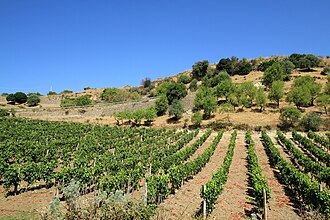
    Catarratto is one of Sicily’s historic white grape varieties and one of the island’s most widely planted native grapes. Its deepest identity lies in western Sicily, especially around Trapani, Palermo and Agrigento, though it appears across the island. It belongs to a landscape of dry wind, limestone hills, sea influence, old alberello vines, broad skies and vineyards that have long needed grapes able to handle heat and abundance.

    Read more

    The name Catarratto is often linked to the idea of abundance, which suits the variety well. Historically, it was valued because it could produce reliable crops in Sicily’s demanding conditions. That made it central to many everyday wines and to the Marsala tradition, where local white grapes such as Catarratto, Grillo and Inzolia formed part of a larger cultural and commercial story.

    There are two important registered forms: Catarratto Bianco Comune and Catarratto Bianco Lucido. They are often discussed separately because they differ in appearance and reputation, with Lucido generally associated with a cleaner, less heavily bloomed berry surface and often a more refined image. In practice, both belong to the broader Catarratto family that shaped Sicilian white wine for centuries.

    Today Catarratto is being reconsidered. Where it was once dismissed as merely productive, good growers now show that careful farming, lower yields, old vines and sensitive vinification can give wines with freshness, texture, citrus, almond, herbs and a distinctly Sicilian savoury line. Its story is not only volume, but renewal.


    Ampelography

    Large clusters, pale berries and a vine built for Sicilian light

    Catarratto is a white grape whose ampelographic character reflects its practical history. Catarratto Bianco Comune typically has medium-large to large bunches, often long, winged and cylindrical-conical or pyramidal. The bunches can be medium-compact to compact, which explains why airflow, canopy balance and careful disease management still matter, even in a dry Mediterranean climate.

    Read more

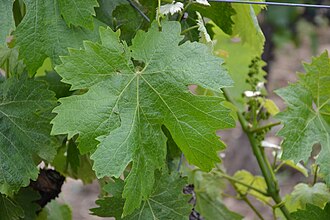
    The berries are generally small to medium, elliptical or spherical, with green-grey skins that may turn warmer or pinkish on the sun-exposed side. Catarratto Bianco Lucido often appears more “lucid” because the berry surface has less bloom, giving a clearer, glossier look. These visual differences explain why growers and ampelographers have long distinguished forms within the Catarratto family.

    The vine is usually vigorous and productive. That productivity is part of its identity, but also its main challenge. If allowed to overcrop, Catarratto can become neutral or broad. If yield is controlled and the vineyard has enough altitude, wind or poor soil, the grape can show more definition: citrus, apple, herbs, almond and a lightly saline texture.

    • Leaf: small to medium or medium-sized, often rounded, with lobing varying by form and source.
    • Bunch: medium-large to large, long, winged, cylindrical-conical or pyramidal, often compact.
    • Berry: white-skinned, green-grey to golden, sometimes pinkish on sun-exposed sides.
    • Impression: vigorous, productive, sun-adapted, textural and strongly Sicilian.

    Viticulture notes

    Vigorous, productive and best when abundance is disciplined

    Catarratto is a naturally vigorous and productive vine. That made it valuable for generations of Sicilian growers, but it also explains why the grape’s reputation has sometimes been modest. The key to serious Catarratto is not simply letting the vine produce. It is choosing the right site, reducing excess yield and preserving freshness while allowing full phenolic maturity.

    Read more

    Sicily gives Catarratto the warmth it needs, but the best vineyards usually have something that protects balance: altitude, wind, calcareous soils, old vines, dry farming, careful pruning or later harvest restraint. In western Sicily, sea breezes and large day-night shifts in some hill sites can help the grape avoid heaviness. Without that discipline, it can become broad rather than precise.

    Training systems vary, but traditional alberello and modern trellised systems can both work when the vine is kept in proportion. Short pruning and Guyot-style approaches are common references. Because bunches may be compact, especially in some forms, growers need to manage shade, humidity and airflow. Catarratto is resilient, but not a reason to be careless.

    For growers, Catarratto is a lesson in controlled generosity. Its natural abundance is not the enemy; it is raw material. The best farming turns that abundance into balance, giving wines that remain Sicilian in warmth and texture while gaining the freshness modern drinkers increasingly value.


    Wine styles & vinification

    Dry whites, Marsala history and a modern Sicilian revival

    Catarratto has two important wine identities. Historically, it was one of the key white grapes of western Sicily and part of the wider Marsala world, often blended with Grillo and Inzolia. Today, it is increasingly important for dry white wines that show citrus, orchard fruit, herbs, almond, texture and a lightly saline finish. The best versions feel broad enough for food but fresh enough for warm climates.

    Read more

    In simple wines, Catarratto can be easy, pale, lightly fruity and refreshing. In more ambitious examples, especially from older vines, lower yields or higher sites, it becomes more serious: lemon peel, pear, green apple, wild herbs, fennel, chamomile, almond skin and a dry mineral edge. It rarely needs to be aromatic in a Muscat sense; its charm is more textural and savoury.

    Vinification can move in several directions. Stainless steel protects brightness and citrus clarity. Lees ageing can add width and a gentle creamy texture. Some producers experiment with skin contact, amphora or low-intervention methods, where Catarratto’s phenolics, almond note and herbal bitterness become more visible. The grape can handle these choices when freshness remains intact.

    The modern challenge is to avoid making Catarratto either too neutral or too heavy. Its best wines have a quiet grip: not sharp, not oily, but balanced between sun and salt. They feel honest, Mediterranean and useful at the table, which may be the most authentic expression of the grape.


    Terroir & microclimate

    A grape shaped by western Sicily, sea wind and dry heat

    Catarratto belongs to Sicily’s bright, dry agricultural landscape. In the west, around Trapani, Palermo and Agrigento, vineyards often sit between limestone hills, coastal influence, inland heat and cooling wind. This combination explains the grape’s value: it can ripen reliably, carry body, and still retain enough freshness when site and yield are chosen well.

    Read more

    The grape’s terroir language is not usually delicate perfume. It speaks through texture, citrus peel, bitter almond, herbs, dry grass, orchard fruit and a faint salty edge. On poorer soils and in ventilated sites, Catarratto can feel surprisingly precise. On richer or overcropped sites, it may become broader, softer and less memorable.

    Altitude is especially useful in a warming climate. Higher Sicilian sites can help preserve acidity and aromatic lift, while old vines may naturally moderate yield. Calcareous soils can add firmness and shape. Sea wind can reduce humidity and give the wines a sensation of salt, even when the vineyard is not directly on the coast.

    In this sense, Catarratto is a translator of Sicilian dryness. It does not need cold-climate sharpness to be interesting. Its best expression is warm but not heavy, generous but not loose, with enough savoury grip to make the wine feel rooted in the island rather than simply sunny.


    Historical spread & modern experiments

    From Marsala’s backbone to modern dry Sicilian whites

    Catarratto has not needed to travel far to matter. Its importance comes from how deeply it is woven into Sicily. For a long time, it was valued as a productive white grape for blends, local wines and Marsala production. That history made it central, but it also made the grape easy to underestimate. Familiarity can hide character.

    Read more

    In recent decades, the story has shifted. Producers looking again at Sicily’s native grapes have begun treating Catarratto as more than a supplier of volume. Old vines, better vineyard selection, stainless steel precision, lees work, skin contact and organic or low-intervention farming have all helped reveal a more expressive side of the grape.

    The modern spread of Catarratto is therefore not only geographical, but stylistic. It now appears as crisp everyday white, textured gastronomic wine, orange-leaning experimental wine, traditional blending partner and serious native Sicilian variety. That range makes it more interesting than its old workhorse reputation suggests.

    Outside Sicily, Catarratto remains uncommon, and that feels appropriate. Its meaning is bound to the island: the light, dryness, old vineyards, western provinces, Marsala memory and modern Sicilian confidence. It is a grape that becomes most eloquent when it does not have to leave home.


    Tasting profile & food pairing

    Citrus, almond, herbs and the Sicilian table

    Catarratto’s tasting profile depends strongly on yield and winemaking, but the best dry wines often show lemon, grapefruit, green apple, pear, white flowers, fennel, chamomile, almond skin and a gently saline finish. The structure is usually medium-bodied rather than feather-light, with freshness, texture and a faint bitter edge that makes the grape especially useful with food.

    Read more

    Aromas and flavors: lemon, grapefruit, apple, pear, wild herbs, fennel, chamomile, almond, hay, citrus peel and sometimes a salty or mineral note. Structure: fresh acidity, moderate body, dry texture, gentle phenolic grip and a savoury finish.

    Food pairings: grilled fish, sardines, shellfish, lemon pasta, caponata, couscous with vegetables, young pecorino, fried courgette flowers, fennel salad, olives, almonds and herb-driven Sicilian dishes. Catarratto works because it has enough freshness for seafood and enough body for vegetables, oil and salt.

    Serve simple Catarratto cool and young, especially with seafood or vegetables. Give more serious examples a larger glass and a little air. The grape’s pleasure is not dramatic perfume, but a Sicilian kind of usefulness: dry, bright, textured, lightly bitter and ready for the table.


    Where it grows

    Sicily first, especially the west

    Catarratto’s home is Sicily. It is found across the island, but it has particular importance in the western provinces, especially Trapani, Palermo and Agrigento. It is part of several Sicilian appellation traditions, including Marsala, and appears in many dry white wines under regional designations. Its map is not international; it is proudly, stubbornly Sicilian.

    Read more
    • Western Sicily: the grape’s strongest historical and practical heartland.
    • Trapani: a key province for Catarratto, Marsala history and broad white-wine production.
    • Palermo and Agrigento: important Sicilian areas where Catarratto remains part of the vineyard landscape.
    • Elsewhere: rare outside Sicily and usually understood through its island identity.

    Catarratto also appears in the wider language of Sicilian blending. With Grillo and Inzolia, it has long helped shape white wines of the island. In modern dry bottlings, it can stand alone with confidence when the vineyard gives enough freshness and the cellar avoids flattening its natural texture.


    Why it matters

    Why Catarratto matters on Ampelique

    Catarratto matters because it challenges the easy dismissal of productive grapes. Some varieties become famous because they are rare. Catarratto became important because it was useful, abundant and deeply adapted to Sicily. That practical value should not be underestimated. Without grapes like Catarratto, the real agricultural history of wine would be incomplete.

    Read more

    For growers, Catarratto is a lesson in managing generosity. For winemakers, it is a lesson in protecting freshness, texture and bitterness without turning the wine neutral or heavy. For drinkers, it offers a white wine that belongs naturally to food: citrus, herbs, salt, almond and enough body to sit confidently beside Mediterranean dishes.

    It also matters because Sicily’s white grapes are more diverse than many people realise. Carricante may now receive much attention on Etna, and Grillo has become familiar in export markets, but Catarratto remains one of the island’s essential foundations: less fashionable perhaps, but historically and viticulturally central.

    Catarratto’s lesson is generous: not every important grape needs glamour. Some matter because they feed a region’s everyday wine culture, carry its old blends, survive its heat and still find new life when growers look at them with fresh attention.

    Keep exploring

    Continue through the ABC grape group to discover more varieties that shape classic regions, historic blends, and the living architecture of wine.

    Quick facts

    Identity

    • Color: white
    • Main names / synonyms: Catarratto, Catarratto Bianco Comune, Catarratto Bianco Lucido
    • Parentage: linked to the Garganega family; often discussed in relation to Grillo through Sicilian parentage research
    • Origin: Sicily, Italy, especially the western part of the island
    • Common regions: Trapani, Palermo, Agrigento, Marsala area, broader Sicily and Sicilian white-wine appellations

    Vineyard & wine

    • Climate: warm, dry Mediterranean sites where wind, altitude and yield control preserve freshness
    • Soils: varied Sicilian settings, often limestone-influenced or dry hillside sites that help shape texture
    • Growth habit: vigorous and productive; quality depends on controlling abundance and protecting balance
    • Ripening: medium to medium-late depending on form, site and season
    • Styles: dry Sicilian whites, Marsala-related blends, textured whites, fresh varietal wines and experimental skin-contact styles
    • Signature: citrus, apple, herbs, almond skin, moderate body, freshness and a lightly saline finish
    • Classic markers: productive vine, large bunches, pale berries, Sicilian origin and strong western-island identity
    • Viticultural note: control yield; Catarratto needs discipline to become precise rather than merely abundant

    If you like this grape

    If Catarratto appeals to you, explore other Sicilian white grapes with island identity. Grillo brings Marsala history and aromatic strength, Inzolia gives almond-edged softness, and Carricante offers Etna freshness, acidity and volcanic precision.

    Closing note

    Catarratto is a grape of sun, usefulness and rediscovery. It carries Sicily’s white-wine memory with citrus, herbs, almond and sea-wind freshness. Its greatness is not glamour, but resilience, generosity and the quiet precision that appears when abundance is finally given shape.

    Continue exploring Ampelique

    Catarratto reminds us that some grapes become beautiful not by escaping their practical past, but by revealing the depth hidden inside it.

  • INZOLIA

    Ampelique Grape Profile

    Inzolia

    Origin, viticulture, morphology, wine styles, and place.

    Inzolia is a Sicilian white grape of almond, citrus, soft herbs and dry Mediterranean light, also known in Tuscany as Ansonica. Its beauty is gentle but not weak: pear, lemon, wild flowers, nut skin, sea air and the quiet warmth of island vineyards.

    Inzolia is one of those grapes whose importance can be easy to miss. It rarely shouts. It does not have the sharp mountain tension of Carricante or the aromatic brightness of Grillo. Instead, it offers a softer Sicilian grammar: moderate perfume, rounded fruit, almond-like bitterness, gentle texture and a long history in both dry white wines and the Marsala tradition. On Ampelique, Inzolia matters because it shows that quiet grapes can carry deep regional memory.

    Grape personality

    Soft, nutty, sun-wise, and quietly resilient. Inzolia is a white grape with a gentle Sicilian temperament: moderate aroma, rounded fruit, almond skin, warm-climate ease and a natural gift for texture. Its personality is not sharp or dramatic, but calm, savoury, practical and deeply Mediterranean.

    Best moment

    Sea breeze, grilled fish, almonds, and late afternoon light. Inzolia feels natural with shellfish, white fish, caponata, fennel, olives, young cheese, lemon pasta and almond-led dishes. Its best moment is relaxed and coastal: soft sun, salty air, simple food and a white wine that soothes rather than dazzles.


    Inzolia speaks softly in the Sicilian wind: pear, almond, lemon peel and the pale warmth of vines facing the sea.


    Contents

    Origin & history

    An old island white with almond skin and Mediterranean calm

    Inzolia is an old Italian white grape most strongly associated with Sicily, especially the western and southern parts of the island. It is also grown in Tuscany under the name Ansonica, particularly along the coast and on islands such as Elba and Giglio. This double identity gives the grape a wider Mediterranean feeling: Sicilian in memory, coastal in temperament, and always close to sun, salt and dry wind.

    Read more

    The variety has long been part of Sicily’s white-wine landscape, including the Marsala tradition, where it stood beside grapes such as Catarratto and Grillo. Its role was often practical: to add body, softness, aroma and a nutty note to blends. That practical value is part of its story, not something to hide. Inzolia helped build the everyday and historic white wines of the island.

    The name Ansonica is especially important in Tuscany. On the Tuscan coast and on islands such as Elba and Giglio, the same grape takes on a slightly different cultural frame: less Marsala, more coastal white wine, sometimes with greater texture and a salty, maritime feel. Yet the underlying character remains familiar: moderate aroma, soft fruit, almond, herbs and a dry finish.

    Today Inzolia is valued both as a blending partner and as a varietal wine. Its reputation is quieter than Grillo’s, but good examples show charm, balance and regional truth. It reminds us that not every important grape needs high drama. Some matter because they give shape, warmth and texture to the wines around them.


    Ampelography

    Pale berries, warm-climate ease and a quietly savoury frame

    Inzolia is a white grape with a practical Mediterranean build. It is generally considered vigorous and adapted to warm, dry climates. The berries are pale green-yellow to golden, and the wines often show a soft visual and aromatic profile: not highly perfumed, but quietly floral, fruity and nutty. Its physical identity matches the wine: calm, rounded and sun-aware.

    Read more

    The grape can produce wines with moderate acidity, which means harvest timing is important. If picked too late in very warm conditions, Inzolia may lose freshness and become broad. If picked with care, it keeps enough lift to support its almond, pear, citrus and herbal notes. This balance is central to the grape’s quality.

    Inzolia’s ampelographic interest is less spectacular than functional. It is not a grape of extreme tension or dramatic colour. Its value lies in its ability to give body, flavour, softness and a savoury finish in Mediterranean conditions. It is a vine of usefulness, but usefulness can become beauty when the vineyard is handled with care.

    • Leaf: generally medium-sized, with ampelographic details varying by region and clone.
    • Bunch: medium to medium-large, suited to warm Mediterranean vineyards and careful yield control.
    • Berry: white-skinned, green-yellow to golden, often giving pear, citrus and almond notes.
    • Impression: warm-climate adapted, softly aromatic, nutty, textural and strongly Mediterranean.

    Viticulture notes

    Warm-climate adapted and best when freshness is protected

    Inzolia’s viticultural challenge is balance. It handles warmth well, but it does not have endless acidity to spare. In Sicily and coastal Tuscany, good growers need to protect freshness through site choice, picking date, canopy management and yield control. The grape can give attractive body and flavour, but it becomes most convincing when that softness is held in a clear frame.

    Read more

    Wind and maritime influence can be helpful. Coastal vineyards, island sites and ventilated hillsides often give Inzolia a more lifted expression, while heavy or overly fertile sites can make the wine broad. In warmer seasons, the grower’s task is not to chase maximum ripeness, but to preserve proportion: enough fruit, enough texture, enough freshness.

    The vine’s productivity needs attention. Inzolia can be useful in blends because it brings body and nutty flavour, but if yields are too high the result may become neutral. Better examples come from controlled cropping, healthy fruit and vineyards where dry soils or old vines naturally reduce excess vigour.

    For growers, Inzolia is a lesson in quiet discipline. It should not be forced into sharpness it does not naturally have, nor allowed to become soft and sleepy. Its best vineyard expression is gentle but defined: warm, savoury, almond-edged and alive.


    Wine styles & vinification

    Dry whites, Marsala memory and almond-edged softness

    Inzolia appears in several wine styles. In Sicily, it has long been used in blends, including wines connected to the Marsala tradition. It is also bottled as a dry white wine, either alone or blended with grapes such as Catarratto and Grillo. In Tuscany, as Ansonica, it can make coastal whites with texture, stone fruit, herbs and a faint salty edge.

    Read more

    The flavour profile is usually moderate rather than explosive. Expect pear, apple, lemon, white flowers, Mediterranean herbs, almond, hazelnut skin and sometimes a soft honeyed or straw-like note in warmer examples. Acidity is often medium, so texture and bitterness become important parts of the wine’s balance.

    Vinification usually aims to preserve freshness and avoid heaviness. Stainless steel can keep the wine clean and bright. Lees ageing can add creaminess and depth. Some producers use skin contact or old wood, especially in more artisanal styles, allowing Inzolia’s almond, herb and phenolic notes to become more pronounced.

    The finest versions are not flashy. They succeed through proportion: ripe enough to feel generous, dry enough to stay savoury, fresh enough to avoid fatigue, and textural enough to belong at the table. Inzolia’s charm is quiet persistence rather than immediate spectacle.


    Terroir & microclimate

    Sicilian light, Tuscan coast and the pull of the sea

    Inzolia is shaped by Mediterranean landscapes. In Sicily, it belongs to warm vineyards, dry soils, inland light and sea influence. In Tuscany, as Ansonica, it often feels especially coastal, tied to islands, maritime breezes and rocky slopes. In both places, the grape works best when warmth is balanced by wind, altitude or poor soils.

    Read more

    The terroir language of Inzolia is subtle. It does not usually speak through sharp acidity or dramatic aromatics. Instead, it shows place through texture, ripeness, almond bitterness, herbal dryness and a faint saline impression. On island sites, that salt-and-herb feeling can be especially attractive.

    Sicilian Inzolia may feel broader and warmer, especially when blended with Catarratto or Grillo. Tuscan Ansonica can show a more maritime profile, with stone fruit, dried herbs and coastal savouriness. These differences are not absolute, but they show how the grape adapts without losing its nutty, gently textured core.

    This is why Inzolia feels so Mediterranean. It does not need cold-climate sharpness to be meaningful. Its best wines taste of dry sun, pale stone, sea wind, almonds and quiet persistence: not dramatic, but deeply placed.


    Historical spread & modern experiments

    From Sicilian blends to Tuscan Ansonica and modern dry whites

    Inzolia’s spread is mostly Italian and strongly Mediterranean. Sicily remains its most important home, but Tuscany gives the grape a second identity as Ansonica. This presence on the Tuscan coast and islands such as Elba and Giglio is more than a curiosity. It shows that the variety has long suited maritime landscapes where sun, wind and poor soils shape white wine.

    Read more

    For much of its history, Inzolia was valued as a blending grape. It brought softness, body and a nutty note to Sicilian wines, especially alongside Catarratto and Grillo. In Marsala-related traditions, it formed part of a broader white-grape language rather than standing alone as a famous varietal name.

    Modern producers increasingly bottle Inzolia or Ansonica with more attention. Some aim for fresh, unoaked wines; others make richer, textured versions with lees, old wood or skin contact. The grape’s quiet character can be a strength in these styles, because it allows place, texture and savoury detail to come forward.

    Outside Italy, Inzolia remains uncommon. That feels appropriate. Its identity is tied to Mediterranean food, island air and coastal vineyards. It is not a global grape, but a regional one whose meaning deepens when understood through Sicily and the Tyrrhenian coast.


    Tasting profile & food pairing

    Pear, almond, herbs and the quiet Sicilian table

    Inzolia’s tasting profile is calm, dry and gently savoury. Expect pear, yellow apple, lemon, white flowers, straw, Mediterranean herbs, almond skin and sometimes hazelnut or honeyed notes. The structure is usually medium-bodied, with moderate acidity and a soft, rounded feel. A slight bitter finish is not a flaw; it is often part of the grape’s charm.

    Read more

    Aromas and flavors: pear, apple, lemon, white flowers, herbs, straw, almond skin, hazelnut, citrus peel and sometimes a faint salty note. Structure: medium body, moderate acidity, dry texture, soft fruit, savoury bitterness and a rounded finish.

    Food pairings: grilled white fish, shellfish, caponata, fennel salad, olives, young pecorino, lemon pasta, vegetable couscous, almond sauces, roast chicken, soft herbs and simple coastal dishes. Inzolia works best when the food is savoury rather than sweet, relaxed rather than heavy.

    Serve fresh Inzolia cool, but not frozen, so its nutty and herbal sides remain visible. More textured versions can take a larger glass and richer food. Its pleasure is not speed or drama, but softness, salt, almond, citrus and the rhythm of an island meal.


    Where it grows

    Sicily first, Tuscany as Ansonica

    Inzolia’s main home is Sicily, especially western and southern areas such as Trapani, Palermo and Agrigento. It also has a strong identity in Tuscany under the name Ansonica, particularly on the coast and on islands such as Elba and Giglio. This gives the grape two Italian faces: Sicilian warmth and Tuscan maritime savouriness.

    Read more
    • Sicily: the grape’s main home, with a long role in dry whites, blends and Marsala-related traditions.
    • Western Sicily: especially Trapani and Palermo, where Inzolia works beside Catarratto and Grillo.
    • Tuscany: known as Ansonica on the coast, Elba, Giglio and parts of the Maremma.
    • Elsewhere: present in small amounts in parts of southern Italy, but rarely important outside Italy.

    The grape appears in several DOC contexts in Sicily and Tuscany, often as a blending grape but increasingly as a varietal wine. Its distribution confirms its Mediterranean nature: warm places, coastal influence, dry light and wines made to sit beside food.


    Why it matters

    Why Inzolia matters on Ampelique

    Inzolia matters because it shows the value of quiet grapes. It is not the loudest Sicilian white, nor the sharpest, nor the most fashionable. But it has helped shape white wine on the island for generations, and it continues to offer a calm, textured, almond-edged expression of Mediterranean viticulture.

    Read more

    For growers, Inzolia is a lesson in protecting freshness without denying warmth. For winemakers, it is a lesson in texture and restraint. For drinkers, it offers a white wine that feels generous, dry, nutty and close to food, especially when the table carries fish, herbs, oil and salt.

    It also matters because it links Sicily with Tuscany in a clear ampelographic and cultural way. The same grape can speak as Inzolia in Sicilian blends and dry whites, and as Ansonica in coastal Tuscan wines. That movement gives the variety a wider Mediterranean map without making it anonymous.

    Inzolia’s lesson is gentle: not every grape has to shine through intensity. Some grapes matter because they soften, carry, connect and complete. In the right hands, that quiet role becomes its own form of beauty.

    Keep exploring

    Continue through the GHI grape group to discover more varieties that shape classic regions, historic blends, and the living architecture of wine.

    Quick facts

    Identity

    • Color: white
    • Main names / synonyms: Inzolia, Insolia, Ansonica, Ansonica Bianca, Ansolica
    • Parentage: not firmly established; an old Italian white variety with debated origins
    • Origin: Italy, most strongly associated with Sicily; also important in coastal Tuscany as Ansonica
    • Common regions: Sicily, Trapani, Palermo, Agrigento, Marsala area, Elba, Giglio and the Tuscan coast

    Vineyard & wine

    • Climate: warm Mediterranean sites where wind, poor soils and careful timing preserve freshness
    • Soils: varied Sicilian and coastal Tuscan soils, often shaped by dry conditions and maritime influence
    • Growth habit: vigorous and warm-climate adapted; quality improves with balanced yields and freshness
    • Ripening: early to medium depending on site, climate and season
    • Styles: dry white wines, Sicilian blends, Marsala-related wines, Ansonica bottlings and textured coastal whites
    • Signature: pear, lemon, white flowers, almond skin, herbs, moderate body and gentle savoury bitterness
    • Classic markers: nutty aroma, soft texture, moderate acidity, Mediterranean warmth and food-friendly dryness
    • Viticultural note: protect freshness; Inzolia can lose definition if harvested too ripe or cropped too heavily

    If you like this grape

    If Inzolia appeals to you, explore other Sicilian and coastal white grapes. Grillo brings more aromatic lift, Catarratto adds citrusy structure and resilience, while Carricante offers Etna acidity, volcanic precision and a more vertical style.

    Closing note

    Inzolia is a grape of softness, salt and quiet memory. It carries Sicily’s white-wine history and Tuscany’s coastal identity with almond, citrus, herbs and warm Mediterranean calm. Its greatness is not drama, but texture, usefulness and gentle persistence.

    Continue exploring Ampelique

    Inzolia reminds us that a grape can speak softly and still carry the taste of islands, coastlines, almonds and old white-wine memory.

  • FALANGHINA

    Ampelique Grape Profile

    Falanghina

    Origin, viticulture, morphology, wine styles, and place.

    Falanghina is a white grape variety from Campania, southern Italy, best known for fresh, fragrant wines from Sannio, Benevento, Campi Flegrei, and the coastal hills around Naples. It is a grape of lemon peel, peach, white flowers, herbs, volcanic dust, sea breeze, and a bright southern ease that hides a deeper regional story.

    Falanghina matters because it shows the open, sunlit side of Campanian white wine. Where Fiano can be waxy and age-worthy, and Greco can be firm, mineral, and almost severe, Falanghina often brings immediate charm: citrus, apple, peach, herbs, blossom, salt, and clean acidity. Yet the grape is far from simple. Behind its friendly surface lies a complex identity, with two important Campanian forms — Falanghina Flegrea and Falanghina Beneventana — as well as inland and coastal expressions, volcanic soils, limestone hills, old farming traditions, and a natural affinity with the generous food culture of southern Italy.

    Grape personality

    Bright, coastal, floral, and quietly historic. Falanghina is approachable without being empty. It brings citrus, peach, herbs, blossom, salt, and freshness, but also carries the deeper memory of Campania’s volcanic hills, inland villages, coastal vineyards, and ancient white-wine culture.

    Best moment

    A sunny lunch with seafood, pizza, mozzarella, or lemon-scented vegetables. Falanghina feels most itself when the table is generous, the wine is cool, and the flavours are bright, salty, herbal, Mediterranean, and uncomplicated in the best possible way.


    Falanghina carries Campania in a lighter key: lemon, peach, blossom, herbs, salt, and the warm brightness of hills that lean toward the sea.


    Origin & history

    An old Campanian grape with two modern faces

    Falanghina belongs to Campania’s ancient white-wine landscape, but its identity is not as simple as one grape in one place. The name is commonly used for two important Campanian forms: Falanghina Flegrea, linked with the volcanic coastal world around Campi Flegrei, and Falanghina Beneventana, more associated with inland Sannio and Benevento.

    Read more →

    This double identity is essential. Falanghina Flegrea often feels closer to the coast: citrus-driven, saline, volcanic, immediate, sometimes with a smoky or stony edge. Falanghina Beneventana often feels more inland: floral, apple-scented, peachy, herbal, and sometimes slightly broader in texture. Both belong to Campania, but they do not speak with exactly the same accent.

    The name Falanghina is often linked to old vine-training traditions, sometimes associated with stakes or supports used in vineyards. Whether one follows that linguistic trail literally or not, the grape clearly belongs to an old farming culture where vines, volcanic soil, sea air, inland hills, and local food developed together over centuries.

    In the modern revival of Campanian wine, Falanghina has become one of the region’s most useful ambassadors. It is less austere than Greco, less waxy and age-focused than Fiano, but widely loved for freshness, brightness, and the way it seems almost designed for Mediterranean cooking.


    Ampelography

    Bright fruit, good acidity, and regional variation

    Falanghina is a white grape with a fresh aromatic profile, usually marked by citrus, apple, peach, flowers, herbs, and lively acidity. Its ampelographic story is complicated by the existence of distinct forms, but the wines generally share a bright, clean, Mediterranean personality.

    Read more →

    Falanghina Flegrea and Falanghina Beneventana are not merely stylistic labels. They reflect real regional and genetic difference, even if many consumers meet them under the same simple name. This makes Falanghina both accessible and more complex than it first appears.

    The grape is usually valued for freshness rather than deep phenolic grip. It can make wines that are crisp and immediate, but good examples still have texture, mineral trace, and a savoury herbal edge that prevents them from feeling merely fruity. The best Falanghina has a kind of clean transparency: not thin, not heavy, but alive and clear.

    • Leaf: vigorous foliage that benefits from airflow and balanced exposure in warm Campanian sites.
    • Bunch: generally productive, with bunch form varying by biotype, site, and training system.
    • Berry: white to pale golden, giving citrus, stone fruit, floral notes, and lively acidity.
    • Impression: fresh, expressive, Mediterranean, and more regional than its easy charm suggests.

    Viticulture notes

    A warm-climate grape that depends on freshness

    Falanghina grows in a warm southern climate, but its best wines depend on preserving freshness. Hillside sites, coastal breezes, volcanic soils, limestone, and careful harvest timing help retain the acidity that gives the grape its lift, energy, and drinkability.

    Read more →

    If picked too late, Falanghina can lose the crisp edge that makes it so useful at the table. If picked too early, it can feel green, sharp, or simple. The best examples find a middle point: ripe fruit, clean acidity, herbal detail, and no heaviness.

    Canopy management matters because Campania can provide abundant sun. Growers need enough shade to protect aromatic freshness and enough exposure to avoid dilute or leafy fruit. Air movement is especially useful in coastal and volcanic zones, where humidity, sea influence, and sandy soils can all shape vineyard decisions.

    Inland Falanghina, especially around Sannio and Benevento, may depend more on altitude, slope, and day-night temperature difference. These elements preserve brightness while allowing the fruit to move beyond lemon and apple into peach, flowers, and gentle herbs.

    Falanghina is not usually a grape of severe vineyard difficulty. Its challenge is more subtle: keeping brightness, detail, and place while allowing enough ripeness for peach, flowers, citrus, and Mediterranean herbs to appear.


    Wine styles & vinification

    Fresh whites, sparkling wines, late harvest, and passito

    Falanghina is best known for dry white wines that are fresh, fragrant, and food-friendly. In Falanghina del Sannio DOC, it also appears in sparkling, late harvest, and passito styles, showing more range than its casual reputation suggests.

    Read more →

    Most dry Falanghina is made in stainless steel or neutral vessels to preserve fruit, acidity, and aromatic clarity. This suits the grape well. Heavy oak would usually cover the citrus, peach, herbs, and saline detail that make it attractive. Careful lees work, however, can add texture without turning the wine heavy.

    In coastal volcanic areas such as Campi Flegrei, Falanghina can feel especially bright and salty, with citrus, stone fruit, and a smoky mineral trace. These wines can be almost sea-spray in character, a natural match for shellfish, fried seafood, and simple dishes with lemon and olive oil.

    In Sannio and Benevento, the wines may feel a little broader, more floral, and more inland in personality. Falanghina Beneventana often gives a slightly rounder impression, with apple, pear, peach, herbs, blossom, and a clean but less overtly coastal finish.

    Sparkling and late-harvest styles are less globally visible but important for understanding the grape’s flexibility. Falanghina is not only an aperitif white; it can be shaped into several expressions while keeping its central themes of freshness, fragrance, and Mediterranean ease.


    Terroir & microclimate

    Volcanic coast, inland hills, limestone, and sea air

    Falanghina responds strongly to Campania’s contrast between coast and inland hills. Around Campi Flegrei, volcanic soils and sea influence can give saline, smoky, citrus-driven wines. In Sannio and Benevento, hills, clay, limestone, and altitude can bring fruit, flowers, freshness, and more rounded texture.

    Read more →

    The volcanic side of Falanghina is important. Campania’s landscape is shaped by old volcanic activity, especially around Naples and Campi Flegrei. In certain zones, this gives the wines a mineral, smoky, sandy, or salty impression. These qualities sit beautifully beneath the grape’s natural fruit and floral lift.

    Inland Falanghina can show a different rhythm. The wines often feel more gently aromatic, with apple, pear, peach, blossom, herbs, and clean acidity. Cooler nights and hillside sites help prevent the grape from becoming flat in a warm region.

    The contrast between Flegrea and Beneventana is therefore not only genetic or historical. It is also geographic and emotional. One feels close to the sea, Naples, volcanic sand, and salt. The other feels closer to inland villages, Sannio hills, broader fruit, and a slightly more pastoral Campanian landscape.

    Falanghina’s terroir expression is rarely severe. It is more about brightness, air, salt, and clarity. Place appears in the way the wine feels: coastal and breezy, or inland and floral, but almost always fresh.


    Historical spread & modern experiments

    From local white to Campania’s everyday ambassador

    Falanghina has become one of Campania’s most visible white grapes because it combines native identity with immediate appeal. It is easier to understand young than many examples of Fiano or Greco, yet it still belongs to the same wider revival of southern Italian varieties.

    Read more →

    Its modern success is partly practical. Falanghina can make wines that work as aperitif whites, seafood wines, pizza wines, mozzarella wines, and everyday restaurant bottles. This makes it an important bridge between serious native-grape culture and ordinary drinking pleasure.

    At the same time, better producers are showing that Falanghina does not have to remain simple. Site selection, careful pressing, lees work, lower yields, and attention to biotype can produce wines with greater detail, texture, and mineral persistence.

    The renewed interest in native Campanian grapes has helped Falanghina stand more confidently beside Fiano and Greco. It does not need to imitate them. Its role is different: it brings openness, freshness, charm, and a sense of everyday southern life, while still giving enough complexity for serious attention.

    Falanghina’s spread outside Campania remains more limited than international grapes, but it has begun to attract attention in other warm regions because it can retain freshness and make characterful white wine without needing heavy intervention.


    Tasting profile & food pairing

    Lemon, peach, apple, flowers, herbs, and sea-salt freshness

    Falanghina typically shows lemon, green apple, pear, peach, apricot, white flowers, herbs, almond, and sometimes a saline or smoky mineral note. It is usually dry, fresh, medium-bodied, and easy to pair with food, especially seafood and southern Italian dishes.

    Read more →

    Aromas and flavors: lemon, lime, green apple, pear, peach, apricot, orange blossom, white flowers, wild herbs, almond, citrus peel, sea salt, and a light smoky note in volcanic examples. Structure: medium body, lively acidity, gentle texture, low phenolic grip, and a clean citrus-savoury finish.

    Food pairings: spaghetti alle vongole, grilled prawns, sea bass, fried calamari, anchovy dishes, buffalo mozzarella, pizza Margherita, lemon chicken, courgette flowers, fresh herbs, vegetable antipasti, young cheeses, grilled aubergine, and seafood risotto.

    Falanghina Flegrea is especially strong with shellfish, fried seafood, lemon, anchovy, and salty dishes because its coastal freshness feels almost built for those flavours. Falanghina Beneventana, with its more floral and rounded fruit, can also work beautifully with chicken, young cheeses, vegetable pasta, and dishes with basil or parsley.

    Falanghina is a natural table wine because it refreshes rather than dominates. Its acidity, citrus, and saline edge cut through olive oil, cheese, fried food, and seafood, while its fruit and flowers keep the mood easy and generous.


    Where it grows

    Campania first: Sannio, Benevento, Campi Flegrei, and the coast

    Falanghina’s most important home is Campania. It appears widely across the region, from inland Sannio and Benevento to the volcanic coastal vineyards of Campi Flegrei and the broader Campanian appellation landscape. Its range mirrors the region itself: mountain, coast, volcano, city, village, and sea.

    Read more →
    • Falanghina del Sannio: an important DOC identity for inland Falanghina, including subzones such as Taburno, Solopaca, Guardiolo, and Sant’Agata dei Goti.
    • Benevento and Sannio: inland Campanian areas where Falanghina Beneventana often gives floral, fresh, and gently structured wines.
    • Campi Flegrei: a volcanic coastal zone near Naples, often associated with Falanghina Flegrea and wines of citrus, salt, sand, smoke, and direct freshness.
    • Campania and nearby regions: broader plantings across southern Italy, with some interest beyond Italy in warm-climate vineyards.

    For Ampelique, it is best to treat Falanghina as one main grape page while clearly explaining these two important forms. Most readers will search for Falanghina, but the deeper value of the page lies in showing that the name contains more than one regional voice.

    Falanghina’s geography is part of its appeal. It does not belong to a single famous hill alone. It belongs to a whole Campanian rhythm: inland villages, volcanic slopes, coastal air, pizza ovens, seafood, and bright southern light.


    Why it matters

    Why Falanghina matters on Ampelique

    Falanghina matters because it makes native Italian wine feel welcoming without making it shallow. It is a grape that can introduce drinkers to Campania, then quietly lead them deeper into questions of biotype, volcanic soil, coastal climate, food culture, and regional identity.

    Read more →

    On Ampelique, Falanghina belongs beside Fiano and Greco as part of Campania’s white-wine triangle, but it plays a different role. It is less severe, less waxy, and more immediately generous. That does not make it less important; it makes it essential to the full picture.

    It also teaches that accessibility can have roots. A fresh, citrusy glass of Falanghina may feel effortless, but behind it are old vines, volcanic fields, inland hills, coastal breezes, and a long regional habit of matching wine to the table.

    Falanghina is also useful for the structure of Ampelique itself. It allows the platform to explain that grape names are not always simple containers. Sometimes one name holds several histories, several genetic realities, and several regional expressions. That is exactly the kind of nuance a grape library should make clear without becoming too academic.

    That makes Falanghina a necessary grape for a serious library: bright, historic, regional, food-loving, and deeper than its easy charm first suggests.

    Keep exploring

    Continue through the DEF grape group to discover more varieties that shape classic regions, historic blends, and the hidden architecture of wine.

    Quick facts

    Identity

    • Color: white
    • Main names / synonyms: Falanghina, Falanghina Beneventana, Falanghina Flegrea, Falanghina Greco
    • Important forms: Falanghina Flegrea and Falanghina Beneventana, both central to the modern understanding of the grape name
    • Parentage: not securely established; generally treated as a group of native Campanian white varieties or biotypes
    • Origin: Italy, especially Campania in southern Italy
    • Common regions: Falanghina del Sannio DOC, Benevento, Sannio, Campi Flegrei, Campania, Taburno, Solopaca, Guardiolo, Sant’Agata dei Goti

    Vineyard & wine

    • Climate: warm Mediterranean climate moderated by sea breeze, hills, altitude, and volcanic soils
    • Soils: volcanic ash, sand, tuff, limestone, clay, marl, and well-drained Campanian slopes
    • Growth habit: generally vigorous and productive, requiring balanced canopy and harvest timing
    • Ripening: mid-season to moderately late, with freshness depending on timely picking
    • Styles: dry white, Falanghina del Sannio, Campi Flegrei, sparkling, late harvest, passito, regional blends
    • Signature: citrus, peach, apple, flowers, herbs, saline freshness, and Mediterranean drinkability
    • Classic markers: lemon, green apple, pear, peach, apricot, orange blossom, herbs, almond, sea salt, light smoke
    • Viticultural note: Falanghina needs freshness; overripe fruit can lose the bright line that defines the grape

    If you like this grape

    If Falanghina interests you, explore grapes that share its Campanian home, native Italian freshness, or Mediterranean food-loving character. Fiano brings more wax, honey, and age-worthy depth; Greco offers firmer mineral structure; and Coda di Volpe shows another old Campanian white with softer fruit and local charm.

    Closing note

    Falanghina is a grape of brightness and memory. It can be simple in the best sense: fresh, generous, and alive at the table. But beneath the lemon, peach, flowers, and salt lies Campania itself — volcanic, coastal, inland, ancient, and full of everyday beauty.

    Continue exploring Ampelique

    Falanghina carries Campania in white: lemon, peach, blossom, herbs, sea air, and the bright patience of volcanic southern hills.

  • VERMENTINO – ROLLE

    Ampelique Grape Profile

    Vermentino

    Origin, viticulture, morphology, wine styles, and place.

    Vermentino is one of the Mediterranean’s most graceful white grapes: bright, coastal, lightly herbal, and often touched by a salty edge. It is a grape of sea wind, citrus, almond, pale stone, and dry hillsides where sunlight needs air to stay fresh.

    Vermentino rarely feels detached from landscape. It seems shaped by coastal light, wind, scrubland herbs, limestone, granite, sandy soils, and the dry shimmer of Mediterranean air. In the glass it can show lemon, grapefruit, pear, white peach, almond, wild herbs, citrus blossom, and a clean mineral finish. It feels fresh without being sharp, aromatic without being loud, and textured without becoming heavy.

    Vermentino grape leaf close up
    Vineyard with Vermentino grapes in the sun
    Vermentino grape clusters hanging on the vine

    Grape personality

    The coastal herbalist. Vermentino feels sunlit but never heavy. It gathers citrus, almond, wild herbs, dry stone, and sea wind into a wine that is bright, savory, and quietly textured.

    Best moment

    Seafood, herbs, late afternoon. Grilled fish, lemon, olive oil, rosemary, salty air, and a glass that feels like a clean breeze moving over warm Mediterranean stone.


    Vermentino carries the coast without making a show of it: lemon, herbs, almond, salt, and wind moving through pale hills.


    Origin & history

    A Mediterranean grape with many coastal names

    Vermentino is deeply associated with the western Mediterranean. Its strongest modern homes are Sardinia, Liguria, Corsica, Tuscany, and southern France, where it is often known as Rolle. In Liguria, closely related local expressions are also associated with the name Pigato. The grape’s exact origin has long been debated, because its history seems to move across islands, ports, coastal hillsides, and maritime trade routes. What is clear is that Vermentino belongs naturally to Mediterranean light and sea-shaped air.

    Read more

    Sardinia has given Vermentino one of its clearest identities. Vermentino di Gallura, from the island’s north, shows how the grape can take on depth, mineral edge, and concentration when grown in dry, windy landscapes on granite-rich soils. Liguria offers a more slender and coastal expression, often with herbal lift and a delicate bitter finish. Corsica brings a wilder Mediterranean voice, where sun, wind, maquis, and mountain influence can all meet in the glass.

    Historically, Vermentino was not a grape of grand international fame. It was local, useful, expressive, and fitted to the landscapes where it grew. That may be part of its charm. It did not become important because it was neutral or easy to standardize. It became important because it could make white wine with freshness in places where heat, dryness, and strong light might otherwise lead to heaviness.

    Today Vermentino is increasingly admired beyond its traditional regions. It has become a grape of interest for warm climates, coastal vineyards, and growers looking for white varieties that can hold brightness without needing a cold climate. Yet even as it travels, its strongest emotional centre remains Mediterranean.

    Its story is therefore one of movement and belonging. It has many names, many coasts, and many local accents, but the same core remains: sea wind, pale stone, herbs, sunlight, and a dry finish that feels beautifully alive.


    Ampelography

    A bright white grape with a dry Mediterranean frame

    Vermentino is a white-skinned grape whose vineyard character often feels practical, sun-adapted, and coastal rather than fragile. Its leaves are usually medium-sized and may appear rounded to slightly pentagonal, often with three to five lobes depending on clone, site, and vine age. The vine is frequently grown in warm, dry, windy places where canopy balance and fruit exposure are essential. Its berries can ripen toward yellow-green or golden tones, supporting citrus, stone fruit, herbs, and a faint phenolic edge.

    Read more

    Young shoots can be vigorous when water and soil fertility allow, but in many traditional coastal sites the vine is moderated by wind, dry soils, and restrained water availability. Vermentino’s field appearance is not delicate in the way of some cool-climate white grapes. It looks like a vine built for sun, air, and the careful management of ripeness.

    • Leaf: medium-sized, rounded to slightly pentagonal, often three- to five-lobed.
    • Bunch: medium-sized, conical to cylindrical-conical, sometimes moderately compact.
    • Berry: yellow-green to golden, medium-sized, often with a dry aromatic edge.
    • Impression: coastal, sun-adapted, herbal, fresh, and quietly textured.

    Clusters may be moderately compact, so site and airflow matter. In dry, breezy vineyards, this is often manageable. In more humid or sheltered sites, disease pressure can increase, especially if the canopy becomes too dense or the fruit remains poorly ventilated.

    The grape’s slight bitterness is also part of its identity. When balanced, it appears as almond skin, citrus pith, or dried herbs, giving Vermentino its dry Mediterranean shape rather than simple fruitiness.


    Viticulture notes

    Sun-loving, wind-shaped, and careful with ripeness

    Vermentino generally performs best in warm, dry, maritime or Mediterranean climates where ripening is supported by sunlight but moderated by wind, altitude, soil, or sea influence. It can handle heat better than many white grapes, but it still needs balance. The aim is not simply ripeness, but freshness with flavor: citrus, herbs, stone fruit, almond, and a dry mineral finish rather than flat warmth. In the vineyard, wind is often part of the grape’s hidden architecture.

    Read more

    Vigor can vary with site. On fertile soils, Vermentino may produce a generous canopy and require careful leaf work, shoot positioning, and crop management. On poorer, stonier, wind-exposed soils, the vine may naturally find a more restrained rhythm. Moderate yields are usually important for aromatic clarity.

    Overcropping can make the wine simple and dilute, while excessive ripeness can make it broad and lose the salty-herbal line that gives the grape its charm. A good Vermentino should feel sunlit, but it should not taste tired. Its freshness comes from precision as much as climate.

    Canopy management is about moderation. Too much shade may reduce aromatic expression and leave the fruit neutral. Too much exposure, especially in very hot sites, can push the berries toward sunburn or dull ripeness. The best growers use air and light carefully.

    Disease pressure is often moderate in dry, windy regions, but compact clusters and humid sites can still bring mildew or rot concerns. Coastal humidity is not always harmless; it must be balanced by ventilation.


    Wine styles & vinification

    Citrus, herbs, almond, and a salty finish

    Vermentino is most often made as a dry white wine, usually fresh, medium-bodied, and gently aromatic. Its classic profile includes lemon, grapefruit, pear, white peach, green almond, Mediterranean herbs, citrus blossom, and sometimes a saline or mineral edge. The finish may carry a faint bitterness, often like almond skin or citrus pith. That bitterness is not a flaw when balanced; it gives the wine grip, keeps the fruit dry-edged, and makes Vermentino especially useful at the table.

    Read more

    Stainless steel is common for bright, coastal styles, especially where the goal is to preserve citrus clarity and freshness. Some producers use lees contact, larger neutral vessels, or gentle ageing to build more texture. In richer versions, Vermentino can show pear, peach, chamomile, honeyed citrus, and a broader mouthfeel.

    The trick is keeping the wine dry-edged and alive. Vermentino loses much of its identity when it becomes soft and generic. The best wines hold together fruit, herbs, salinity, almond, and texture without turning heavy or obviously tropical.

    In Sardinia, particularly in Gallura, Vermentino can become more structured and mineral, sometimes with enough concentration to age for several years. In Liguria, it may feel more slender, herbaceous, and sea-scented. In Corsica and southern France, it can move between freshness, ripe fruit, and wild-herb complexity.

    There are also sparkling, skin-contact, and more experimental versions, though these remain less central to its identity. Vermentino’s clearest form is still a dry Mediterranean white: bright enough for seafood, textured enough for olive oil, and herbal enough to feel rooted in place.


    Terroir & microclimate

    Where sun needs wind to stay fresh

    Vermentino expresses terroir through freshness, texture, bitterness, herbal tone, and the way fruit ripeness is held in check by air and soil. It does not usually speak in sharp acidity alone. Instead, it often feels like a balance of sun and restraint: ripe citrus and pear held by salt, stone, almond, and a dry finish. In the best examples, the wine seems to carry warmth and breeze at once. Few grapes make Mediterranean light feel so clean.

    Read more

    Granite-rich sites, especially in parts of Sardinia and Corsica, can give Vermentino a firmer mineral edge and a slightly more serious frame. Limestone and calcareous soils may bring shape, brightness, and a dry, clean finish. Sandy coastal soils often produce lighter, more fragrant expressions.

    Clay can add body, but if vigor becomes excessive, the wine may lose detail. The variety is not demanding in only one direction; it asks for the right balance of drainage, light, and airflow. Vermentino works best when its warmth is framed rather than exaggerated.

    Microclimate matters greatly. Coastal wind can preserve fruit health and aromatic definition. Altitude can slow ripening and protect freshness. Dry air can reduce disease pressure, while reflected light from pale soils or sea-facing slopes can help build flavor without heaviness.

    This is why Vermentino feels so suited to the Mediterranean. It does not fight the climate; it translates it. It turns dry hills, salt air, herbs, stone, and sunlight into a white wine that still feels lifted.


    Historical spread & modern experiments

    From local coastal grape to climate-smart classic

    Vermentino’s modern rise is part of a wider rediscovery of Mediterranean white grapes. For a long time, many famous white varieties were associated with cooler climates, higher acidity, or international cellar styles. Vermentino offers another model: a white grape that can grow in warm, dry regions and still produce wines of freshness, nuance, and food-friendly clarity. That has made it increasingly relevant in a warming wine world. It is an old grape with a very modern usefulness.

    Read more

    The grape has gained attention in southern France, parts of Italy beyond its traditional homes, and New World regions looking for varieties better suited to sun, drought, and coastal influence. Australia, California, and other warm-climate regions have shown interest in Vermentino because it can give freshness without needing the same cool conditions as grapes like Riesling or Sauvignon Blanc.

    It is not a solution to every climate problem, but it is clearly part of a more Mediterranean future for white wine. It can make wines that feel vivid and alive in places where other white grapes might become heavy, flat, or dependent on heavy cellar correction.

    At the same time, its traditional regions continue to define the grape’s emotional vocabulary. Sardinia brings power and granite. Liguria brings coast and delicacy. Corsica brings herbs, wildness, and island light. Provence brings the Rolle identity, often linked to pale, Mediterranean whites.

    Modern Vermentino is therefore both old and new. It is an old coastal grape with renewed relevance. It shows how local varieties, once seen as regional details, can become globally useful without losing their soul.


    Tasting profile & food pairing

    A natural wine for fish, herbs, and olive oil

    Vermentino is a deeply useful table wine because it speaks the language of Mediterranean food. It loves grilled fish, shellfish, prawns, squid, lemon, olive oil, basil, fennel, rosemary, capers, fresh tomatoes, courgettes, artichokes, and salty cheeses. Its citrus freshness cuts through oil, while its herbal and almond notes echo the ingredients around it. It refreshes the palate without feeling too sharp or fragile, and it rarely dominates the table.

    Read more

    Aromas and flavors: lemon, grapefruit, pear, white peach, citrus blossom, green almond, fennel, rosemary, dried herbs, sea salt, wet stone, and sometimes a light bitter note like citrus pith or almond skin. Structure: usually dry, fresh, medium-bodied, lightly textured, and often saline on the finish.

    Food pairing: grilled sea bass, sardines, prawns, mussels, squid, seafood pasta, pesto, roast chicken with lemon, herbed vegetables, artichokes, tomato salads, olives, goat cheese, pecorino, and simple dishes with olive oil and sea salt.

    It is also excellent with vegetable dishes that are often awkward for wine: artichokes, fennel, courgette, green beans, and salads with herbs or citrus. The grape’s dry finish and slight bitterness make it flexible where softer, fruitier whites may struggle.

    Serve it cool but not frozen. Too cold, Vermentino becomes simple citrus; slightly warmer, it reveals almond, herb, salt, pear skin, and the soft mineral texture that makes the grape so satisfying.


    Where it grows

    Sardinia, Liguria, Corsica, Provence, and beyond

    Vermentino’s most important homes sit around the western Mediterranean. Sardinia is one of the strongest reference points, especially in Gallura, where the grape can be powerful, mineral, and deeply connected to granite and wind. Liguria offers a more delicate coastal voice, while Tuscany brings both fresh seaside whites and more structured inland examples. Corsica gives Vermentino a wild herbal intensity, and southern France knows the grape mainly as Rolle. Together, these regions form the grape’s true map.

    List view
    • Sardinia: one of the grape’s great homes, especially Gallura, where granite, wind, and dry light shape powerful examples.
    • Liguria: a slender, coastal expression, often herbal, fresh, and delicate beside seafood and olive oil.
    • Corsica: island Vermentino with herbs, sun, mountain influence, and a wilder Mediterranean tone.
    • Southern France: commonly known as Rolle, important in Provence and parts of Languedoc.
    • Elsewhere: Australia, California, and other warm or maritime-influenced vineyards exploring Mediterranean varieties.

    Beyond these classical regions, Vermentino is spreading slowly into warm and coastal wine areas that value freshness and resilience. Its future may be especially strong in places where white grapes must handle sunlight and drought while still producing lively, drinkable wines.


    Why it matters

    Why Vermentino matters on Ampelique

    Vermentino matters on Ampelique because it shows how a white grape can belong to warmth without surrendering freshness. It is not a cold-climate grape pretending to be Mediterranean. It is Mediterranean by nature: sunlit, herbal, dry-edged, salt-touched, and comfortable beside olive oil, seafood, and pale stone. It helps explain an important idea in viticulture: freshness is not only a matter of cool temperatures. It can also come from wind, soil, bitterness, timing, and balance.

    Read more

    It also matters because it gives attention to local and regional grape culture. Vermentino, Rolle, and Pigato show how one grape family can carry different names and identities across nearby landscapes. The differences are not just linguistic. They reflect place, tradition, farming, and style.

    For readers, Vermentino is easy to love but worth studying. It can be a simple seaside glass, but also a serious expression of granite, limestone, dry hills, and island wind. It invites people to think about Mediterranean whites as precise responses to climate and cuisine.

    It also belongs in a modern grape library because it is increasingly relevant. As more wine regions think seriously about heat, drought, and the search for resilient white varieties, Vermentino offers a practical and beautiful example of Mediterranean intelligence.

    On Ampelique, Vermentino stands for coastal intelligence. It is a grape of bright restraint: never empty, never heavy, and most beautiful when it tastes as if the landscape has been allowed to breathe through it.

    Keep exploring

    Continue through the VWX grape group to discover more varieties that shape classic regions, historic blends, and the hidden architecture of wine.

    Quick facts

    Identity

    • Color: white
    • Main names / synonyms: Vermentino, Rolle, Pigato, Favorita
    • Parentage: exact parentage not clearly established
    • Origin: western Mediterranean, with strong links to Sardinia, Liguria, Corsica, and southern France
    • Common regions: Sardinia, Liguria, Tuscany, Corsica, Provence, Languedoc, and warm coastal vineyards abroad

    Vineyard & wine

    • Climate: warm, dry, maritime and Mediterranean climates with airflow and balanced ripening
    • Soils: granite, limestone, sandy coastal soils, stony slopes, and well-drained Mediterranean sites
    • Growth habit: moderate to vigorous depending on soil and water availability
    • Ripening: needs careful timing to preserve freshness, herbs, and salty almond-edged structure
    • Styles: dry still white, textured coastal white, richer island styles, occasional sparkling or skin-contact versions
    • Signature: lemon, grapefruit, pear, almond, herbs, salt, and a dry mineral finish
    • Classic markers: citrus pith, green almond, fennel, rosemary, sea breeze, wet stone, and bitter almond
    • Viticultural note: avoid overcropping and excessive ripeness; Vermentino needs brightness as much as sun

    If you like this grape

    If Vermentino appeals to you, explore grapes that share its Mediterranean freshness, herbal lift, coastal identity, and dry almond-textured finish.

    Closing note

    Vermentino is a grape of coastal intelligence. It takes heat, wind, stone, herbs, salt, and sunlight, then turns them into a white wine that feels clear, dry, lifted, and deeply alive.

    Continue exploring Ampelique

    A Mediterranean white of lemon, herbs, almond, salt, and wind-shaped brightness.