Ampelique Grape Profile
Pinot Noir
Origin, viticulture, morphology, wine styles, and place.
A world classic dark grape of Burgundian origin, celebrated for fragrance, finesse, and one of the most transparent expressions of place in wine: Pinot Noir can be ethereal or profound, floral and red-fruited, earthy and haunting, delicate in color yet immense in nuance. At its best it is a grape of detail, tension, and emotional precision — one of wine’s most persuasive forms of quiet greatness.
Pinot Noir is one of the few grapes that inspires devotion rather than mere admiration. It is notoriously difficult to grow, easy to disappoint with, and capable of beauty so exact that it changes the way people think about red wine. It does not dominate through power. It wins through intimacy, fragrance, and the startling precision with which it can turn vineyard conditions into feeling.
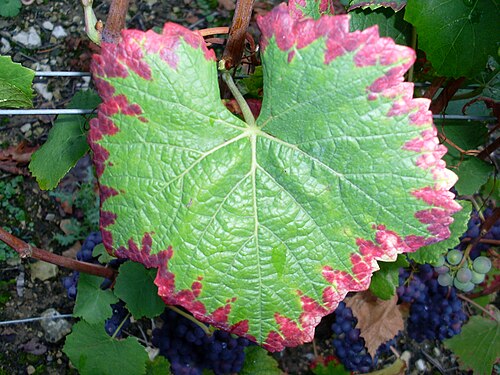
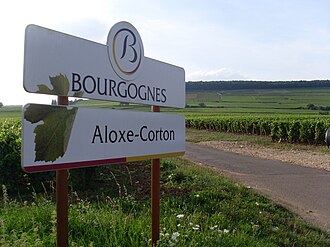
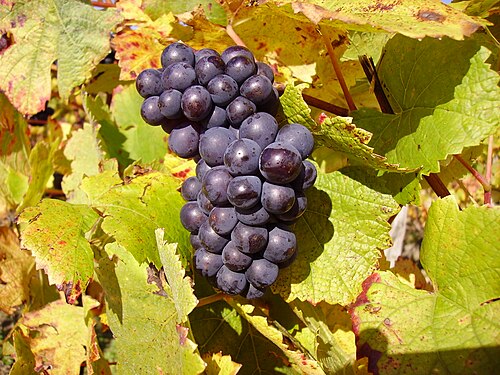
Pinot Noir is silk with a shadow: delicate, restless, and haunting, carrying red fruit, earth, and fragility into quiet, luminous depth.
Contents
Origin & history
A Burgundian original whose fragility became one of wine’s highest forms of prestige
Pinot Noir is one of the oldest and most historically consequential wine grapes in the world, and few varieties are more intimately bound to a place than Pinot Noir is to Burgundy. The grape’s story is inseparable from the slopes of the Côte d’Or, where generations of growers, monks, farmers, and vignerons gradually learned that a seemingly delicate vine could become one of the most exacting interpreters of site in viticulture. Burgundy did not merely cultivate Pinot Noir. It taught the world how to read it.
Read more →
Pinot Noir is genetically ancient and unstable in a fascinating way. It is closely linked to Pinot Gris, Pinot Blanc, and other members of the Pinot family through mutation, and it has played a major role in the parentage of many important European varieties. This helps explain why Pinot Noir so often feels foundational. It is not just a famous grape. It is a family line that reaches through the deep history of European wine.
Over time, Pinot Noir expanded far beyond Burgundy — into Champagne, Alsace, Germany, Switzerland, Austria, Oregon, California, New Zealand, Australia, and a number of cooler viticultural regions around the world. Yet unlike some globally planted grapes, it rarely becomes generic in doing so. Pinot Noir continues to reveal the places that host it, often with startling clarity. This is why its prestige widened rather than diminished with travel. Each serious new home became another dialect rather than a dilution.
Its classical status rests not on weight, color, or immediate richness, but on the extraordinary quality of nuance it can achieve. Pinot Noir became a world classic because it proved that delicacy, when grown in the right conditions, can be more profound than force.
Ampelography
A compact-clustered, thin-skinned vine built for nuance rather than bulk
Pinot Noir is visually and physically distinct in ways that mirror its wines. The bunches tend to be relatively small and compact, often conical, with berries that are usually small to medium and thin-skinned. Those thin skins help explain the grape’s comparatively pale color and its sensitivity to rot, sunburn, and handling. Pinot Noir is not built for ruggedness. It is built for exactness.
Read more →
This morphology creates both beauty and vulnerability. Pinot Noir can translate site with extraordinary finesse partly because it does not drown nuance in thick skins, excessive phenolics, or coarse extract. But that same fine structure means the grape is exposed. Compact bunches can trap moisture. Thin skins make it susceptible to disease and weather damage. The grace of the final wine begins in a physical form that offers very little margin for carelessness.
The vine also tends to mutate easily, contributing to Pinot’s famously unstable family line. This genetic restlessness helps explain the range of clones and massal selections associated with the variety, and why Pinot Noir can differ so meaningfully from site to site and from material to material. It is one of the reasons the grape is so compelling to growers and so challenging to simplify.
- Leaf: medium-sized, variable within the Pinot family
- Bunch: relatively small, compact, often conical
- Berry: small to medium, thin-skinned, delicate
- Impression: fine-built, vulnerable, precise rather than forceful
Viticulture
A difficult grape that rewards cool climates and uncompromising care
Pinot Noir is one of the most demanding varieties in viticulture. It performs best in cool to moderate climates where the growing season is long enough to preserve aromatic subtlety and acidity, but warm enough to bring the grape to complete and graceful ripeness. In hot conditions it can lose elegance and become jammy, diffuse, or heavy. In cold or difficult seasons it may remain sharp, green, or undernourished. Pinot Noir wants a narrow band of possibility, and it rarely tolerates compromise.
Read more →
Soil and exposure matter deeply. Limestone and marl have become especially associated with great Pinot Noir because of the way they can support balance, drainage, and tension, but the broader principle is restraint. Pinot Noir generally thrives where the vine must work, where water is not excessive, and where the site helps maintain detail rather than exaggeration. Too fertile a location can produce loose, anonymous wines. Too much vigor can quickly erase distinction.
Viticultural challenges are numerous: thin skins, compact bunches, disease pressure, frost risk, sensitivity to heat spikes, and the constant need to align ripeness with elegance. Pinot Noir is also clonal in an especially meaningful way. Different clones can alter bunch size, aromatic profile, texture, disease behavior, and yield, which means material choice is never trivial with this grape. The grower is always making interpretive decisions.
This is why Pinot Noir inspires both reverence and frustration. It is capable of extraordinary subtlety, but it offers very little forgiveness in exchange. When it succeeds, however, the result can be so complete that the difficulty seems not only justified but necessary.
Wine styles
From red cherry and rose to earth, spice, and fading autumn light
Pinot Noir’s classic aromatic world includes red cherry, wild strawberry, raspberry, rose petal, peony, spice, undergrowth, damp earth, orange peel, tea leaf, mushroom, and, with age, a haunting range of forest-floor and savory notes that can feel almost autumnal in emotional register. Yet as with all great grapes, Pinot Noir is not reducible to its aromas. What defines it is the way it moves: lifted, fine-boned, transparent, often silky, and capable of carrying remarkable complexity without apparent weight.
Read more →
In Burgundy, Pinot Noir reaches some of its most refined forms: wines where red fruit, spice, earth, and mineral line seem held in almost architectural balance. In Oregon it can show vivid red fruit, forest nuance, and a cool, lifted energy. In certain California sites it becomes broader and darker-fruited, though the best examples preserve freshness and aromatic detail. New Zealand often brings brightness and clarity; Germany and Switzerland offer still other registers of precision. Pinot Noir is one of the rare grapes that can sound convincingly local in many different accents while remaining unmistakably itself.
Winemaking matters intensely because Pinot Noir is so transparent. Whole-cluster inclusion can add spice, lift, and structural perfume. Oak can broaden texture and deepen spice, but too much new oak can bury the very detail the grape exists to show. Extraction decisions are crucial. Pinot Noir rarely benefits from being forced. It wants to be guided rather than conquered.
With age, the best Pinot Noirs become more haunting rather than larger. Fruit softens into dried petals, spice, tea, truffle, game, and leaf litter. The wine thins visually yet deepens emotionally. Great mature Pinot Noir often feels like a lesson in how little excess is needed for greatness.
Terroir
One of the clearest red-wine mirrors of soil, exposure, and season
Pinot Noir is among the great terroir grapes of the world. Small changes in slope, drainage, limestone content, wind exposure, harvest date, and temperature profile can alter the wine dramatically. This is one reason Burgundy became so obsessed with climats and lieux-dits: Pinot Noir gave growers enough information to justify such close territorial reading. The grape did not create the idea of terroir, but it helped make terroir visible.
Read more →
Some terroirs give Pinot Noir an almost floating grace: red fruit, flowers, fine spice, and a whispering length. Others give more earth, darker fruit, muscle, and savory gravity. Still others yield a leaner, more tensile expression where acidity and mineral tone become central. What changes is not just flavor, but the very posture of the wine. Pinot Noir may crouch, lift, sing, or brood according to site. Few red grapes show place with such bodily immediacy.
Vintage also matters intensely. Warm years may broaden the fruit profile and soften the edges. Cooler years can produce higher-toned, more finely etched wines with sharper aromatic lift. Because Pinot Noir is so transparent, it often records the season without much disguise. This can be risky, but it is also one of the reasons the grape matters so much to serious wine lovers. It turns wine into a document of climate as well as place.
Pinot Noir therefore deserves its reputation not simply as a fine grape, but as an interpretive instrument. It tells us what kind of site we are standing in — and often what kind of year the vine has lived through.
History
Tradition, obsession, and the modern widening of a Burgundian ideal
Pinot Noir’s modern history is, in large part, the history of wine culture learning how much subtlety is worth. Burgundy preserved the highest expression of that lesson, but the grape’s prestige widened as serious growers elsewhere proved that finesse was not a Burgundian monopoly, even if Burgundy remained the original grammar. Oregon, New Zealand, Germany, and select parts of California, Australia, and other cool regions showed that Pinot Noir could travel without losing its soul — provided the site and sensibility were right.
Read more →
There have also been recurring debates about style: stem use, extraction, whole-berry fermentation, new oak, ripeness levels, alcohol, and whether Pinot Noir should aim for transparency or pleasure first. These debates matter because Pinot Noir shows stylistic decisions so clearly. Yet the best modern wines often move beyond old oppositions. They seek perfume without greenness, ripeness without heaviness, texture without sweetness, and site-expression without austerity for its own sake.
Pinot Noir also benefited from the modern cultural desire for authenticity, transparency, and lighter-framed reds. Long before that became fashionable, the grape had already been living in that register. It did not need reinvention. It needed understanding. As drinkers became more open to red wines that were not defined by sheer power, Pinot Noir’s reputation only deepened.
That is why Pinot Noir now occupies a singular cultural position. It is both classical and contemporary, traditional and perpetually debated, intimate and exalted. Few grapes hold so much longing in them.
Pairing
A red for birds, mushrooms, earth, and the poetry of restraint
Pinot Noir is among the most graceful food wines in the red world because it offers fragrance, acidity, moderate tannin, and texture without excessive weight. It works especially beautifully with dishes that reward nuance rather than domination: roast chicken, duck, quail, pigeon, salmon, mushroom dishes, lentils, root vegetables, and preparations where butter, stock, and earthiness matter more than fire and brute char.
Read more →
Aromas and flavors: red cherry, wild strawberry, rose, spice, tea, earth, orange peel, mushroom, and with age often truffle and undergrowth. Structure: medium body, moderate tannin, lively acidity, and a texture that may feel silky, filigreed, or gently tensile depending on site and style.
Food pairings: roast chicken, duck breast, pigeon, rabbit, salmon, tuna, mushroom ragout, truffle dishes, lentils, and refined pork preparations. Pinot Noir often loves dishes where umami, stock, and earthy depth are present, but the overall weight remains controlled. Richer, oak-shaped versions can handle more sauce and structure; finer, cooler-climate wines pair best with dishes that let their fragrance stay visible.
The great secret of Pinot Noir at the table is that it does not usually seek control. It seeks sympathy. It wants to meet food where delicacy and depth already coexist. When that happens, the wine seems to glow rather than dominate.
Where it grows
A global red whose center still glows in Burgundy
Pinot Noir is grown across a remarkable range of cool and moderate wine regions, but Burgundy remains its defining homeland. Champagne relies on it as well, especially in blends and blanc de noirs. Germany, where Spätburgunder has reached striking refinement, is one of the grape’s most important modern homes. Oregon has established itself as a major reference outside Europe. New Zealand, parts of California, Australia, Switzerland, Austria, and other cooler regions also contribute serious and increasingly precise expressions.
Read more →
- France: Burgundy and Champagne above all
- Germany: Spätburgunder in increasingly serious and site-conscious forms
- United States: especially Oregon, plus selected California sites
- New Zealand: major cool-climate success
- Elsewhere: Australia, Switzerland, Austria, and additional cool to moderate regions worldwide
Its global spread tells an interesting story. Pinot Noir is hard enough to keep growers honest, but beautiful enough to keep drawing them in. That combination has made it one of the most aspirational red grapes in the world.
Why it matters
Why Pinot Noir matters on Ampelique
Pinot Noir matters on Ampelique because it shows, perhaps more clearly than any other red grape, why a grape library must do more than list flavors. Pinot Noir is a lesson in place, vulnerability, nuance, and scale. It proves that a wine can be pale, modest in body, and still infinitely more compelling than something larger and louder. It teaches that delicacy is not the opposite of seriousness. It may be one of its highest forms.
Read more →
It also stands at the center of some of the most important conversations in wine: terroir, clonal material, whole-cluster use, elegance versus power, and the relationship between place and style. Few grapes generate so much discussion because few grapes reveal so much so quickly. Pinot Noir turns every choice — site, season, clone, canopy, harvest date, extraction, wood — into something visible in the glass.
For Ampelique, Pinot Noir is therefore indispensable not only because it is famous, but because it is explanatory. It teaches readers how grapes behave when every margin matters. It clarifies why climate, soil, and handling are not abstract ideas but the very materials of character. And emotionally, it reminds us that some of the most memorable wines are not built to impress from across the room. They are built to be discovered slowly, at close range.
That is why Pinot Noir deserves its place among the world classics. Not because it is always the easiest grape to love, but because when it succeeds, it makes the very idea of greatness feel more exact, more fragile, and more human.
Quick facts
- Color: red
- Origin: Burgundy, France
- Family: ancient Pinot family; closely linked to Pinot Gris and Pinot Blanc through mutation
- Climate: cool to moderate, highly site-sensitive
- Soils: often excels on limestone and marl, though great examples emerge from multiple restrained soils
- Styles: fragrant, transparent, fine-boned, age-worthy, terroir-driven
- Signature: red fruit, rose, earth, silk, nuance
- Great challenge: translating fragility into greatness without losing precision
Closing note
A great Pinot Noir is never only delicate. It is delicacy made unforgettable — cherry and rose carried by earth, silence, and the fine-grained tension of a place that had to be just right.
Image credits
Leaf/detail image: Wikimedia Commons – http://www.kvins.com
Vineyard landscape image: Wikikedia Commons – Karen
Pinot Noir cluster image: Wikimedia Commons – Cjp24
A world classic, and one of red wine’s purest proofs that finesse can carry more depth than force.
 Ampelique
Leave a comment