Understanding the American: Wine Heritage, Native Grapes, Regions, and Viticultural Identity
A country where wine is shaped not only by climate and scale, but by the meeting of native vine heritage and imported grape traditions: The United States is one of the world’s most diverse vineyard landscapes, formed by Pacific fog, inland heat, mountain ranges, lake influence, humid eastern summers, and a long conversation between native American grapes, hybrid breeding, and European vinifera. From California and Oregon to New York, Virginia, Missouri, Texas, and beyond, the United States offers not one model of wine, but a broad and evolving map of places where grape identity is constantly negotiated between origin, adaptation, and site.
The United States does not tell one story of the vine. It tells several at once: of native roots, European arrivals, hybrid invention, and landscapes that keep asking grapes to adapt in new ways.
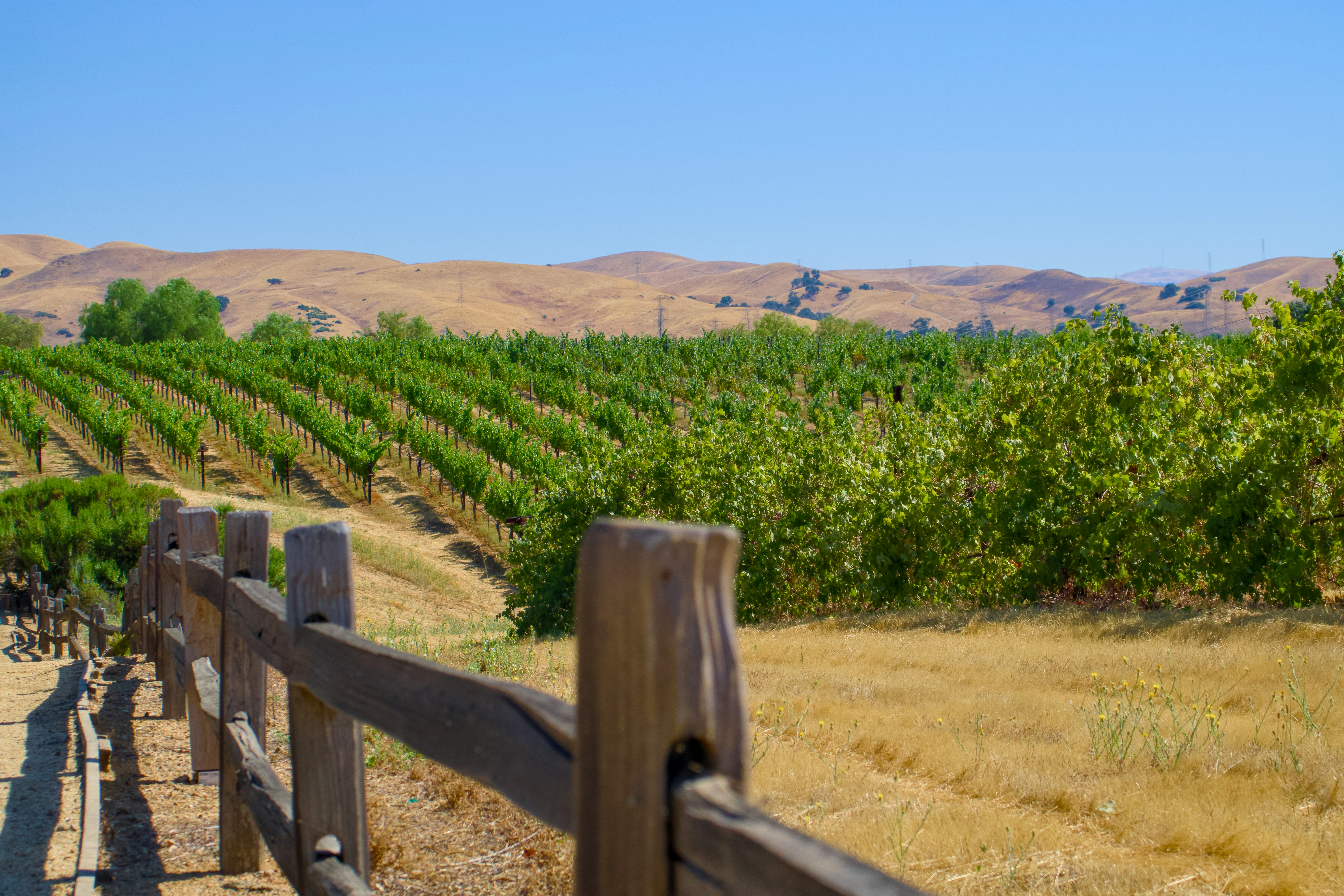
Overview
The United States remains one of the most dynamic wine countries in the world, but its importance lies in more than commercial scale or modern success. What makes the country so compelling is the way viticulture unfolds across radically different landscapes and through several distinct grape traditions at once. California does not think like New York. Oregon does not move like Texas. Missouri is not Washington, and Virginia is not the Finger Lakes. The United States is less a single wine nation than a collection of vineyard worlds, each with its own climate logic, vine history, and agricultural possibilities.
This internal diversity is one of the country’s defining strengths. Some regions are built around vinifera grapes such as Cabernet Sauvignon, Chardonnay, and Pinot Noir. Others preserve traditions linked to native American cultivars or to hybrids bred for winter hardiness, humidity tolerance, or disease resistance. In one part of the country, marine influence is central; in another, large lakes; in another, altitude, desert heat, or summer rainfall pressure. The American vineyard is therefore not simply large. It is layered. It holds imported tradition, native inheritance, and regional reinvention in the same national frame.
For Ampelique, the United States matters because it helps explain the difference between a grape’s place of origin and the places where it later finds success. It is one of the clearest countries in the world for studying that distinction.
Climate & Geography
The vineyard geography of the United States is extraordinarily varied. Pacific influence shapes much of the West Coast, bringing marine fog, cooling breezes, and strong day-night temperature shifts. Continental conditions define parts of the interior and northeast, where winter cold and shorter seasons can shape which grapes are viable. Elevated inland plateaus add the complexity of altitude, while humid eastern and southern regions create very different pressures around rot, disease, and vine choice. The result is not a smooth climatic gradient but a wide patchwork of viticultural possibilities.
Waterways matter profoundly here. Coastal corridors, major rivers, and large lakes have all helped shape vineyard development and regional identity. So too do soils. Volcanic formations, marine sediments, alluvial fans, limestone, granite, gravel, clay, and sand all play a role in determining which grapes thrive and how they speak. In some places this means freshness and aromatic precision; in others, broad texture, ripeness, dark fruit, or sun-shaped generosity.
The United States is therefore best understood through its vineyard landscapes rather than through one national climate label. Fog-cooled coastal California does different work from the Columbia Valley. The Finger Lakes do not behave like Texas Hill Country, and Virginia does not produce the same viticultural logic as Oregon. Each zone asks something different of the vine, and this is part of what gives American wine its ongoing vitality.
Grape Heritage
The grape heritage of the United States is more complex than that of many classic wine countries because it includes three overlapping layers. The first is the country’s native American vine background, including species such as Vitis labrusca, Vitis riparia, and Vitis aestivalis, which are part of the deeper botanical history of the continent. The second is the long development of American cultivars and hybrids, shaped by local climate pressure and agricultural need. The third is the later rise of European Vitis vinifera, which now dominates much of the fine wine industry.
This layered background is one of the reasons the United States matters so much to a grape-focused project. It is not only a country of well-known modern varietal wines. It is also a country of native grape memory, breeding history, hybrid experimentation, and multiple ways of defining what counts as a wine grape in the first place.
That archive includes both grapes that genuinely originate in the United States and grapes that became important there much later. Keeping those two categories distinct is essential if we want to stay faithful to grape origin rather than simply to current wine fashion.
Important Regions
- California – the dominant force in American wine, with enormous internal diversity ranging from Napa and Sonoma to the Central Coast and Sierra Foothills.
- Oregon – especially important for Pinot Noir, Chardonnay, and cooler-climate site expression, above all in the Willamette Valley.
- Washington – a major western wine state defined by dry summers, irrigation, and a strong culture of structured reds and vivid whites.
- New York – historically important and climatically distinctive, with major wine cultures in the Finger Lakes, Long Island, and Hudson Valley.
- Missouri – central to the country’s deeper native and hybrid grape history, and especially important in relation to Norton and older American wine traditions.
Many other regions are equally important to the full picture: Virginia for East Coast ambition and continuity, Texas for warm-climate experimentation, Michigan for lake-moderated viticulture, and numerous AVA-defined regions across the country that keep expanding the map. But these five offer a strong first view of the United States as a country of multiple vineyard identities rather than one national style.
Wine Styles
The United States produces nearly every major wine style: taut cool-climate whites, rich barrel-aged whites, structured Cabernet-based reds, perfumed Pinot Noirs, Zinfandel in multiple registers, sparkling wines, rosés, sweet wines, and many regional styles that sit outside simplified export categories. The point is not abundance alone, but adaptability. American wine styles often feel closely tied to the enormous range of landscapes in which they are made.
Napa can be architectural, concentrated, and Cabernet-driven. Sonoma can be broader and more varied in tone. Oregon may be finer-boned, cooler, and more site-specific through Pinot Noir and Chardonnay. Washington often combines dryness, lift, and structure. The Finger Lakes can offer keen acidity and aromatic clarity, while parts of the Midwest and East maintain other stylistic traditions through native or hybrid grapes. The country does not impose one taste; it allows many local answers to emerge.
This diversity is one of the reasons the United States remains such a powerful educational landscape. It shows how style can arise from grape, site, climate, altitude, winter pressure, humidity, and human choice in different proportions. It is not simply a catalogue of successful wines. It is a study in how viticulture adapts itself across an immense and varied territory.
Grapes originating in the United States
- Concord – one of the most iconic American grapes, historically important in juice, jelly, and American grape culture, and closely tied to labrusca character.
- Catawba – one of the key grapes of early American winemaking and highly significant in the 19th-century history of U.S. sparkling and table wine.
- Norton – one of the most important grapes of American origin for serious red wine production, especially associated with Missouri and eastern viticulture.
- Niagara – a historically important American white grape with strong roots in northeastern production and native-derived vine culture.
- Delaware – a historically important American cultivar with long-standing significance in eastern viticulture.
These grapes matter because they belong to the American story not simply as cultivated varieties, but as expressions of local adaptation, native vine inheritance, and early U.S. wine history. They are essential if we want to understand the country through grape origin rather than through modern prestige alone.
Grapes widely grown in the United States today
If we shift from grape origin to present-day vineyard reality, the picture changes. Much of the modern U.S. fine wine industry is built on European vinifera grapes. These do not originate in the United States, but they are central to the country’s current wine identity.
- Cabernet Sauvignon – one of the defining red grapes of the modern United States, especially associated with California and Washington.
- Chardonnay – a major white grape across multiple states, capable of styles ranging from taut and mineral to broad and barrel-shaped.
- Pinot Noir – especially central to Oregon and important in cooler parts of California and elsewhere.
- Zinfandel – not American in origin, but historically important within U.S. vineyard culture, especially in California.
- Riesling – a key white in cooler American regions, especially significant in places such as the Finger Lakes and parts of the Pacific Northwest.
- Syrah – an important grape in several western regions, often used to explore spice, structure, and warm-climate depth.
This distinction matters. These grapes help define the United States as a modern wine-producing country, but they should not be confused with grapes that genuinely originate there.
Why the United States matters on Ampelique
The United States matters because it is one of the clearest places to study how vines become a language of adaptation. Here, the grape is often inseparable from coast, altitude, irrigation, winter cold, humidity, native species, hybrid logic, and regional reinvention. It is one of the countries where origin and present-day importance do not always align, and where that very tension becomes educationally valuable.
For Ampelique, the United States is not just a source of famous labels or internationally successful varietal wines. It is a country that helps explain how wine can become a map of relationships: between native roots and imported tradition, between grape origin and vineyard success, between local necessity and global ambition. It is one of the places where the vine has been asked to adapt so repeatedly that the resulting vineyard culture feels at once practical, inventive, and historically layered.
Where to start exploring
If you want to begin exploring the United States, start with contrast. Read California beside New York, Oregon beside Missouri, vinifera strongholds beside regions shaped by native grapes or hybrids. Compare marine cooling with continental winters, irrigation-driven viticulture with humid rainfall pressure, Napa power with Finger Lakes clarity, or Norton beside Cabernet Sauvignon. The United States becomes clearer when you see it as a set of regional and botanical logics rather than as one national model.
You can also begin through the distinction that matters most for Ampelique: what originates here, and what merely thrives here now. In the United States, that difference is not a side note. It is the key to understanding the country’s vineyard identity.
Quick facts for grape geeks
| Field | Details |
|---|---|
| Country | United States |
| Continent | North America |
| Main climate influences | Pacific, continental, mountain, lake-moderated, humid eastern, and altitude-driven influences |
| Key vineyard landscapes | Coastal valleys, inland basins, mountain slopes, river corridors, volcanic zones, lake regions, desert plateaus, and humid eastern hills |
| Known for | AVA-based regional diversity, California dominance, Pinot Noir and Chardonnay in cooler zones, Cabernet Sauvignon, native grape heritage, and hybrid experimentation |
| Important grape colors | Both white and red, with major regional specialization in each |
| Grapes originating here | Concord, Catawba, Norton, Niagara, Delaware, and other native-derived or historically American cultivars |
| Major grapes grown here today | Cabernet Sauvignon, Chardonnay, Pinot Noir, Zinfandel, Riesling, Syrah, and many other vinifera grapes |
| Best starting point | Begin by comparing native-rooted grapes and modern vinifera regions side by side |
 Ampelique